
Last updated November 2, 2026
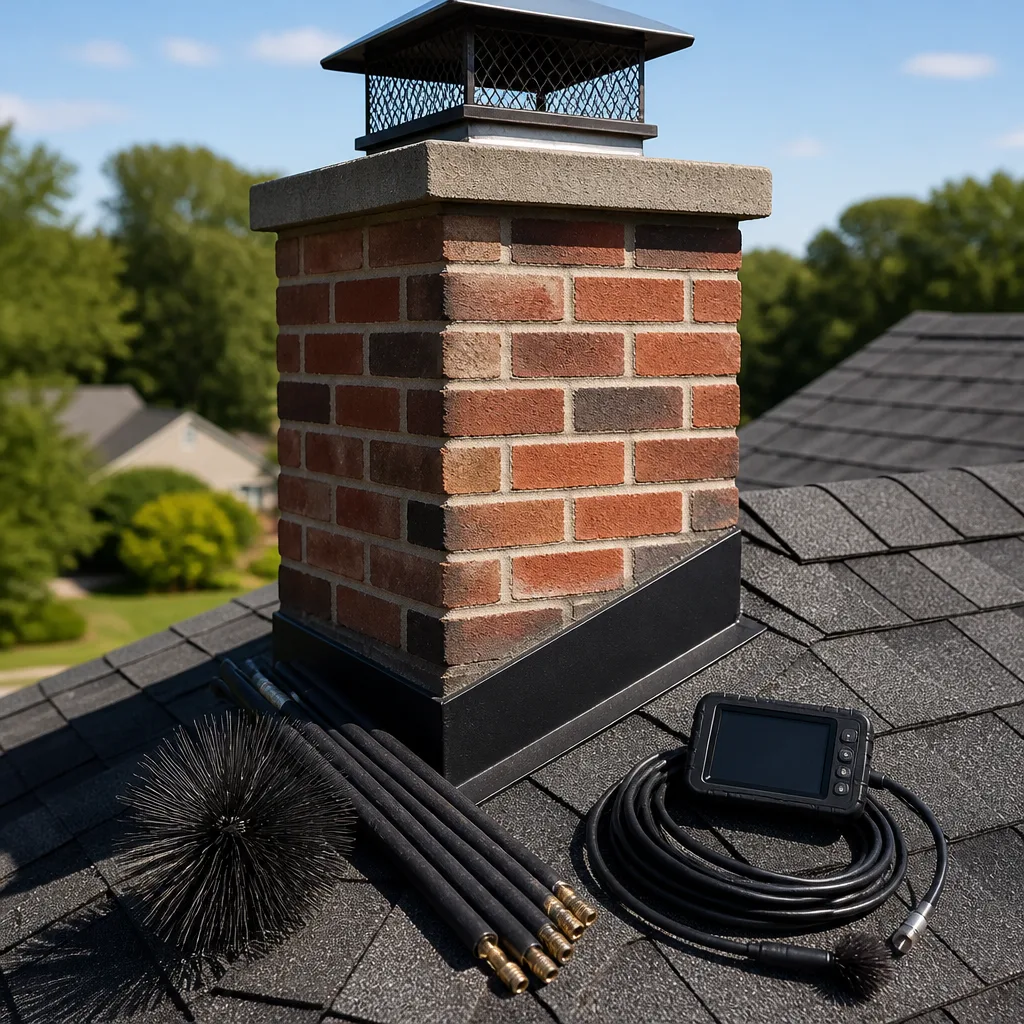 Sweep & inspection
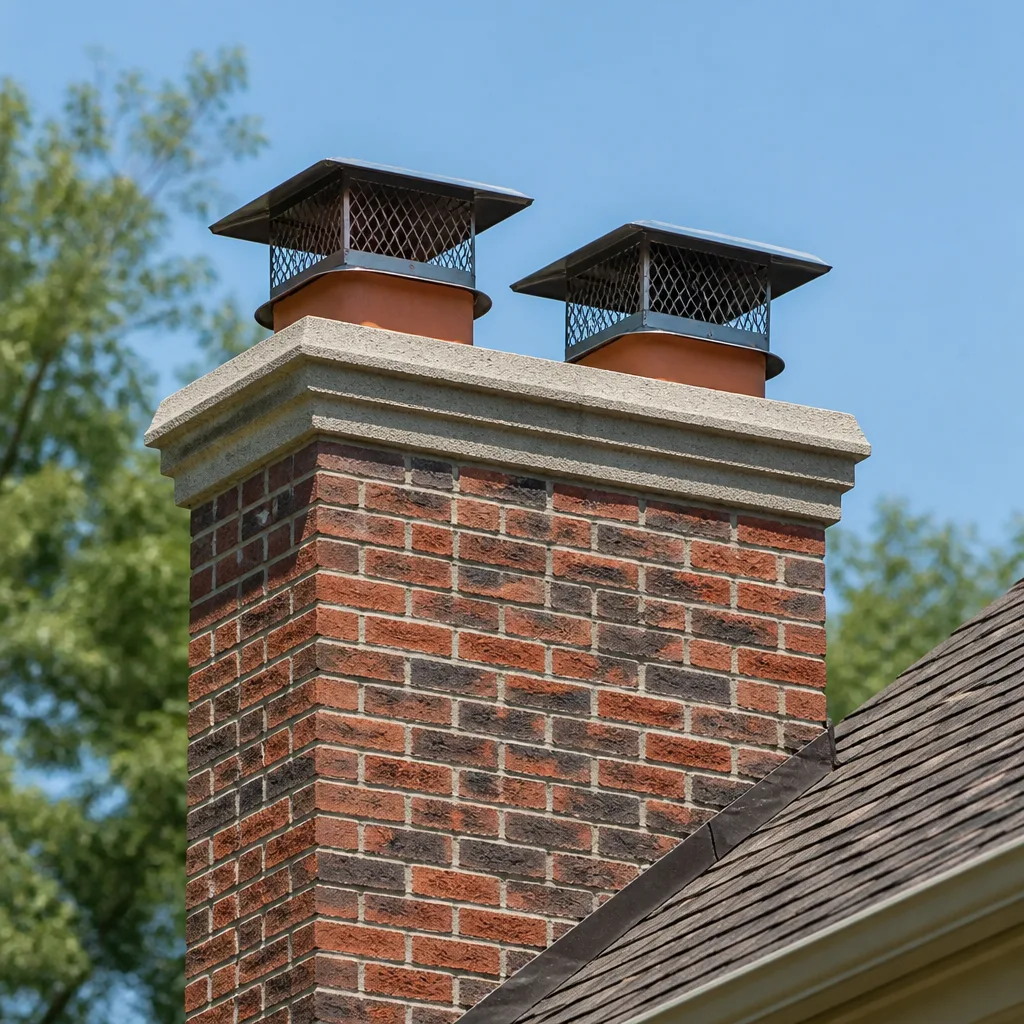 Caps & crowns
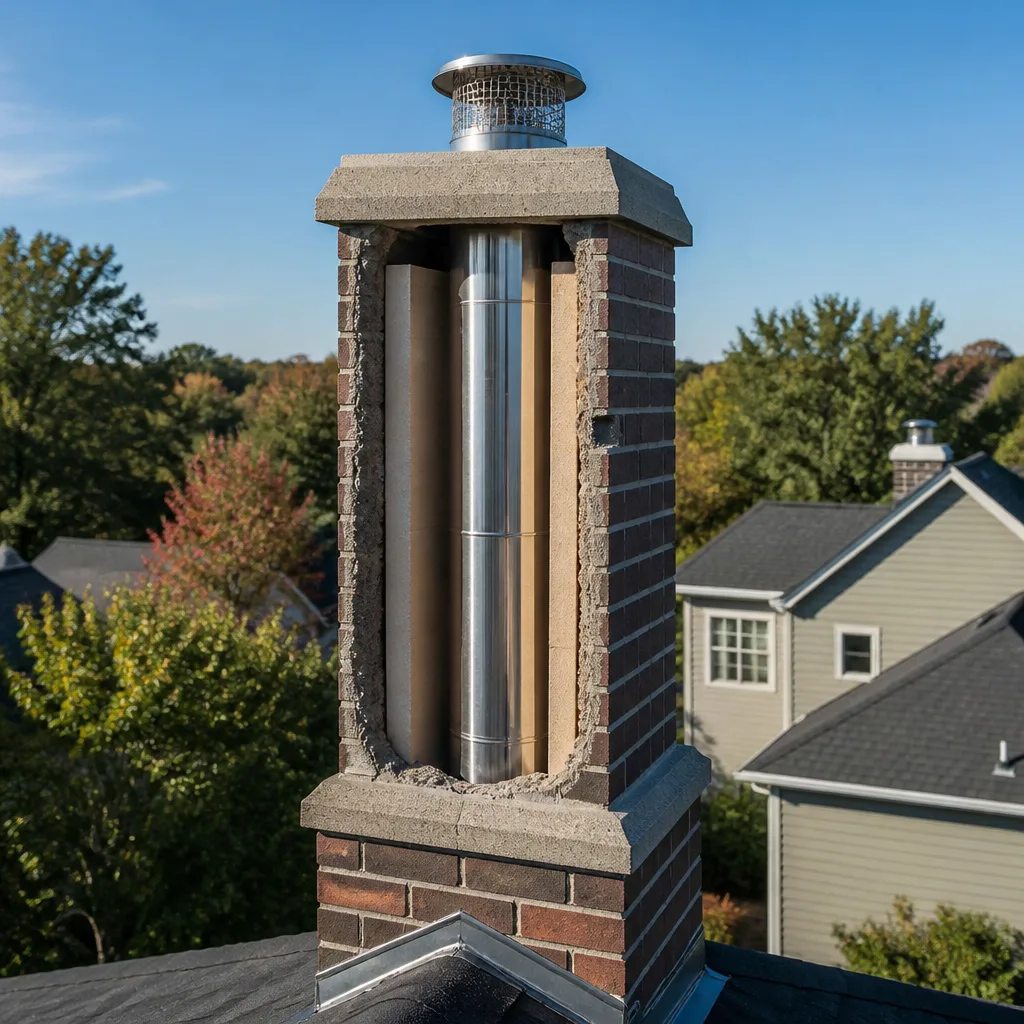 Flue relining
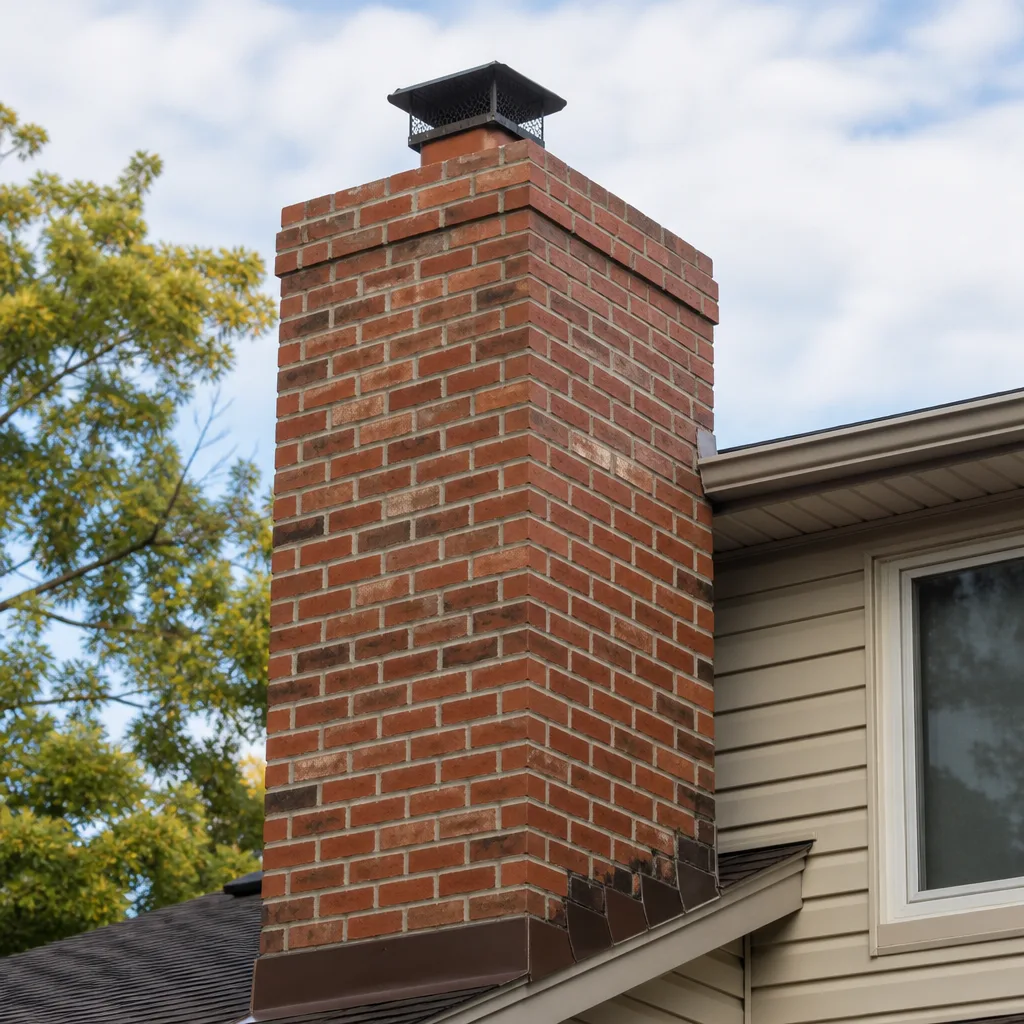 Masonry repair
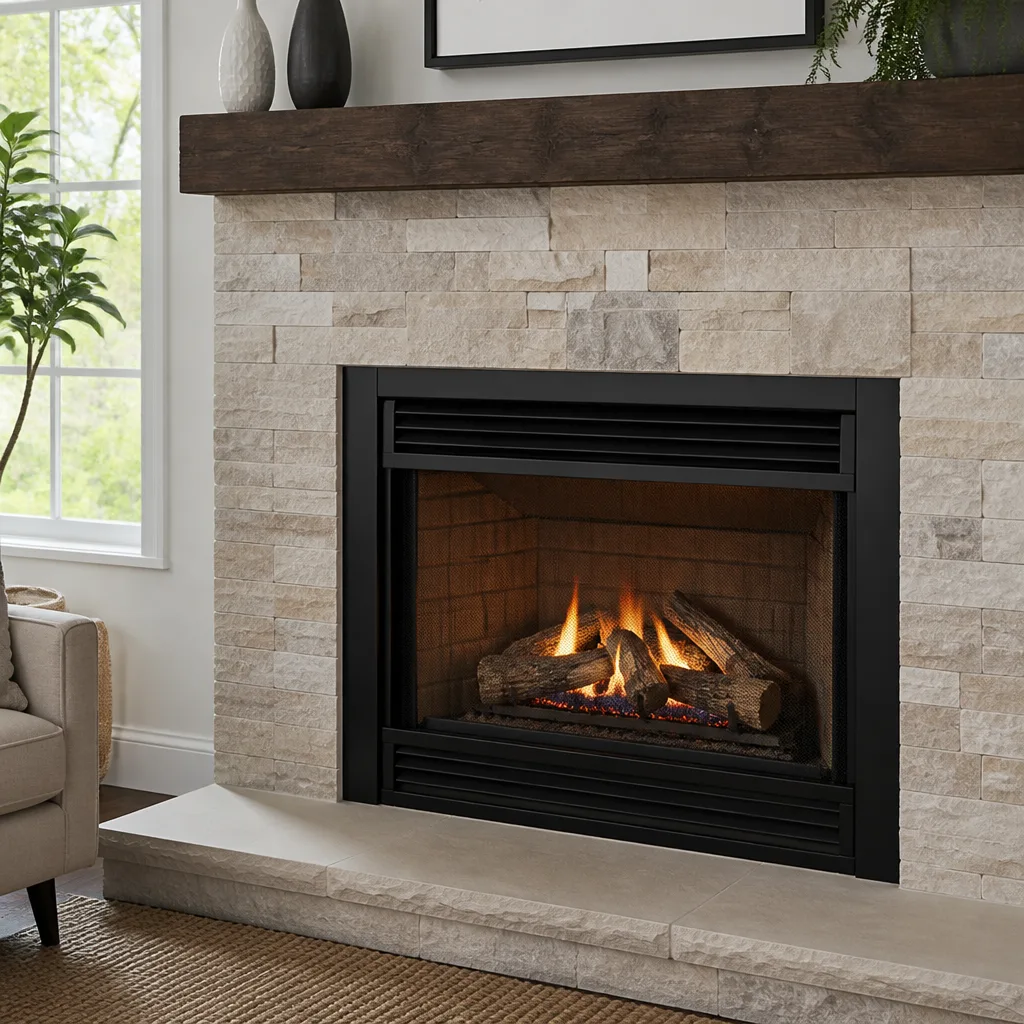 Gas fireplace service
Level 1 sweep and inspection to the NFPA 211 annual standard - flue, crown, cap, and flashing checked and photographed
Chimney sweep logs do not sweep chimneys. They loosen some creosote - which then falls where a brush and vacuum still have to collect it.
Chimney Cleaning Warning Signs: A Winnetka Homeowner’s Reference Guide
A fireplace that “draws great” can still have a serious creosote problem hiding in the flue. Draft efficiency and flue safety are two completely different measurements, yet most Winnetka homeowners treat them as the same thing. This guide – along with our Chimney Sweep Troubleshooting: Common Problems and How to Fix Them – cuts through the common myths and focuses on the subtle, early-stage warning signs that trained chimney technicians catch long before they become fire hazards or carbon monoxide risks. We’ll walk through what to look for, what each sign actually means, and when a fireplace is safe to keep using versus when it needs to be shut down today.
Quick Answer
The earliest chimney warning signs are rarely dramatic. Watch for slow smoke startup, a campfire smell that lingers for days after the last burn, black flaky deposits you can scrape off with a fingernail, and white staining on exterior brick. None of these mean immediate danger on their own, but together they indicate creosote accumulation or moisture intrusion that should be inspected by a chimney professional in Winnetka before the next burning season.
Styles & brands we work with
- Sweep & inspection
- Caps & crowns
- Flue relining
- Masonry repair
- Gas fireplace service
Table of Contents
- The Three Degrees of Creosote: What Each One Means
- Structural Warning Signs You Can See From Outside
- What Your Chimney Smell Is Actually Telling You
- Smoke Behavior: Obstruction vs. Downdraft vs. Combustion Problems
- Schedule Soon vs. Stop Using Today: Clear Thresholds
- Winnetka-Specific Timing: When to Schedule Your Sweep
- What a Professional Chimney Inspection Actually Covers
- Common Mistakes to Avoid
- When to Call a Professional
- Frequently Asked Questions
The Three Degrees of Creosote: What Each One Means
Creosote is the residue left behind when wood smoke cools and condenses inside your flue. It’s not a single substance, and treating all creosote as the same problem is where most homeowner advice goes wrong. In our experience servicing fireplaces across Winnetka, understanding which degree of creosote you’re dealing with changes everything about the fix, the cost, and the urgency.
First-degree creosote is the earliest stage and the only one that a standard chimney sweep can fully remove with brushes. It looks like fine, dusty soot, similar to what you’d find inside a barbecue smoker. If you run a finger along the flue wall (use a glove, don’t actually do this mid-fire) and come away with a light dusting, that’s first-degree. This is what forms during efficient, hot burns with seasoned wood. A routine Chimney Sweep in Winnetka visit handles this easily.
Second-degree creosote is where the risk starts climbing. It appears as shiny, flaky, black scales that look like burned sugar or crushed charcoal. You can chip it with a tool, but it won’t brush off. Second-degree creosote forms during cooler, lazier burns, often when homeowners damp down the fire overnight to keep the house warm. At this stage, brushing alone won’t get the flue clean. A professional will typically need rotary cleaning tools with specialized chains or chemical treatments to break it down. Most Winnetka fireplaces we inspect have at least patches of second-degree creosote by mid-season.
Third-degree creosote is the hazardous one. It looks like a thick, tar-like glaze, sometimes bubbled or dripping, similar in appearance to road asphalt. It’s highly concentrated fuel. Third-degree creosote ignites at lower temperatures and burns extremely hot, which is what turns a routine chimney fire into a structure fire. This stage almost always requires professional intervention, often involving chemical removal products or, in severe cases, liner replacement. If you see or smell burning tar even when there’s no active fire, stop using the fireplace immediately and call a professional.
For Winnetka homeowners, the climate works against you in one specific way: our coastal temperature swings mean fires get built small and fast to take the chill off, rather than hot and long. That pattern favors second-degree creosote formation. If you’re burning mostly evening fires between November and March, you’re at higher risk than someone running fires all day in a colder climate.
Structural Warning Signs You Can See From Outside
Most chimney problems announce themselves indoors first, but some of the clearest indicators are visible from your driveway or backyard. These are the signs that get caught during home inspections, and they’re worth checking yourself once a season. Winnetka’s wet winters make exterior chimney inspection particularly important, since water is the single most destructive force for masonry and liner systems.
Spalling brick is what happens when water penetrates the brick face, then expands and contracts with temperature changes. You’ll see chunks of brick face flaking off, reddish dust collecting at the chimney base, or brick surfaces that look pitted and rough. Left alone, spalling progresses inward. The outer brick loses structural integrity, and eventually water reaches the flue liner itself. In Winnetka, where winter rain is consistent, spalling typically accelerates between January and March.
White staining, or efflorescence, looks like chalky white or gray streaks running down the chimney face. It’s a mineral deposit, and it’s telling you water is moving through your masonry. Efflorescence itself isn’t structural damage, but it’s a reliable early indicator that your chimney is absorbing water faster than it’s drying out. Catching it early means you can address the moisture source before it causes expensive liner or firebox damage.
Crown cracking is the most commonly missed exterior problem. The crown is the concrete slab that caps the top of the chimney, and its entire job is to shed water away from the flue. Hairline cracks in the crown let water seep down the flue wall, and in a Winnetka winter, freeze-thaw cycles turn hairline cracks into wide channels within a couple of seasons. If you can safely see the top of your chimney from a ladder or upper window, look for any crack pattern in the concrete. Small cracks are repairable with crown sealant. Large or deep cracks may require crown reconstruction.
We stock professional-grade crown repair materials from Gelco and Olympia Chimney, not the caulk tubes from the big-box stores. The difference matters: consumer-grade sealants break down under flue-gas temperatures and UV exposure within a season or two, while trade-grade products are formulated specifically for chimney crown application.
What Your Chimney Smell Is Actually Telling You
Chimney odors are diagnostic tools if you know what you’re smelling. Different smells point to different problems, and the fixes vary significantly in cost and urgency. Here are the three most common odor signatures we hear about from Winnetka homeowners, and what each one actually means.
A sulfur or “rotten egg” smell almost always indicates a venting problem with a gas appliance rather than a wood-burning issue. Natural gas is odorless, but utility companies add mercaptan, which carries that distinctive sulfur smell. If you notice this odor around your fireplace or chimney, especially when the fire is off, you may have incomplete combustion or a blocked vent. This is not something to troubleshoot on your own. Call a professional to inspect the venting, and if the smell is strong, contact your gas utility as well.
A musty or damp smell, particularly noticeable during humid months or after rain, points to water intrusion. The source could be a cracked crown, damaged flashing where the chimney meets the roofline, or a missing chimney cap allowing rain down the flue. Musty chimney odor in Winnetka often shows up in late summer and fall, when our marine layer keeps things damp and whatever moisture got in during the winter hasn’t fully dried. Fixing this starts with identifying the water entry point, then repairing the specific component that failed.
A burning-tar or campfire smell that won’t go away is the most common complaint we field, and it’s the third-degree creosote signature. Even when the fireplace is cold, accumulated creosote off-gasses into the room, especially on humid days or when HVAC systems create negative pressure. This smell usually means the flue needs professional attention, and it’s a signal that you’re carrying high creosote loading. In Winnetka homes with newer, tighter windows and doors, this problem has gotten worse because natural air exchange is lower, which concentrates the odor indoors.
Smoke Behavior: Obstruction vs. Downdraft vs. Combustion Problems
Not all smoke problems have the same fix. Watching how smoke behaves when you light a fire tells you a lot about what’s actually wrong, and misdiagnosing this can send you down the wrong repair path.
Obstruction shows up as slow smoke startup that gets worse as the fire builds. You’ll see smoke pooling at the top of the firebox, reluctant to go up the flue, sometimes spilling into the room in small puffs when you add a log. The most common causes are third-degree creosote narrowing the flue, a fallen nest from birds or squirrels, or accumulated debris from a missing chimney cap. In Winnetka, we see a lot of nesting activity from house sparrows and starlings in uncapped chimneys during spring. The fix is removal of the obstruction, which a professional sweep handles as a matter of routine.
Downdraft is different: the chimney pulls fine once the fire is hot, but when it’s cold, air flows down the flue into the room, sometimes carrying smoke smell with it. Downdraft is often architectural, related to chimney height, nearby rooflines, or surrounding trees. It’s also common in Winnetka homes built before the 1980s, where chimneys were sometimes constructed shorter than current code recommends. A professional can often solve persistent downdraft with a properly sized chimney cap designed to stabilize draw, and we source termination products from Famco and Copperfield for exactly this purpose.
Combustion problems (or “smokeless smoldering”) are more subtle. The fire burns, but slowly and lazily, with weak flame and more smoke than heat. This typically means you’re burning unseasoned wood, or the firebox is getting inadequate combustion air. In a modern Winnetka home with good sealing and no dedicated combustion air source, the fireplace can starve for oxygen. The symptom is smoke lingering at the top of the firebox, not being pulled up the flue. If this is happening, the fix may involve changing your fuel or cutting air, not sweeping the chimney. A good inspection rules out the cheap, simple causes before anyone recommends expensive repairs.
Schedule Soon vs. Stop Using Today: Clear Thresholds
One of the most frustrating things we see is homeowners either panicking over nothing or ignoring a smoking gun (sometimes literally). Here are the thresholds we use when advising Winnetka clients on urgency.
Schedule soon means you should book a sweep in the next few weeks, but you’re not in immediate danger. These are the conditions that warrant action without alarm:
- First-degree creosote buildup you can see as a light soot layer
- A faint campfire smell on humid days, with no active fire
- Visible but minor crown cracking with no known water intrusion
- Occasional downdraft puffs when the fireplace is cold but good draw when warm
- Light efflorescence staining on exterior brick
- Sparks or small debris falling into the firebox from above (cap may be missing)
Stop using the fireplace today is the category we reserve for conditions that present a genuine fire or carbon monoxide risk. Shut the system down and call a professional before burning again:
- Third-degree creosote visible as tar-like glaze, or a burning-tar smell that persists when the fireplace is cold
- Any evidence of a prior chimney fire: cracked flue tiles, warped damper, smoke staining at the roofline
- Sulfur or rotten-egg odor from the fireplace area when using a gas appliance
- Visible smoke entering the room during normal operation, not just brief startup puffs
- Spalling brick that has visibly deteriorated within a single season
- Water actively dripping into the firebox during or after rain
This isn’t about scare tactics. It’s about respecting what a chimney actually is: a fire-containment system. When the containment system is compromised, the fire you light inside it is no longer fully controlled.
Winnetka-Specific Timing: When to Schedule Your Sweep
Winnetka’s burning season is shorter than in colder climates, but it’s still consistent. We see most wood-burning activity from late October through mid-March, with peak use around the holidays. That concentrated usage window means timing your maintenance is straightforward – our Chimney Sweep Maintenance Checklist for Winnetka Homeowners breaks this down in detail.
The best window to have your chimney cleaned in Winnetka is September or early October, before the first sustained cold snap. Spring and summer sweeps are perfectly fine, and often easier to schedule, but they leave several months during which new problems can develop. Birds build nests in the spring. Autumn winds deposit debris. If you sweep in April and fire up in November, you’re burning a chimney that hasn’t been checked in eight months.
If you’re burning regularly through the season, we recommend a mid-season check, usually in January, if you notice any of the warning signs described above. This is especially true in Winnetka because our damp coastal winter air cycles between wet and dry, which stresses masonry and can create new cracks in a single season.
One more consideration specific to our region: rainy-season fire safety. Winnetka gets its heaviest rain between December and February. A chimney with even minor crown or flashing damage during that window is letting water into your flue and firebox. If you notice any dripping or water staining between December and March, don’t wait for spring to have it checked. Water in the firebox during burning season can create steam that accelerates creosote formation and can crack ceramic glass doors on inserts.
If your fireplace hasn’t been inspected in the past two years, the Chimney Sweep Winnetka home guide walks through what a first inspection with us looks like, including camera documentation of the flue interior.
What a Professional Chimney Inspection Actually Covers
When you schedule a professional chimney cleaning in Winnetka, you should expect more than a brush up the flue. A proper inspection is systematic, and knowing what’s included helps you evaluate whether you’re getting real value or a glorified sweeping.
Step 1: Exterior assessment. The technician should walk around the chimney and look at the crown, cap, flashing, and masonry from ground level. If safe roof access is available, they’ll inspect those components up close. This catches spalling, efflorescence, and crown cracking before they become interior problems.
Step 2: Firebox and damper check. Inside, the firebox walls, hearth, and damper mechanism get examined. A damper that doesn’t seal properly is a common source of downdraft and odor complaints, and it’s often a simple fix. Cracked firebox panels indicate heat stress and may need to be addressed to maintain safe clearances.
Step 3: Flue inspection with camera. This is the step that separates a real inspection from a basic sweep. A camera run up the flue shows the actual condition of the liner, the creosote degree, any cracks or gaps in clay tiles, and any obstructions. You should be able to see the footage yourself. We believe nothing gets recommended without camera evidence the homeowner can see with their own eyes. If a company recommends a liner replacement but won’t show you the camera footage, get a second opinion.
Step 4: Creosote classification and removal plan. Based on what the camera shows, the technician classifies your creosote and chooses the appropriate removal method. First-degree gets standard brushing. Second-degree may need rotary tools or chemical treatment. Third-degree often requires multiple approaches and may reveal liner damage that needs to be addressed through a service like Chimney Repair in Winnetka, which can include HeatShield resurfacing or DuraFlex relining for chimneys with compromised liners.
Step 5: Report and recommendations. You should get a written or verbal summary of findings, with photos or camera stills where relevant. The report should be specific: what was found, what was done, and what, if anything, is recommended for the future. If the recommendation includes expensive repair work, a good company will tell you when it can safely wait and when it can’t.
We work exclusively with trade-grade chimney products from HeatShield, Gelco, Olympia Chimney, and Famco – brands we cover in our guide to Choosing the Right Chimney Cleaning Brand: A Buyer’s Guide for Winnetka – which means the materials used in any repair or replacement are the same ones professional chimney technicians across the country standardize on. This isn’t about brand prestige; it’s about using products engineered for the specific thermal and chemical conditions inside a chimney flue.
Common Mistakes to Avoid
Here are the specific mistakes we see Winnetka homeowners make, and each one has a real cost attached.
- Using a “chimney cleaning log” as a substitute for sweeping. These products break down some creosote chemically, but they don’t remove it. What’s worse, they can make the remaining material sticky and harder to remove properly. A cleaning log is not a sweep, no matter what the box says.
- Burning green or unseasoned wood to save money. Wood that hasn’t been split and stacked for at least six to twelve months produces radically more creosote. You might save $50 on a cord, but you’ll spend more than that on extra cleaning, and you’re increasing your fire risk in the meantime.
- Ignoring a lingering campfire smell because “the fireplace draws fine.” This is the mistake we want to eliminate entirely. Draft performance and creosote accumulation are separate issues. A flue narrowed by creosote can still pull air perfectly well while being dangerously overloaded.
- Building small, damped-down fires to extend burn time. Winnetka’s mild climate means you don’t need an overnight fire very often. Smoldering, low-oxygen burns are the single fastest way to build second-degree creosote. Burn hot, burn clean, and use your central heat for overnight warmth.
- Delaying a crown repair because “it’s just a small crack.” Crown cracks are like windshields: they don’t self-heal, and they inevitably spread. A small crack sealed this year is a $150 fix. The same crack after two Winnetka winters might require crown rebuilding and liner repair.
- Forgetting about the dryer vent. Most homes in Winnetka have the dryer exhausting somewhere near the fireplace or on the same wall. Lint accumulation is one of the top causes of residential fires, and a clogged dryer vent will trip thermal fuses, extend dry times, and overheat. If you’re having your chimney swept, Dryer Vent Cleaning in Winnetka can be scheduled in the same visit.
- Skipping inspection because you’re selling or buying. Homebuyers in Winnetka are increasingly requesting chimney inspections during escrow. If you’re selling, an unexamined chimney can surface problems at the worst possible moment. If you’re buying, know what’s in that fireplace before you close.
When to Call a Professional
If any of the warning signs in this guide sound familiar, the next step is a professional inspection. Specifically, call a chimney professional when: you notice any of the three creosote types described above, your chimney has developed a smell that wasn’t there before, smoke is behaving differently than it did last season, or you can see exterior masonry damage from the ground. These are not conditions that improve with time. Each burning season with an unresolved issue makes the eventual fix more expensive and more invasive. For more guides & resources on keeping your chimney safe, explore our blog. Chimney Sweep Winnetka offers free estimates for homeowners in Winnetka. Call (877) 939-1446 to schedule an inspection, and we’ll walk you through exactly what we find, with camera evidence you can see yourself.
Frequently Asked Questions
Run a gloved finger along the inside of the flue where accessible. If you get a light dusting, you’re at first-degree creosote. If you see shiny black flakes or a tar-like glaze, you’re at second or third degree and need professional cleaning. Also watch for slow smoke startup, persistent campfire smells, and visible soot falling into the firebox.
The standard recommendation from the National Fire Protection Association is an annual inspection, with cleaning performed whenever creosote reaches 1/8 inch of accumulation. For most Winnetka homes with regular wood-burning use, that means an annual sweep. Homes used occasionally with gas inserts may be able to go longer between cleanings, but an annual visual inspection should still be standard.
A chimney fire often sounds like a low rumble or roar, similar to a freight train or a jet engine at a distance. You may also hear loud cracking or popping from the flue. If you suspect a chimney fire, evacuate everyone from the home and call 911. After the fire is out and the flue has cooled, a professional inspection is mandatory before the fireplace is used again.
First-degree creosote can be brushed by a homeowner with the right tools and safety precautions, including roof access equipment and proper PPE for soot exposure. Second and third-degree creosote cannot be safely or completely removed with consumer-grade brushes and require professional rotary tools or chemical treatments. If you’re unsure what degree of creosote you have, a professional inspection is the safe starting point.
A campfire smell alone indicates creosote accumulation but is not an immediate fire risk. A sulfur or rotten-egg smell with a gas appliance is a venting or combustion alarm and should be addressed immediately. A burning-tar smell even when the fireplace is cold points to heavy creosote loading that warrants shutting the system down until inspected.
Inspection costs vary based on the level of inspection needed and the condition of the chimney, but most standard Level 1 inspections in the Winnetka area run between $125 and $350. If a camera inspection is required or repairs are identified, the cost will be higher. Call (877) 939-1446 for a free estimate and we’ll give you a straight number before any work begins.
The Bottom Line
A chimney is a fire-safety system, and like any safety system, it gives you warning signs before it fails. The earliest indicators, slow smoke, lingering odors, flaky deposits, white brick staining, are easy to miss and easy to dismiss. But caught early, they’re inexpensive to address. Caught late, they turn into liner replacements, masonry repairs, or worse. In Winnetka’s coastal climate, the wet winters and short burns conspire against lazy chimney maintenance. Get your system inspected before burning season, pay attention when it’s telling you something, and don’t let a “great drawing” fireplace convince you everything’s fine.
Written by the team at Chimney Sweep Winnetka, serving Winnetka since 2014.
See the difference
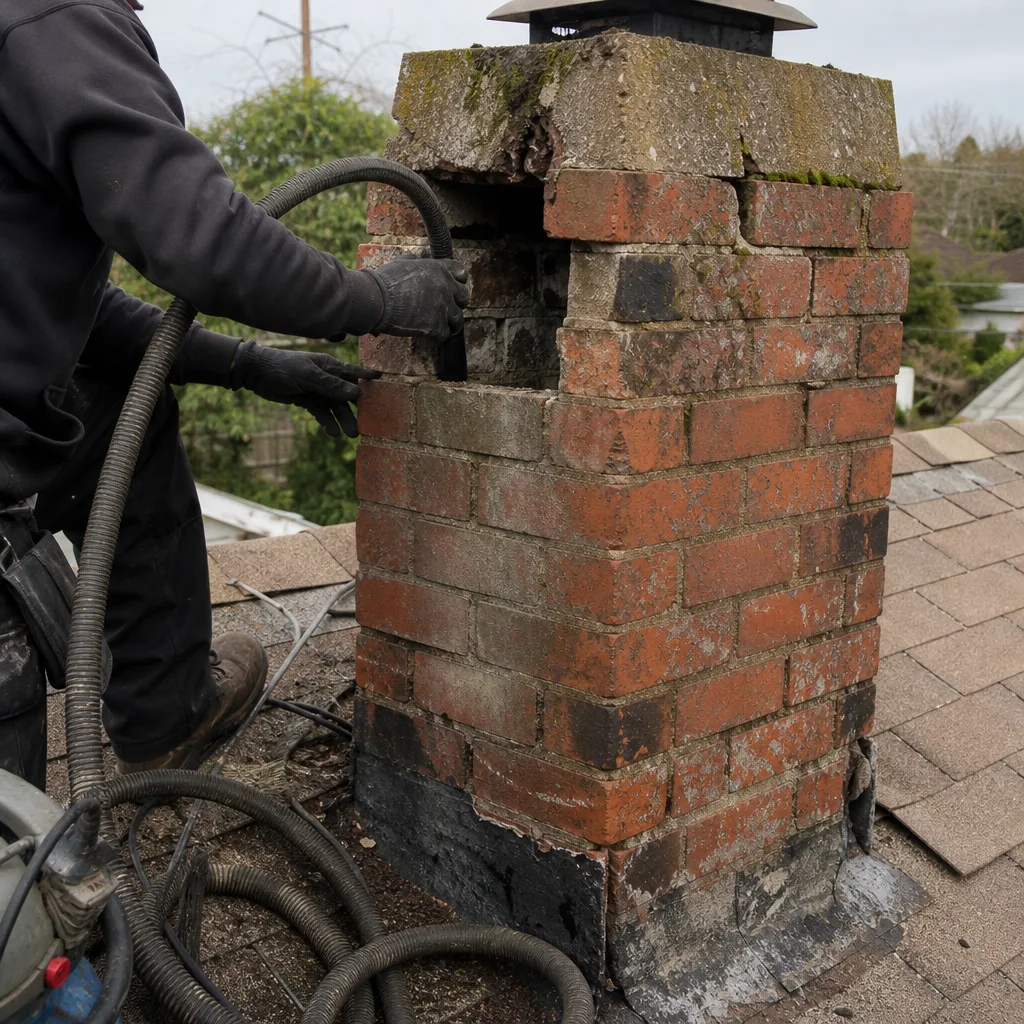 Before
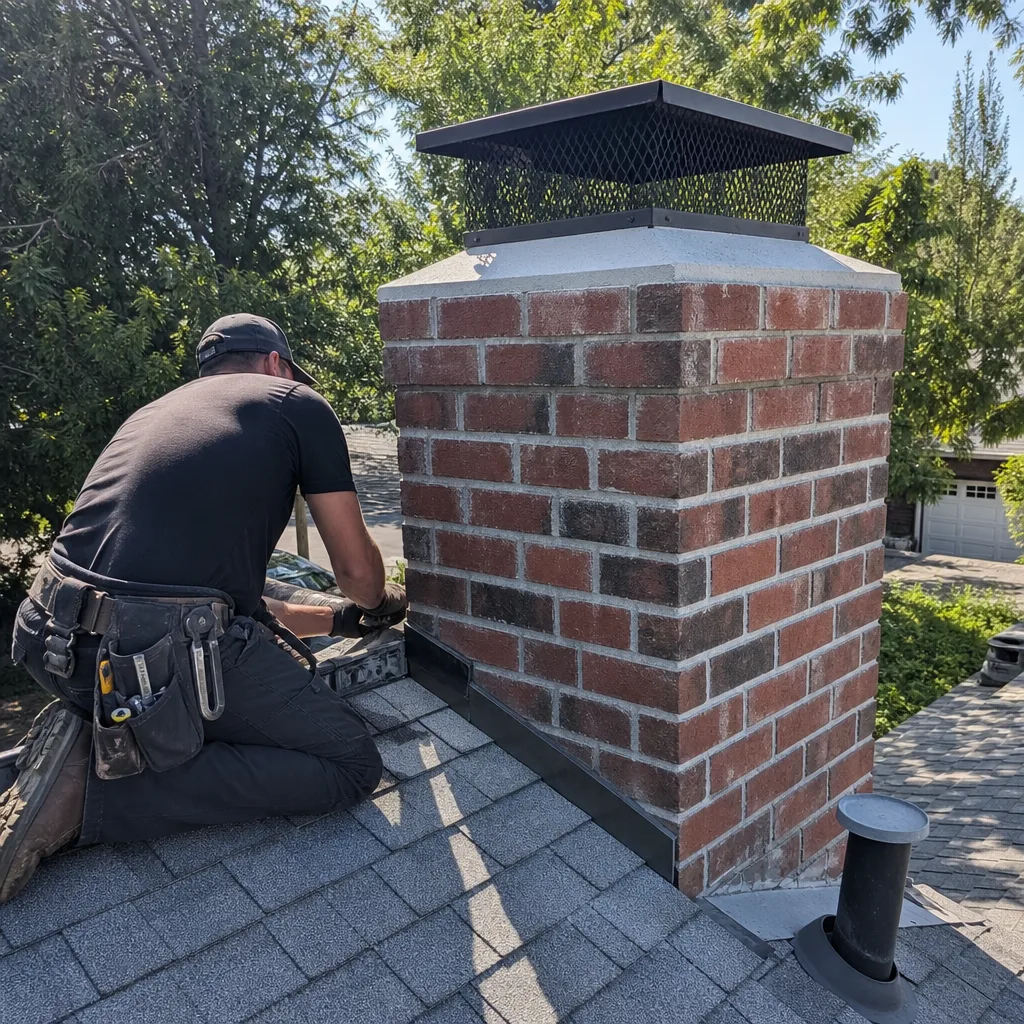 After
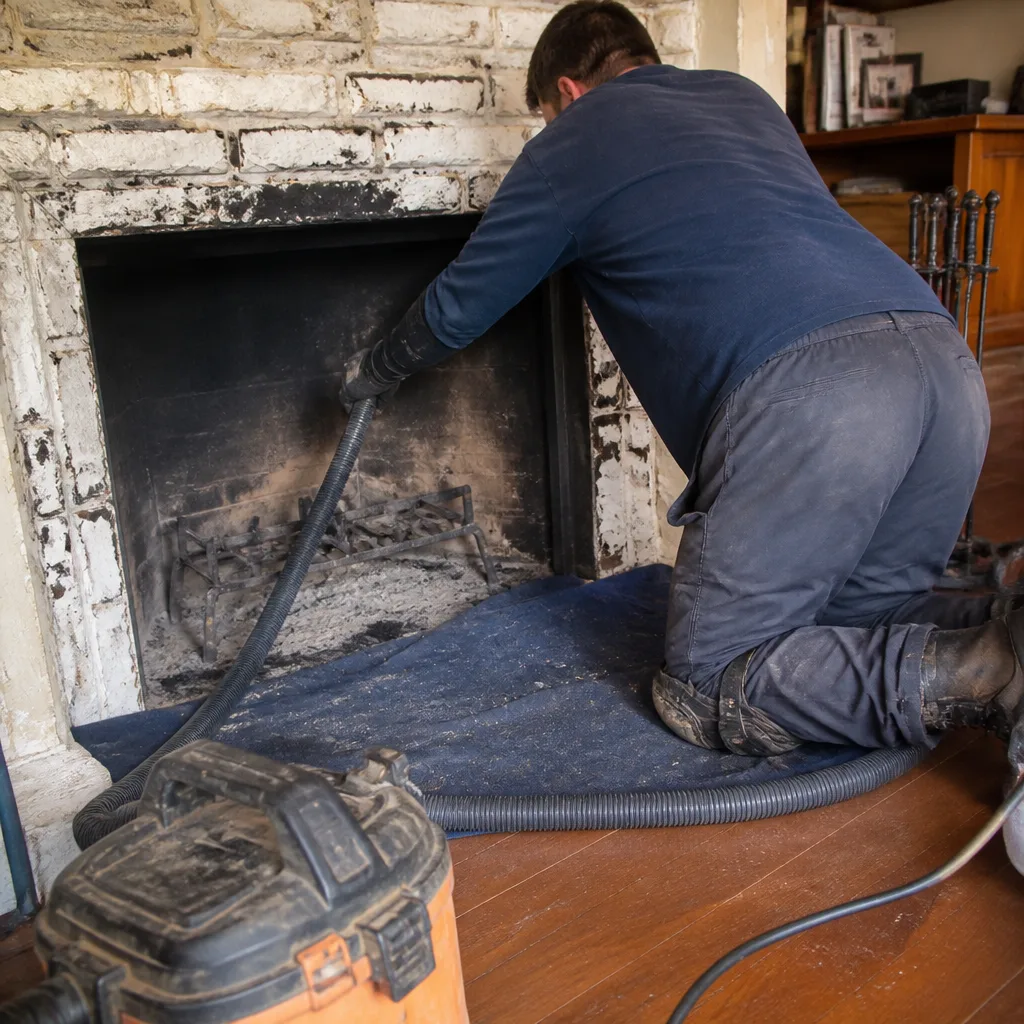 Before
 After
 Before
 After