
Last updated November 2, 2026
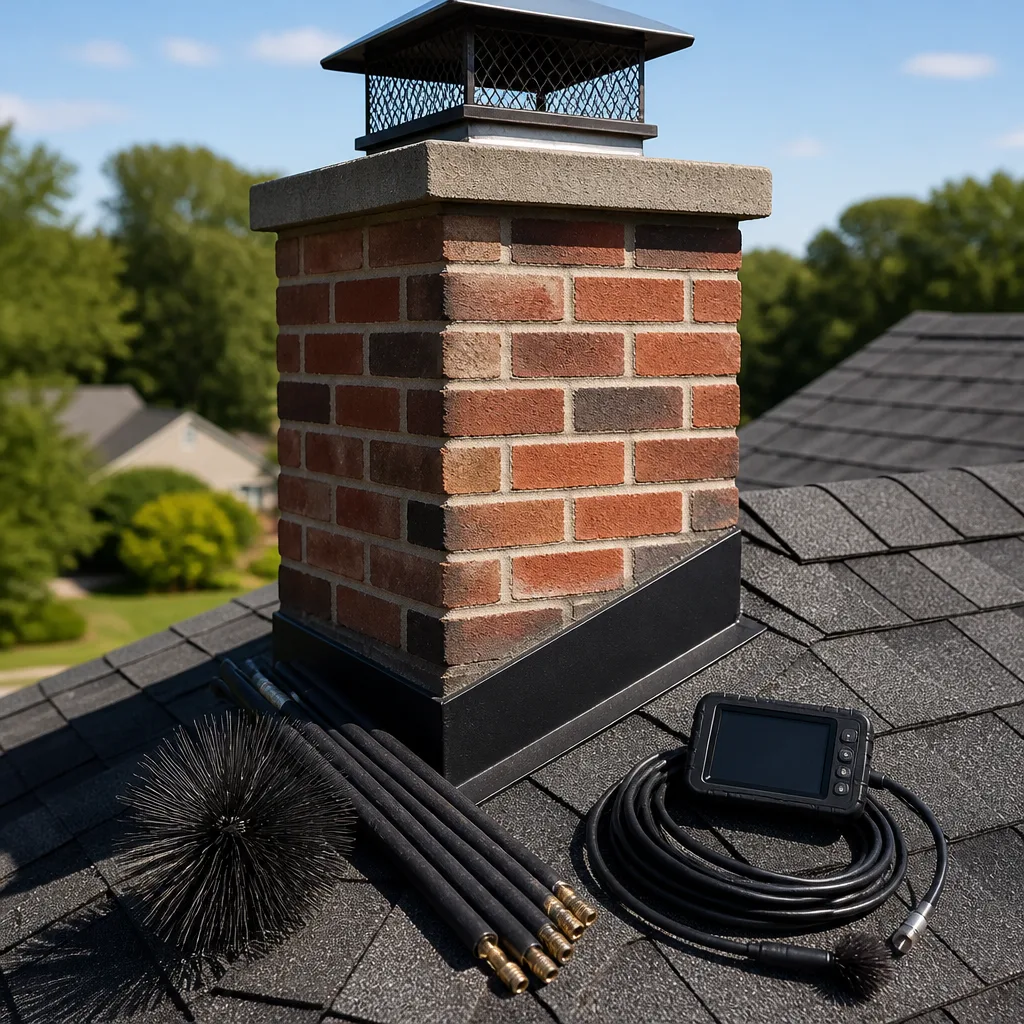 Sweep & inspection
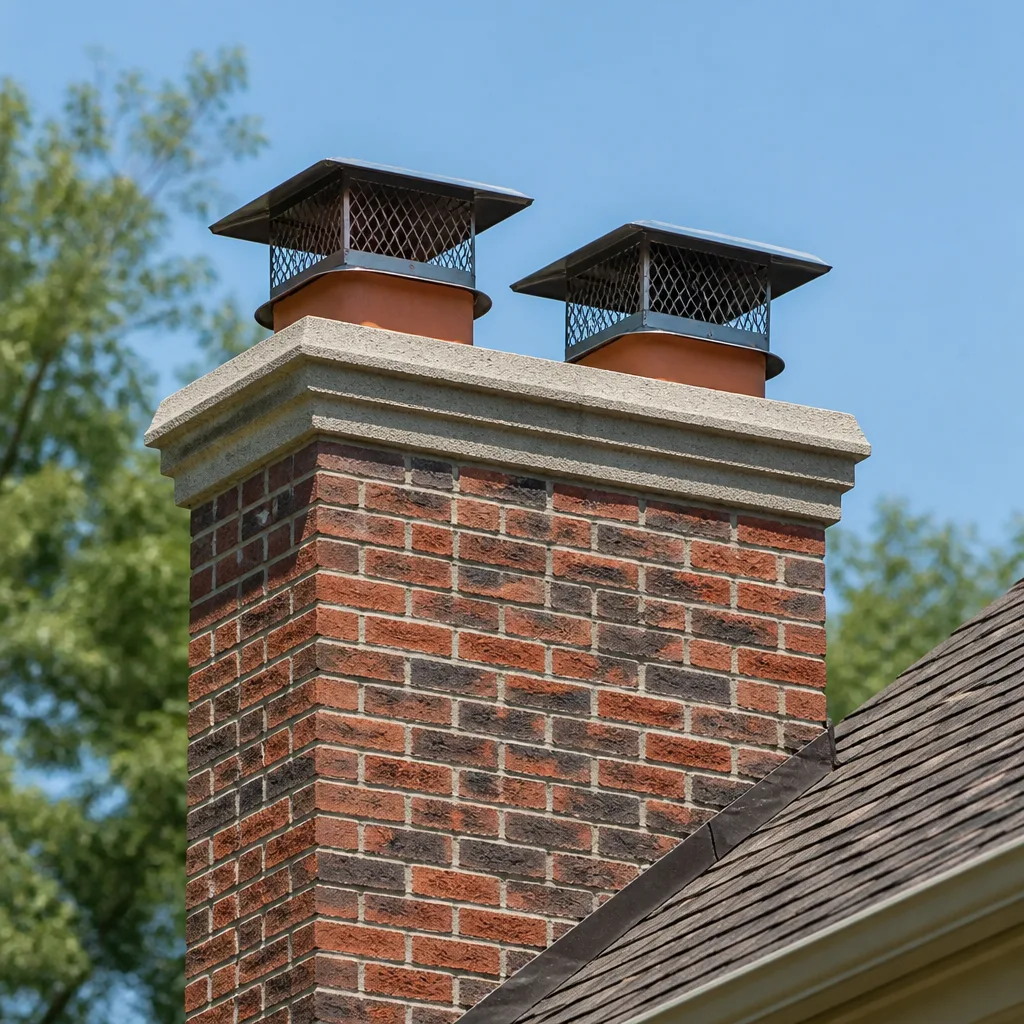 Caps & crowns
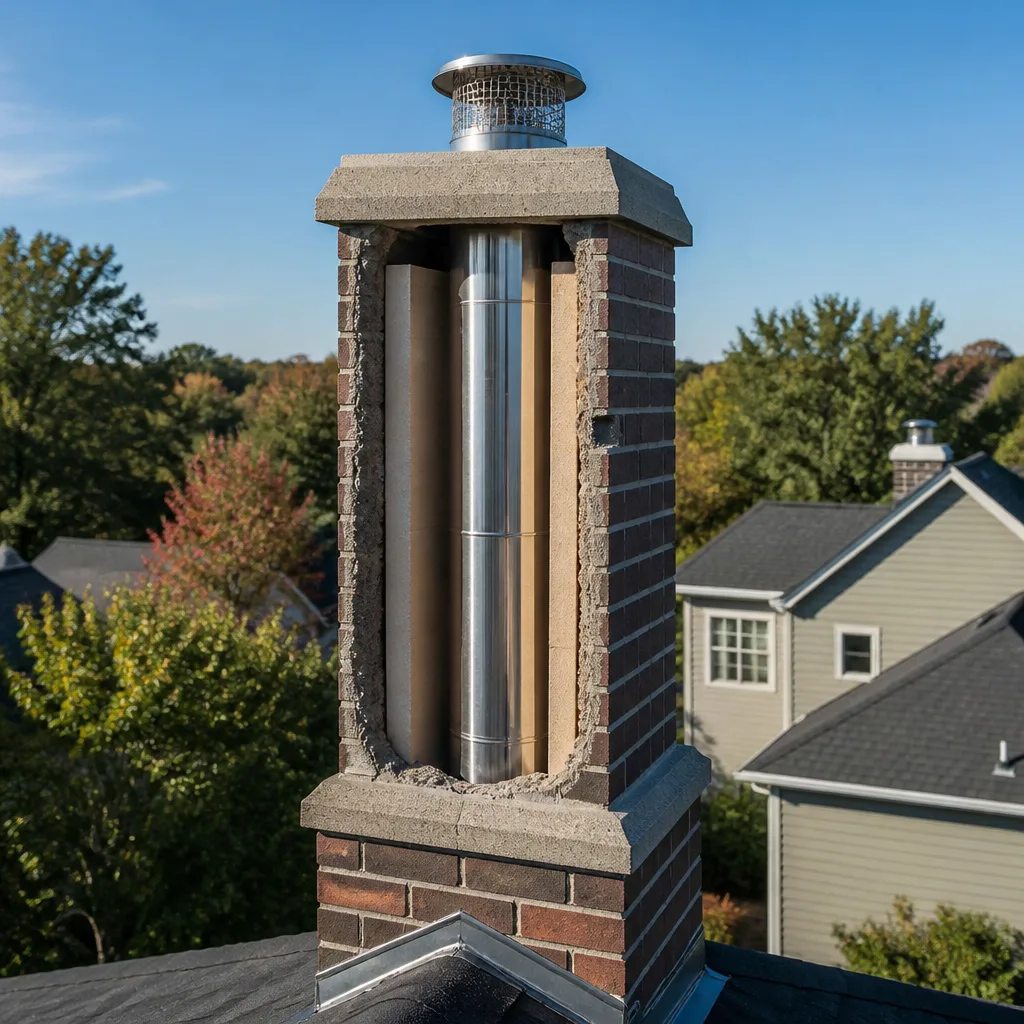 Flue relining
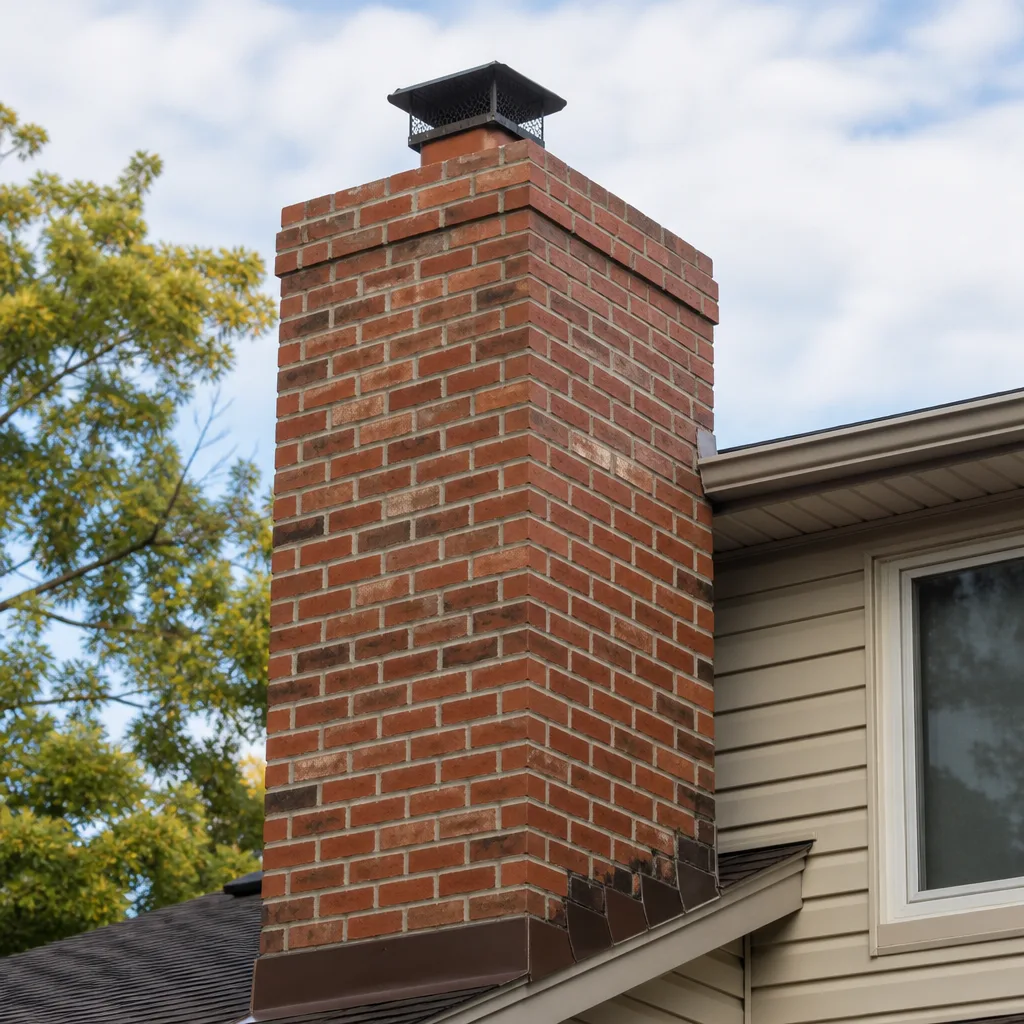 Masonry repair
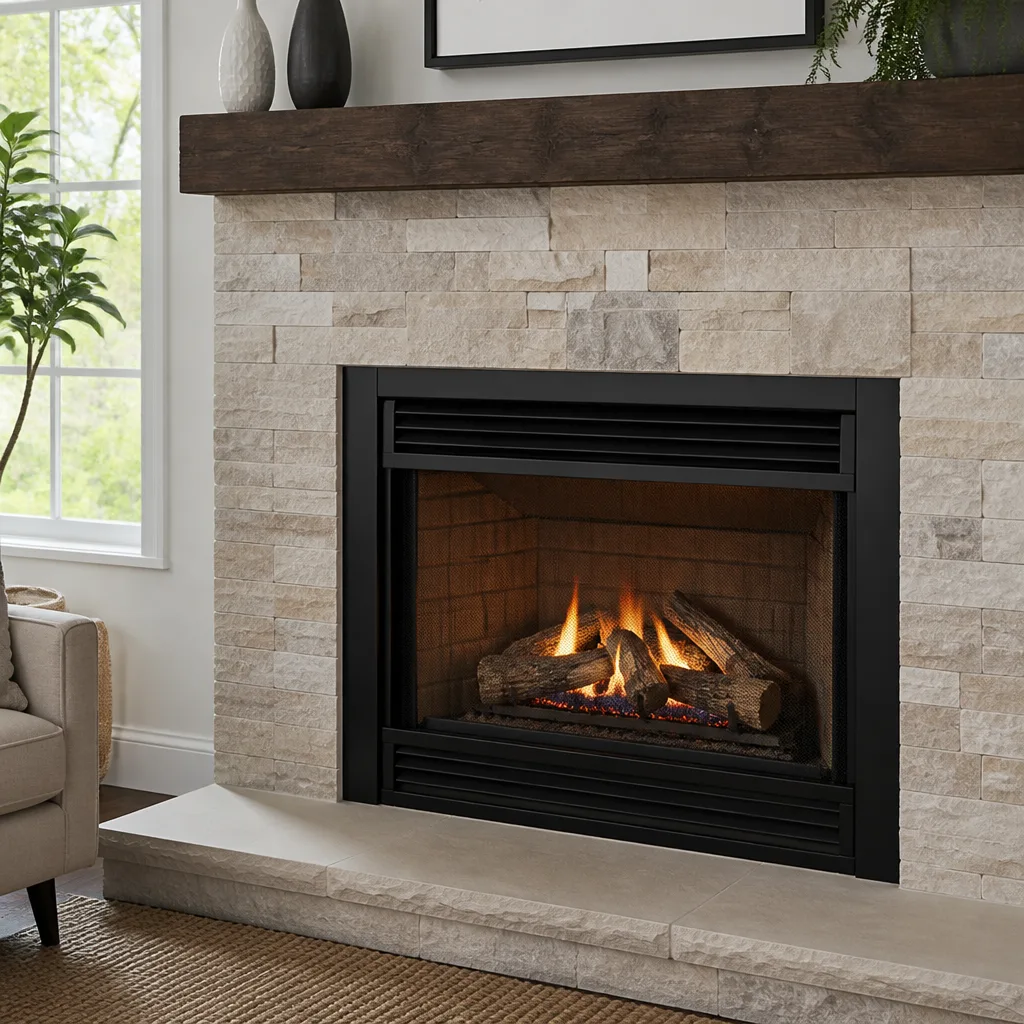 Gas fireplace service
Level 1 sweep and inspection to the NFPA 211 annual standard - flue, crown, cap, and flashing checked and photographed
Chimney sweep logs do not sweep chimneys. They loosen some creosote - which then falls where a brush and vacuum still have to collect it.
Choosing the Right Chimney Cleaning Brand: A Buyer’s Guide for Winnetka
Most Winnetka homeowners interview a chimney sweep the same way they’d interview a house cleaner: availability, price, done. That approach misses the single most revealing credential a chimney contractor carries onto your property, and it’s not a certificate on the wall. It’s the supply kit in the truck. A technician who arrives with professional-grade rotary cleaning systems, trade-brand liner components, and diagnostic cameras is provisioned to actually assess what’s happening inside your flue. A technician working from a hardware-store brush and a shop vac is equipped to make the fireplace look tidy, not to tell you whether it’s safe to burn. By the end of this guide, you’ll know exactly which products and materials distinguish a legitimate chimney specialist in Winnetka from a surface-level sweep, and how to use that knowledge to evaluate any contractor before you book. For more guides & resources on keeping your chimney safe, visit our blog.
Styles & brands we work with
- Sweep & inspection
- Caps & crowns
- Flue relining
- Masonry repair
- Gas fireplace service
Quick Answer
The right chimney cleaning brand for your Winnetka home isn’t a product you buy off a shelf. It’s the professional trade brand your contractor uses on the job. Look for a company that works with DuraFlex flexible liner systems, HeatShield resurfacing materials, and components from Olympia Chimney, Gelco, or Famco. Contractors who stock these names are doing diagnostic-grade venting work, not just brushing soot.
Table of Contents
- Why a Sweep’s Supply Kit Is a Credential You Can Read
- The Professional Product Categories: What Serious Technicians Actually Use
- Rotary Cleaning Systems: The Difference Real Equipment Makes
- Chemical Creosote Modifiers: What Works, What Doesn’t, and What to Question
- Liner Materials: The Performance Gap Nobody Shows You
- Caps and Dampers: Brands Worth Specifying by Name
- What to Ask a Contractor: The Questions That Reveal Their Supply Chain
- Common Mistakes to Avoid
- When to Call a Professional
- Frequently Asked Questions
- The Bottom Line
Why a Sweep’s Supply Kit Is a Credential You Can Read
Every trade has its tell. A mechanic who works with Snap-on tools day in and day out occupies a different tier than one running a consumer socket set from the auto parts store. The tools don’t make the mechanic, of course, but they reveal how the mechanic thinks about the job. Chimney work is no different, and in Winnetka the stakes are higher than most people realize. Our fireplaces see real use during fall and winter months, and the salt-laced air that drifts inland from the coast accelerates corrosion on caps, dampers, and exposed metal components. A technician who has invested in professional equipment is someone who expects to encounter degraded flue liners, compromised mortar joints, and creosote that has hardened past the point where a basic brush can touch it.
When we perform a chimney sweep in Winnetka, the truck carries more than brushes. It carries rotary whip systems, video inspection cameras, draft gauges, and a full complement of trade-brand repair materials including HeatShield and DuraFlex components. That equipment exists for a reason: routine cleaning without visual inspection is just decoration. You can’t diagnose what you can’t see, and you can’t see a flue liner without a camera. A contractor running consumer-grade gear can clean the firebox, sweep the flue, and leave you with a fireplace that looks acceptable and operates at unknown risk. The equipment gap is real, and it’s visible to any homeowner who knows what to look for.
The supply kit tell works both ways. When a contractor arrives with a truck stocked from a professional chimney supply house that carries Olympia Chimney, Gelco, Famco, and Copperfield products, that tells you something about their relationship to the trade. Those suppliers don’t sell to just anyone walking in. They serve working chimney professionals, and they carry materials engineered for code compliance and real-world fire conditions. A contractor provisioning through those channels is telling you they answer to a professional standard, not a big-box price point.
The Professional Product Categories: What Serious Technicians Actually Use
Chimney work breaks down into three product families that matter for a Winnetka homeowner. Understanding these categories gives you a framework for evaluating any contractor conversation. Here’s what experienced technicians actually carry:
- Rotary cleaning systems. These are whip-based setups driven by a corded drill or dedicated motor, designed to scour creosote from flue walls far more thoroughly than a push brush. The good ones, built by professional manufacturers, are sized precisely to your flue dimensions. The consumer ones are generic and often leave glaze untouched. The difference is measurable in how much creosote actually comes off, particularly the dense, tar-like stage two and stage three deposits that pose the highest fire risk.
- Chemical creosote modifiers. Applied after mechanical cleaning, these products treat residual creosote so future deposits adhere less aggressively and break down more easily during the next burning season. The professional formulations are catalysts, not solvents. They alter the chemical structure of creosote so it becomes more friable, which means your next sweep removes more of it with less effort. Consumer products often overpromise, and we’ll dig into that distinction below.
- Crown and flashing sealants. The chimney crown is the concrete slab at the very top of the stack, and it’s your first line of defense against water intrusion. When it cracks, water gets into the masonry, and freeze-thaw cycles in Winnetka’s occasional cold snaps can do real structural damage. Professional-grade elastomeric sealants flex with temperature swings and remain watertight for years. Hardware-store caulk doesn’t bond well to masonry, doesn’t handle expansion, and often fails within a single season. We use professional sealants because a chimney crown is not the place to learn that lesson twice.
These categories tell you what a thorough service actually includes. If a contractor can’t speak to what products they use in each category, that’s a conversation worth having before you hire them. The best contractors are proud of their material choices. The ones who deflect usually can’t defend them.
Rotary Cleaning Systems: The Difference Real Equipment Makes
The classic image of a chimney sweep is a guy with a round brush on a pole, pushing up and down. That’s still part of the trade. But in modern chimney work, the push brush is the opening act, not the main event. For anything beyond light soot, a rotary system is what separates a thorough clean from a visual one. The difference matters in Winnetka because our burning patterns create exactly the kind of creosote accumulation that basic brushing handles poorly.
Here’s what a rotary system does differently. Instead of pushing a brush vertically, a rotary whip spins at high speed inside the flue, using centripetal force to drive stainless steel or oil-tempered wire tips against the flue walls. The action scours rather than scrubs. It reaches into the rough, irregular surfaces of masonry flues where creosote embeds itself, and it works on flexible stainless liners without damaging the corrugated profile. For a Winnetka home with a gas insert venting through a resized liner, that’s the difference between a clean path for combustion gases and a partially obstructed one that nobody can see without a camera.
The equipment quality matters for the liner’s longevity, too. Cheap rotary whips with aggressive tips can score the interior of a stainless liner, creating grooves that collect creosote faster and shorten the liner’s service life. Professional systems are engineered to clean thoroughly without abrading. That’s the tolerance difference we referenced earlier. It’s not just about getting the soot out. It’s about not damaging the system in the process.
So when you’re evaluating a contractor, ask whether they use a rotary system and what type of whip they run for your specific flue – one of the key questions covered in The Complete Chimney Sweep Guide for Winnetka Homeowners. A contractor who shrugs and says “a brush is a brush” has just told you something important about how they approach your home’s fire safety system.
Chemical Creosote Modifiers: What Works, What Doesn’t, and What to Question
This is where marketing outpaces chemistry, and it’s worth taking a close look at what’s actually true. Creosote forms in stages. Stage one is flaky soot that brushes off easily. Stage two is a tar-like glaze that requires mechanical removal. Stage three is a hardened, glossy deposit that can be extremely difficult to remove and represents a serious fire hazard. No chemical product, regardless of what the label implies, safely dissolves stage two or stage three creosote in a functioning chimney. The products that claim to “dissolve” creosote generally work on the outermost layer and leave the denser deposits behind. That’s not a thorough cleaning. That’s a false sense of security.
What professional chemical modifiers do well is preparation and maintenance. Applied after a proper mechanical cleaning, they penetrate residual creosote and change its physical properties. The creosote becomes less dense, more brittle, and more easily removed the next time the flue is swept. This makes subsequent cleanings more effective and reduces the total creosote load in the chimney over time. It’s a legitimate part of a professional maintenance program. But it’s a supplement to mechanical removal, never a replacement for it.
In our experience cleaning chimneys across Winnetka, we’ve seen what happens when homeowners rely on chemical-only “cleaning logs” for years between professional sweeps. The creosote keeps building. The chemicals treat the surface. The fire risk remains. If you’re using chimney cleaning products between professional visits, look for a professional-grade creosote modifier, not a retail gimmick promising to clean the chimney by itself. Your annual or biannual sweep does the real work.
Liner Materials: The Performance Gap Nobody Shows You
If there’s one component where the difference between professional-grade and commodity material matters most, it’s the flue liner. This is the pipe that actually contains the fire’s exhaust and channels it out of your home. It’s the difference between a safe system and a house fire. And in Winnetka, where seismic activity is a real design consideration, the liner’s structural integrity matters every bit as much as its chemical resistance.
Professional-grade stainless flexible liners, like the DuraFlex systems we install and service, are manufactured from specific alloys designed to resist the acidic byproducts of combustion, withstand thermal cycling, and maintain structural integrity under the movement stresses common in seismic zones. The material is engineered, not just formed. The corrugation profile, the alloy composition, the weld quality, and the connector design all follow strict manufacturing tolerances recognized by code bodies and professional chimney organizations. These liners are tested and listed for their intended use.
Imported commodity liners are a different product. Many are made from thinner stainless, lower-grade alloys, and with looser manufacturing tolerances. They may look similar on a truck. They are not similar in a firebox. The failure modes are well documented within the trade: pinhole corrosion from acidic flue gases, seam separation at the weld points, and in earthquake-prone regions like Southern California, mechanical fatigue at the connection points. A liner that fails is not a theoretical concern. It allows combustion gases, including carbon monoxide, to escape into wall cavities and living spaces.
When a contractor proposes a liner replacement or repair, ask what brand of liner they’re installing and whether it’s a listed professional product. If they can’t name the manufacturer, that’s a red flag. If they name a brand and it’s not one you’ve heard of, ask why they chose it. The answer will tell you whether they’re buying from a trade supplier or from whatever importer offered the best price that month. The phrase “professional-grade materials, not off-the-shelf substitutes” exists for exactly this conversation.
Caps and Dampers: Brands Worth Specifying by Name
Chimney caps and dampers are often treated as afterthoughts, but they shouldn’t be. The cap is what keeps rain, animals, and debris out of your flue. The damper is what controls airflow and prevents heated air from escaping when the fireplace isn’t in use. Both components live in the harshest environment on your roof, exposed to marine air, UV radiation, and temperature swings. In Winnetka, they also contend with the occasional wildfire ember and the fine particulate that settles across the Valley from Santa Ana winds.
When we specify replacement caps and dampers, we stock Famco and Copperfield products because they’re engineered for these conditions. Famco components are built from heavy-gauge stainless or galvanized steel designed to withstand decades of weather exposure. Copperfield dampers use the same professional-grade construction philosophy. These aren’t the thin, flexy caps you’ll find in the roofing aisle of a hardware store. They’re built by manufacturers whose entire product line exists to serve professional chimney installers.
Here’s the homeowner leverage point. When a contractor proposes replacing a cap or damper, ask what brand they’re installing. If they say “a standard cap” or “whatever we have on the truck,” that’s an opportunity to push back. A professional chimney contractor should be able to name the manufacturer and explain why they chose it. If you’re told not to worry about the brand because “it’s all the same,” that’s not accurate. The metal gauge, the screen mesh, the welding quality, and the securing mechanism all vary significantly between professional and commodity products. You have every right to ask for the brand and to decline a substitute that hasn’t been explained.
The same principle applies to any component being attached to your chimney. Your venting system is a fire-safety apparatus. Every piece of it should be sourced with intention. A contractor who can’t articulate that intention, or who gets defensive when asked, is telling you something useful about how they run their business.
What to Ask a Contractor: The Questions That Reveal Their Supply Chain
Most homeowner-contractor conversations in Winnetka focus on scheduling and price. That’s understandable, but it skips the questions that actually predict the quality of the work. Here’s a numbered list of questions you can ask any chimney contractor to understand what you’re actually paying for. The answers matter more than the final bid.
- “What rotary cleaning system do you use, and what whip type will you run for my flue?” A professional answer includes specifics: the system’s manufacturer, the whip style, and the reason it’s appropriate for your flue material. A vague answer, like “we use the standard equipment,” suggests a contractor who hasn’t thought much about it.
- “What brand of liner do you install if mine needs replacement?” If they name a professional brand like DuraFlex and can speak to why they use it, you’re talking to someone with actual training and supplier relationships. If they say “we can get whatever you want,” be wary. That’s not how professional procurement works.
- “Do you use chemical creosote modifiers, and which one?” The honest answer is that they use a professional-grade catalyst after mechanical cleaning. The dishonest answer is that their chemical product makes brushing unnecessary. There’s a difference between preparation and substitution.
- “What camera do you use for inspection?” Not every sweep requires a camera, but every thorough chimney service includes some form of visual inspection, and a contractor who carries a camera is equipped to show you what they see. The best contractors can hand you a photo report showing the condition of your flue before and after.
- “Where do you source your materials?” Professional chimney suppliers like Olympia Chimney, Gelco, and Copperfield serve the trade. A contractor who names a supply house, rather than a big-box store, is telling you they operate within the professional ecosystem.
- “Can you explain what you found and show me?” This is the most important question on the list. A contractor who can’t explain what they saw, or who won’t show you, hasn’t actually done the diagnostic work. In our experience, the best conversations happen when the homeowner looks at the camera screen along with the technician.
These questions aren’t aggressive. They’re routine due diligence for a system that protects your home from fire. A good contractor welcomes them. Ours certainly do.
Common Mistakes to Avoid
- Hiring on price alone without asking about equipment. The cheapest sweep in Winnetka is often the one with the least diagnostic capability. You’re not paying for the brushing. You’re paying for the assessment of a fire-safety system.
- Trusting chemical cleaning logs as a substitute for professional service. These products treat surface creosote. They don’t remove it, and they don’t inspect for cracks, gaps, or deterioration. A log can’t tell you your liner has a pinhole.
- Accepting “equivalent” parts without an explanation. When a contractor substitutes a different cap, damper, or liner brand than what was quoted, you deserve to know why. The word “equivalent” in chimney work often means “cheaper for the contractor.”
- Ignoring the damper and cap because “the chimney works fine.” A functioning draft doesn’t mean the system is safe. Caps corrode, dampers rust, and neither fails loudly. They fail gradually, and the first sign is often water damage or a chimney fire.
- Skipping the dryer vent because they called about the chimney. Dryer vents are one of the top three leading causes of residential fires. A specialist who services both is rare, and worth taking advantage of. Schedule both while they’re on site.
- Assuming any contractor with a brush is a “chimney sweep.” The title isn’t regulated. The equipment is the credential. Ask about the tools before you book.
When to Call a Professional
If you’ve never had your chimney inspected, or if it’s been more than a year since the last cleaning, schedule a professional service before you burn again. The same applies if you notice any of these conditions: visible smoke entering the room during use, a strong odor coming from the fireplace even when it’s cold, water staining on the ceiling or walls near the chimney, flaking masonry or rust on the cap, or the presence of animals or nesting material in the flue. If your gas insert has been running for a season or more without an inspection, call sooner rather than later. If your dryer takes longer than 45 minutes to dry a load, or if the vent flap outside isn’t opening while the dryer runs, that’s a vent restriction and it should be addressed before it becomes a fire. Chimney Sweep Winnetka offers free estimates in Winnetka. Call (877) 939-1446 to schedule a sweep, inspection, repair consultation, or dryer vent cleaning.
Frequently Asked Questions
A standard chimney sweep in Winnetka typically costs between $180 and $350, depending on the flue size, the level of creosote buildup, and whether the chimney requires access from the roof or can be serviced from inside. Homes with heavy stage two or stage three creosote, or those needing a rotary system rather than a basic brush, will land toward the higher end. Camera inspections, if not included, may add $75 to $150. The best way to get an exact number for your fireplace is to call (877) 939-1446 for a free estimate.
The National Fire Protection Association recommends an annual inspection, with a sweeping when creosote reaches 1/8 inch of accumulation or when the flue is obstructed. For Winnetka homeowners who burn regularly during fall and winter, this effectively means an annual sweep. Homes with gas inserts can often go longer between mechanical cleanings, but the venting system should still be inspected annually for blockages, corrosion, and proper function.
The honest answer is visible on a camera. A cracked, corroded, or improperly sized liner needs replacement, and a professional contractor should be able to show you the damage on screen. If the recommendation comes with camera evidence you can see with your own eyes, it’s likely legitimate. If it comes without visual proof, or if the contractor won’t show you what they saw, get a second opinion. We tell every Winnetka customer the same thing: no liner work is ever recommended without camera evidence you can review yourself.
Creosote accumulates, and creosote is combustible. When it builds to sufficient thickness and the flue temperature rises, it can ignite, causing a chimney fire that reaches temperatures high enough to crack liners, damage masonry, and spread to the surrounding structure. Even without a chimney fire, a partially obstructed flue can push carbon monoxide back into your living space. Annual maintenance is the cheapest insurance you can buy for a wood-burning home.
The difference is visible up close. Professional caps from manufacturers like Famco and Copperfield use heavier-gauge steel, better screens, and more secure mounting hardware than the commodity products sold at hardware stores. In Winnetka, where coastal air accelerates corrosion and Santa Ana winds test every attachment point on your roof, that difference shows up within a few seasons. A professional cap lasts decades. A cheap one needs replacement in years.
Yes, and it’s the most efficient way to consolidate your annual fire-safety maintenance. We offer dryer vent cleaning in Winnetka as a standalone service or as a same-day add-on to a chimney sweep. Since dryer vents are one of the top three leading causes of residential fires, and since the same diagnostic approach applies, there’s no reason to schedule two different contractors for two different venting systems. One call, one visit, both systems serviced.
A sweep removes accumulated creosote and soot from the flue. A repair addresses structural or functional issues discovered during inspection: cracked flue tiles, deteriorated dampers, damaged crowns, or compromised caps. Our chimney repair in Winnetka service uses HeatShield resurfacing materials and DuraFlex liner systems to restore failing components. The distinction matters because many sweep-only companies in the area cannot perform the repairs their inspections uncover, which means a second contractor and a second service call. From routine sweeping to full liner repair, one specialist handles it.
The Bottom Line
The right chimney cleaning brand for your Winnetka home is the professional trade brand your contractor trusts enough to stock. Look for DuraFlex or HeatShield components if repair is on the table, and for rotary cleaning systems that can handle more than surface soot. Ask about the caps, dampers, and sealants by manufacturer, and push back on any substitution that isn’t explained. Your chimney and dryer vent are fire-safety systems, and they deserve the same scrutiny you’d apply to an electrical panel or a gas line. When you’re ready to book, call (877) 939-1446 for a free estimate from a team that works with the brands professional chimney technicians trust. Start with our Chimney Sweep Winnetka home page to see the full range of services available in your neighborhood.
Written by the team at Chimney Sweep Winnetka, serving Winnetka since 2014.
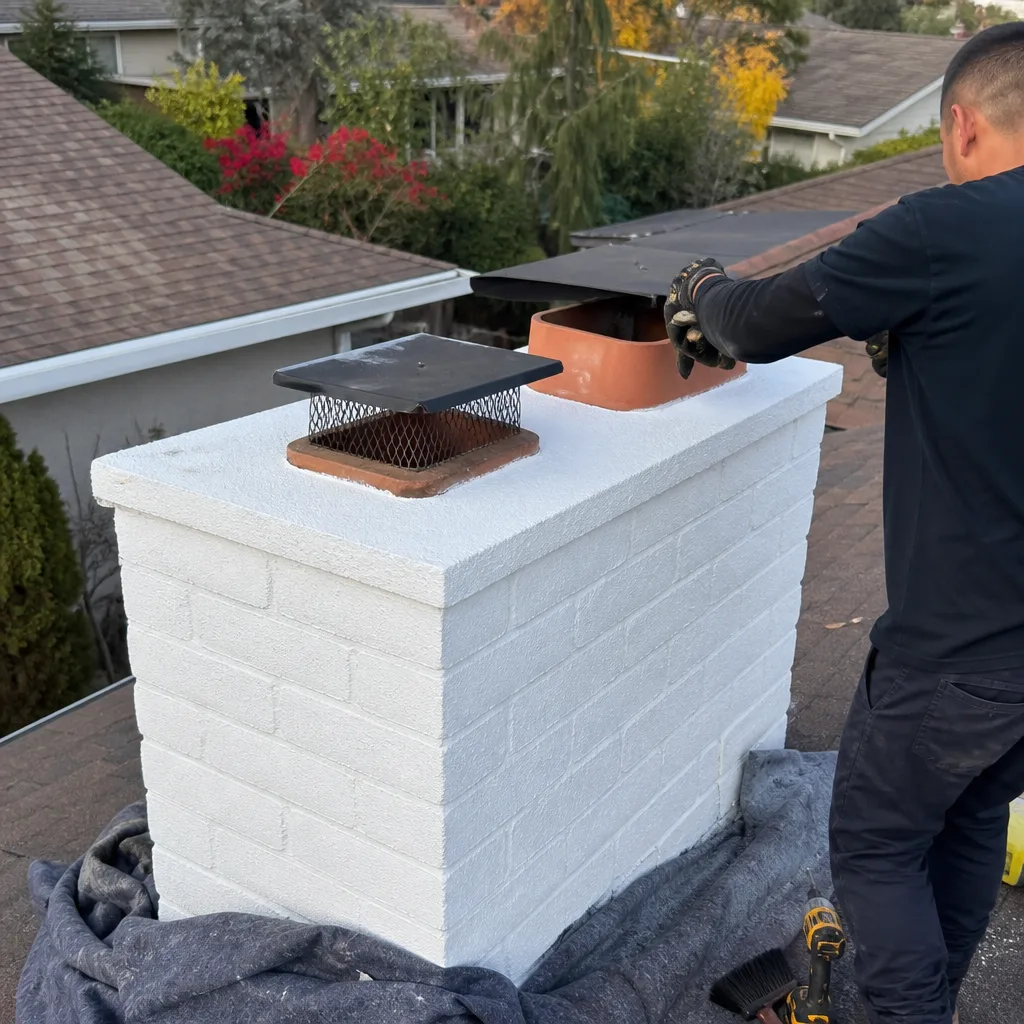
See the difference
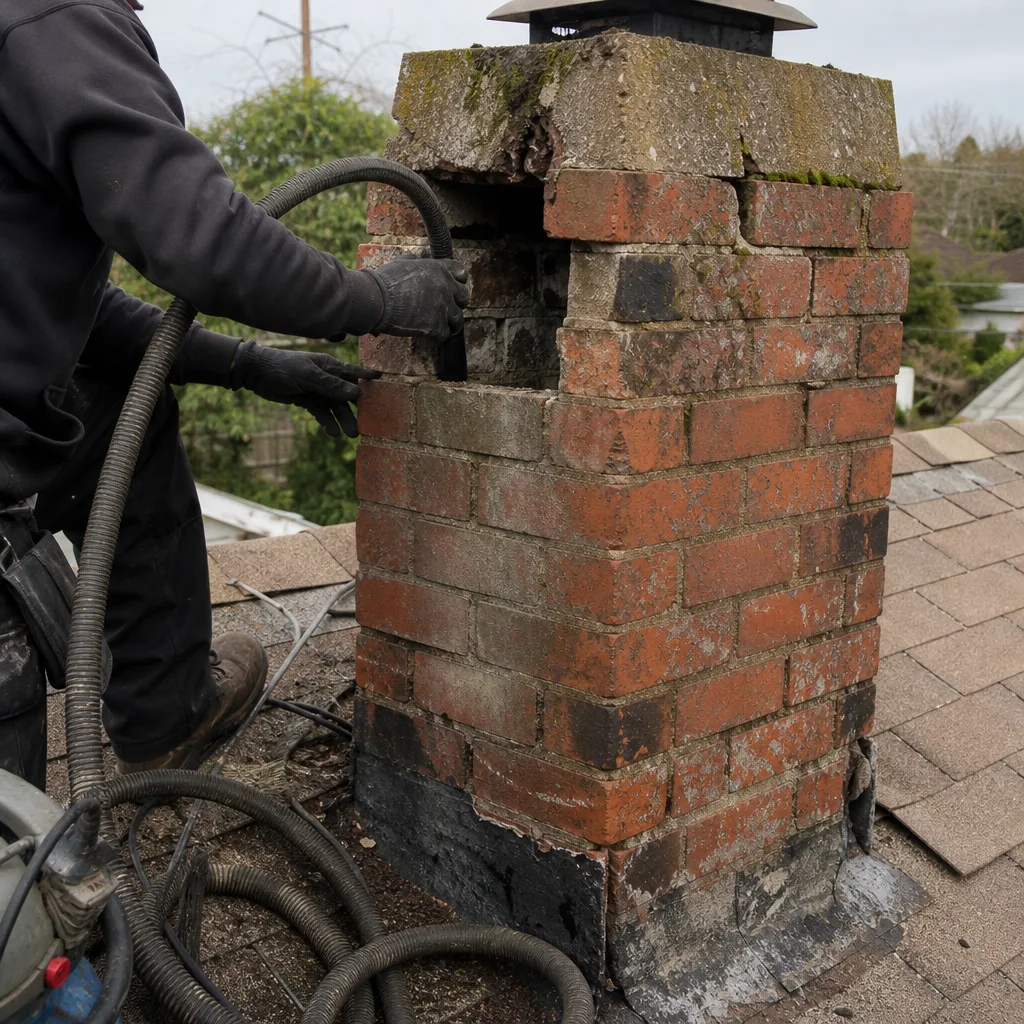 Before
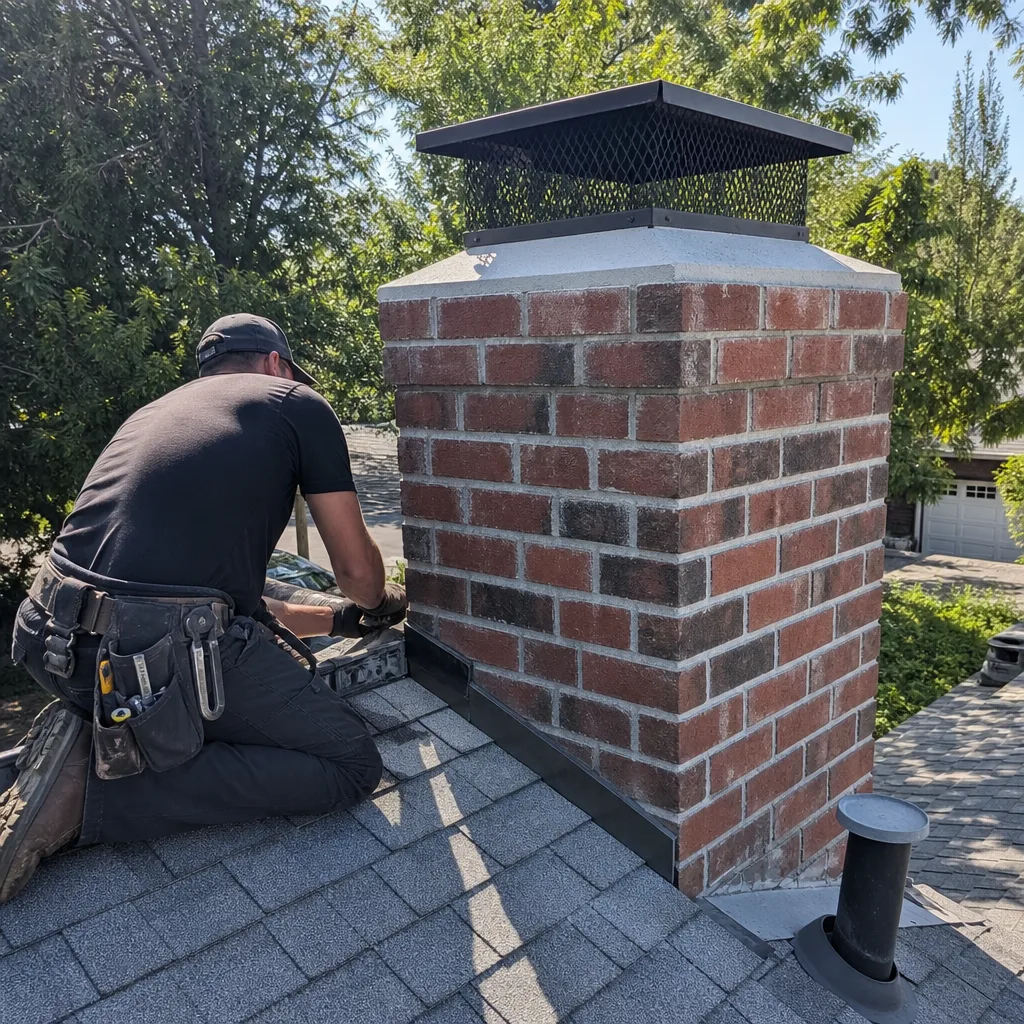 After
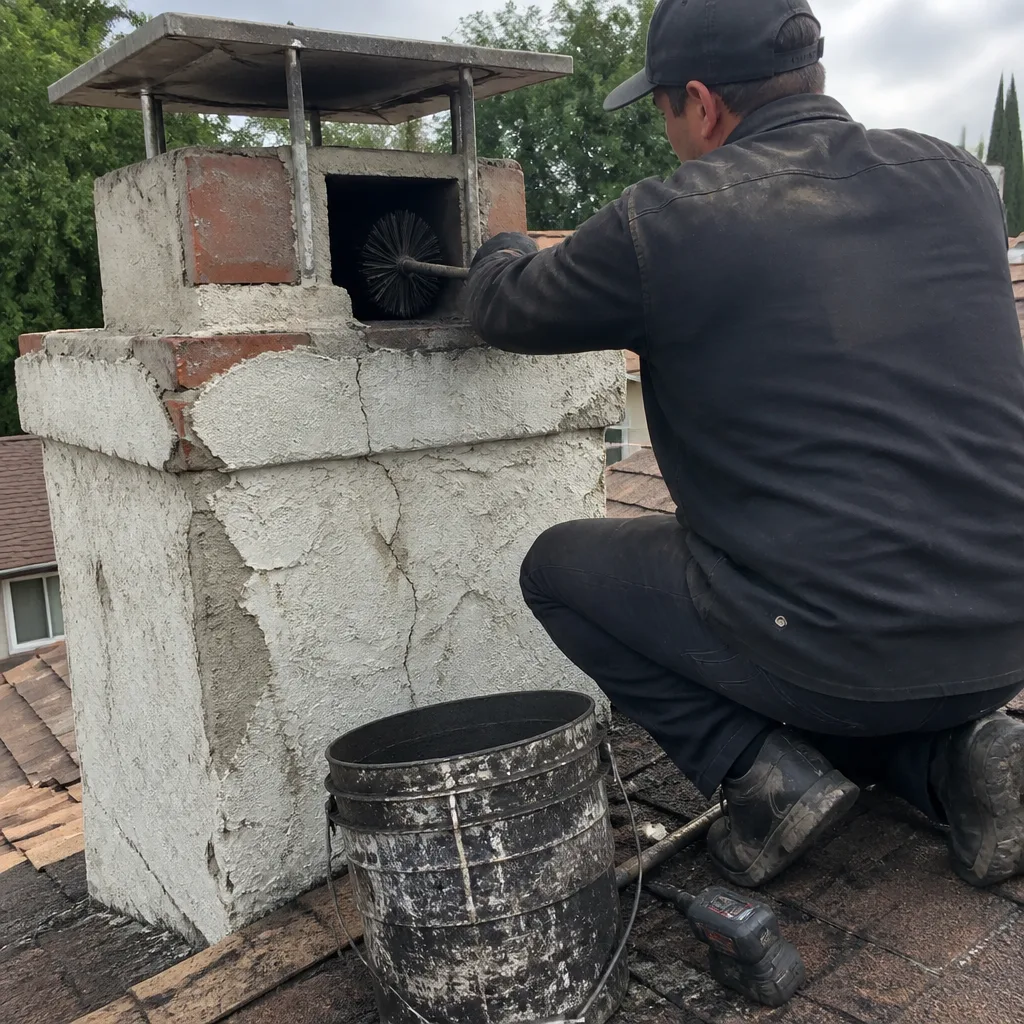
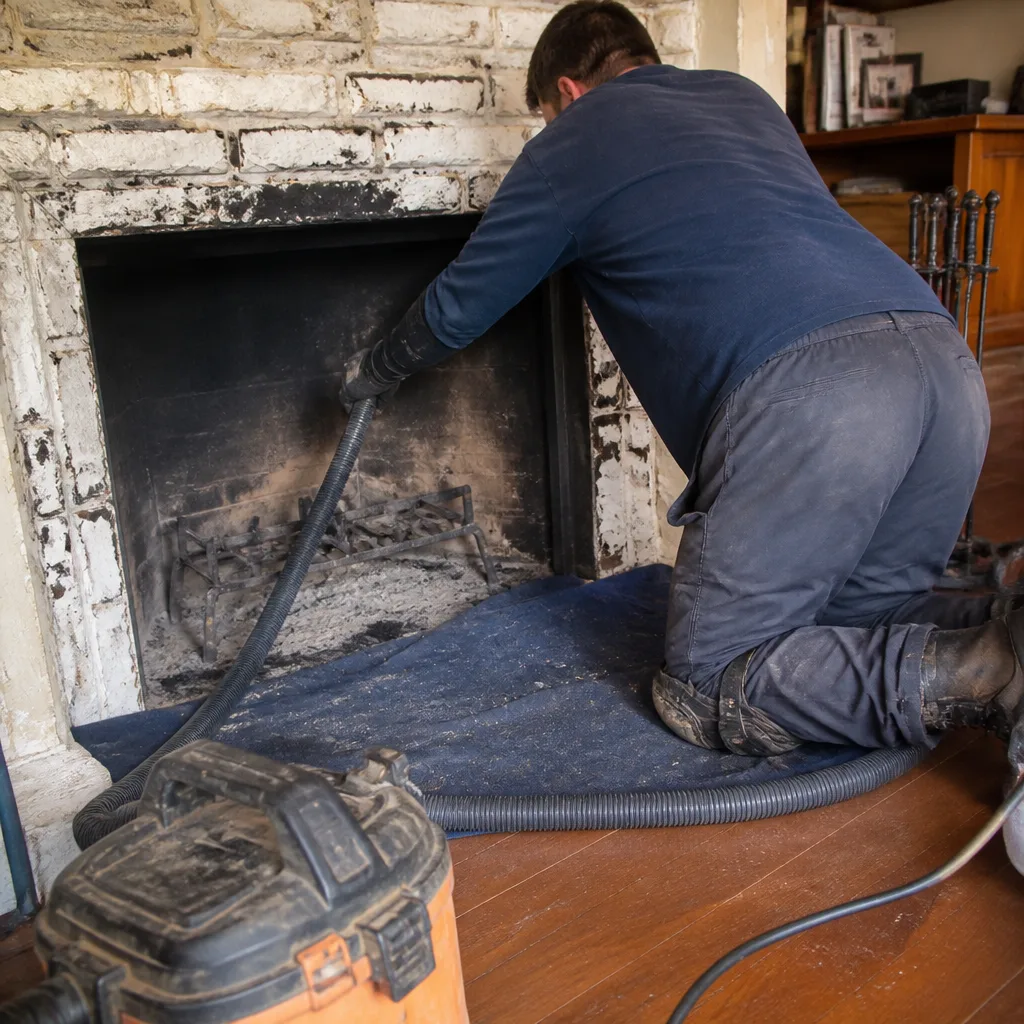 Before
 After
 Before
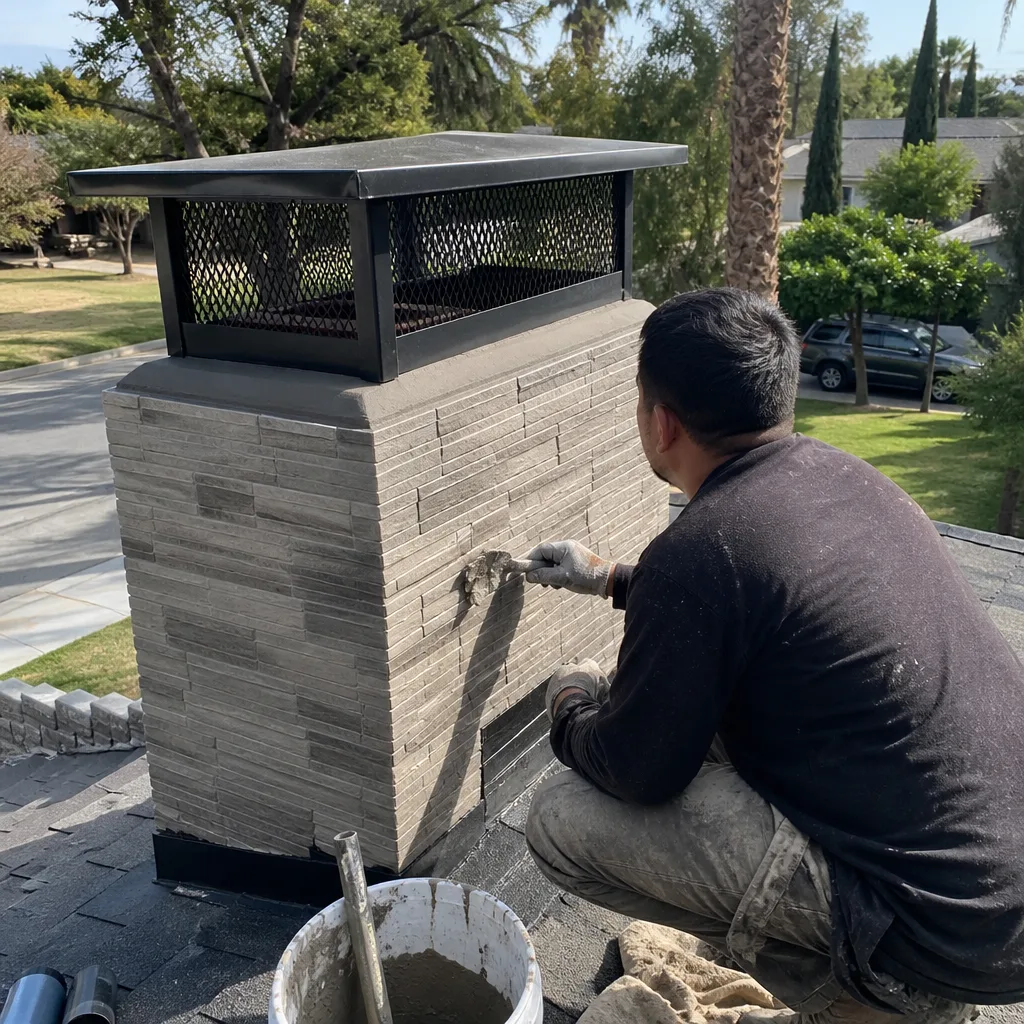 After