
Last updated November 2, 2026
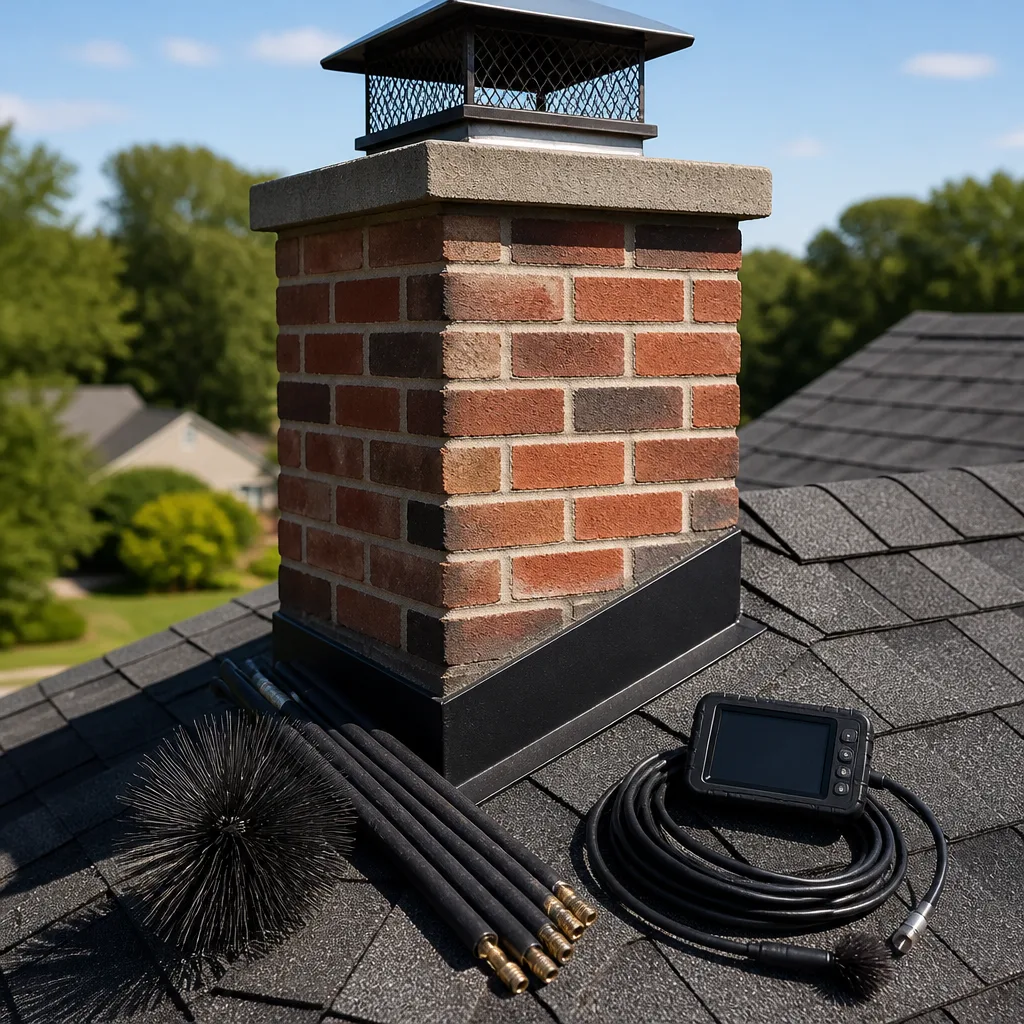 Sweep & inspection
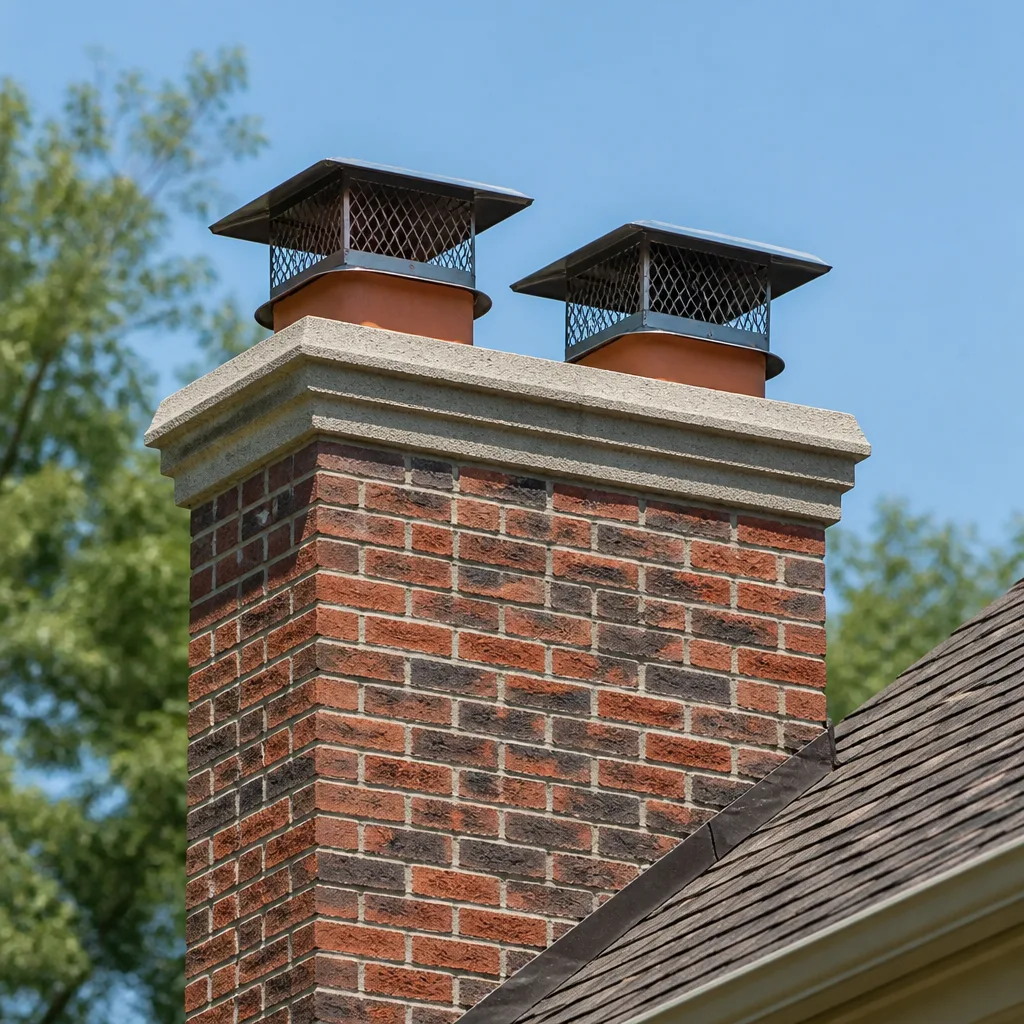 Caps & crowns
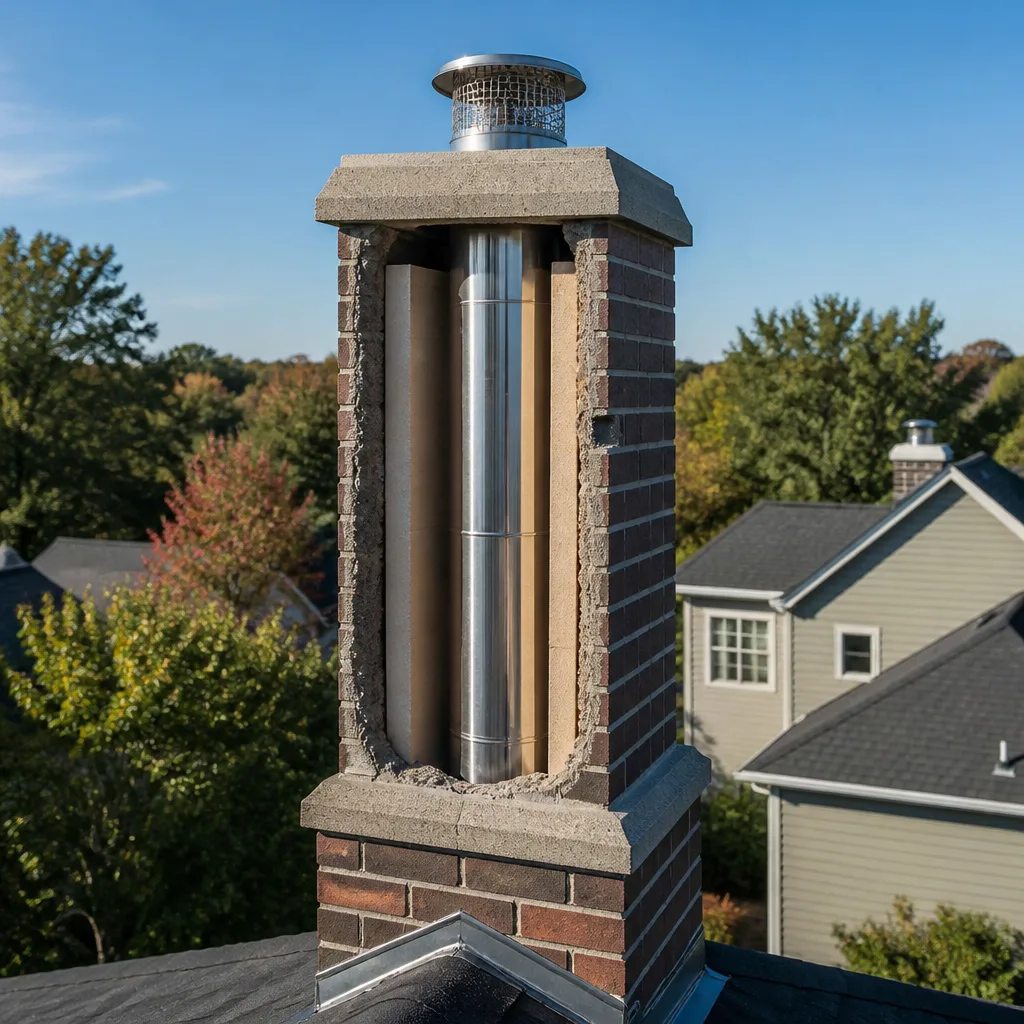 Flue relining
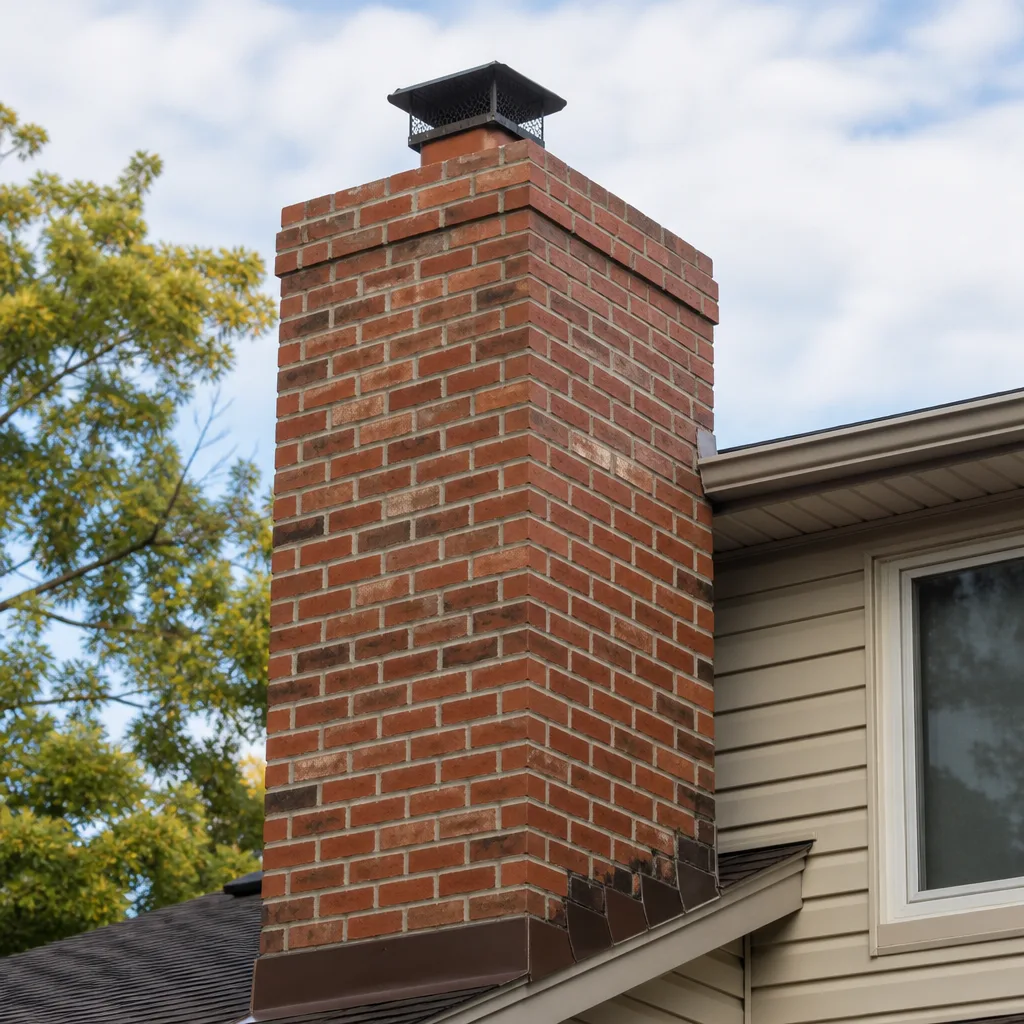 Masonry repair
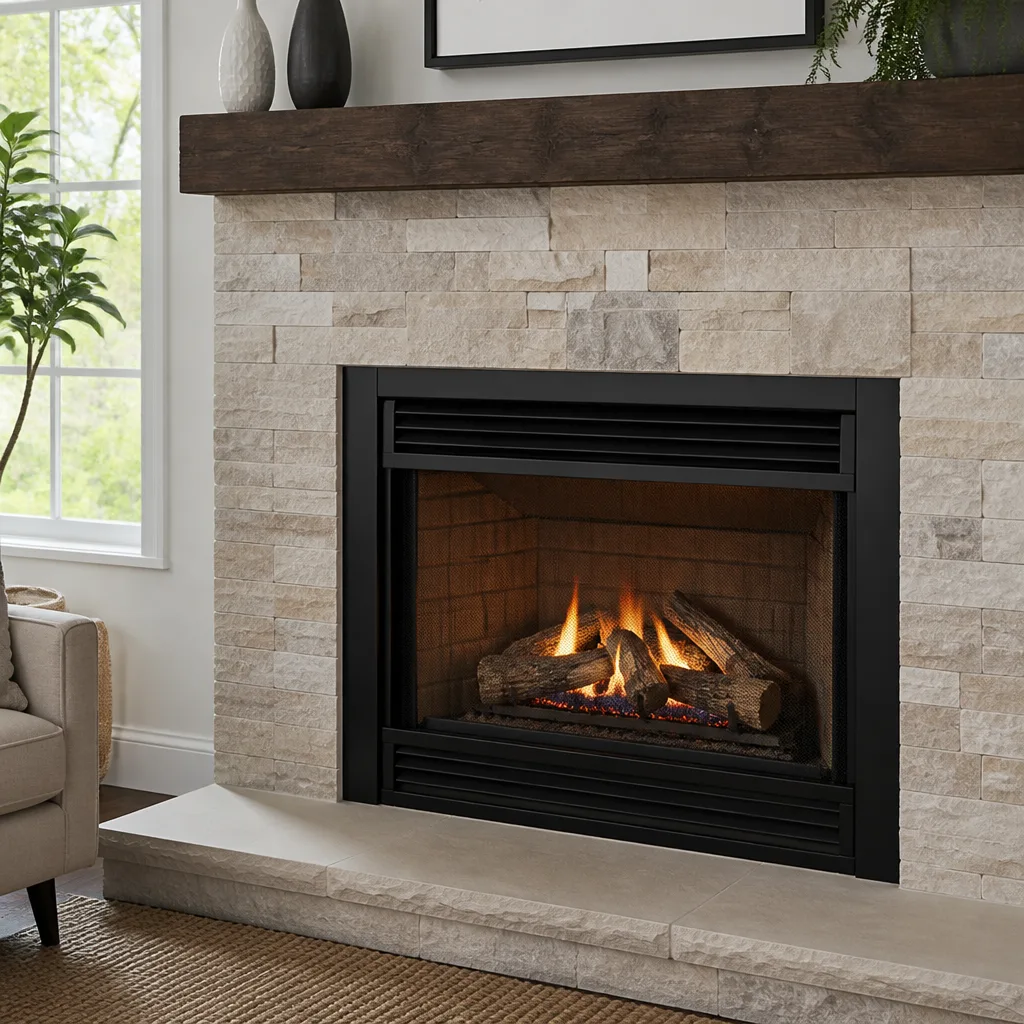 Gas fireplace service
Level 1 sweep and inspection to the NFPA 211 annual standard - flue, crown, cap, and flashing checked and photographed
Chimney sweep logs do not sweep chimneys. They loosen some creosote - which then falls where a brush and vacuum still have to collect it.
Chimney Sweep Troubleshooting: Common Problems and How to Fix Them
A smoky living room does not automatically mean a dirty chimney. Most homeowners in Winnetka reach for the phone assuming they need a sweep when the real culprit could be a pressure imbalance from a tightly sealed house, a rusted damper stuck half open, or a flue that was sized wrong from day one. Sweeping fixes creosote. It does not fix airflow physics. Our Complete Chimney Sweep Guide for Winnetka Homeowners walks through a systematic diagnostic sequence for the most common fireplace and chimney symptoms so you can identify the right problem before spending money on the wrong solution. By the time you finish reading, you will know which symptoms point to a cleaning, which point to a repair, and which point to your house itself rather than the chimney at all.
Quick Answer
Chimney and fireplace problems fall into five root-cause categories: creosote buildup, airflow or pressure imbalance, water intrusion, mechanical failure (dampers, caps, flashing), and structural deterioration. The fix depends entirely on which category you are dealing with. Start by identifying whether the symptom happens only when the fireplace is in use (points to airflow or creosote) or all the time (points to water, structure, or the chimney cap), then work through the diagnostic steps below to narrow it down.
Styles & brands we work with
- Sweep & inspection
- Caps & crowns
- Flue relining
- Masonry repair
- Gas fireplace service
Table of Contents
- Smoke Backdraft and Poor Draw: The Three Causes Everyone Confuses
- Summer Odors and Musty Smells: Why They Point to the Cap, Not the Flue
- Creosote Buildup: Understanding Stage 1, 2, and 3 Before You Sweep
- Water Stains, Efflorescence, and Deteriorating Mortar: Structural Red Flags
- Makeup Air and Negative Pressure: When Your House Is the Problem
- Damper Failure and Mechanical Issues: Symptoms Often Misread as Draft Problems
- Animal Nests and Debris Blockages: What Sticks, What Smells, and What to Do
- DIY Checks vs. Professional Diagnosis: Where to Draw the Line
Smoke Backdraft and Poor Draw: The Three Causes Everyone Confuses
Smoke rolling back into the room is the most common complaint we hear, and the most misdiagnosed. There are three distinct root causes, and each requires a completely different fix. Before you call for a sweep, run through this decision sequence.
Cause 1: Creosote Buildup Restricting the Flue
Creosote narrows the flue opening, which reduces draft velocity. Think of the flue as a straw: a clean straw pulls liquid easily, a straw coated with sludge on the inside takes real effort. When enough creosote accumulates, the draft weakens and smoke spills into the room instead of rising. This is the only backdraft cause that a sweeping actually fixes. If your fireplace has not been swept in two or more burning seasons, or if you have been burning unseasoned wood, creosote restriction is a reasonable first hypothesis.
Cause 2: Damper Failure
A damper that will not fully open, or one that has warped from years of heat, chokes the flue at the throat. Even a clean chimney will backdraft if the damper is partially closed, because the flue cannot pull enough air volume to carry smoke upward. Test this yourself: shine a flashlight up the throat with the damper in the open position. If you can see the damper plate hanging into the opening at an angle, or if the handle spins without moving the plate, the damper is the problem. No amount of sweeping fixes a failed damper. This is a repair, not a maintenance item. We have replaced warped and rusted dampers in Winnetka homes where the homeowner had already paid for two cleanings that made no difference.
Cause 3: Negative Air Pressure in the House
Modern houses, particularly the newer builds in Winnetka and the San Fernando Valley, are sealed tight for energy efficiency. A fireplace needs combustion air from somewhere. If the house is tight and an exhaust fan, clothes dryer, or furnace is running, the house becomes a vacuum. The chimney, which is the largest opening, reverses direction and pulls outside air down instead of sending smoke up. The tell-tale sign is smoke that backdrafts only when the HVAC kicks on, the kitchen exhaust is running, or the dryer is going. Other clues: a slight whistling sound at windows, or doors that pull shut on their own. Fixing this involves cracking open a window near the fireplace, or installing a proper makeup air vent, not sweeping. For a deeper read on how tight construction affects fireplace performance, see our guide to Chimney Sweep in Winnetka services and what our inspection actually covers.
Summer Odors and Musty Smells: Why They Point to the Cap, Not the Flue
A chimney that smells musty or sooty in July, when the fireplace has not been used in months, is almost never a cleaning issue. The smell is a humidity problem, and humidity enters the flue through one specific opening: the top. Here is the mechanism. Warm outside air carries moisture down the flue. That moisture mixes with creosote residue and soot, releasing a damp, acrid smell that settles into the living room. The more humid the summer, the worse the smell. Winnetka’s summer heat, combined with the marine layer that pushes in from the coast, makes this a seasonal annoyance for many local homeowners.
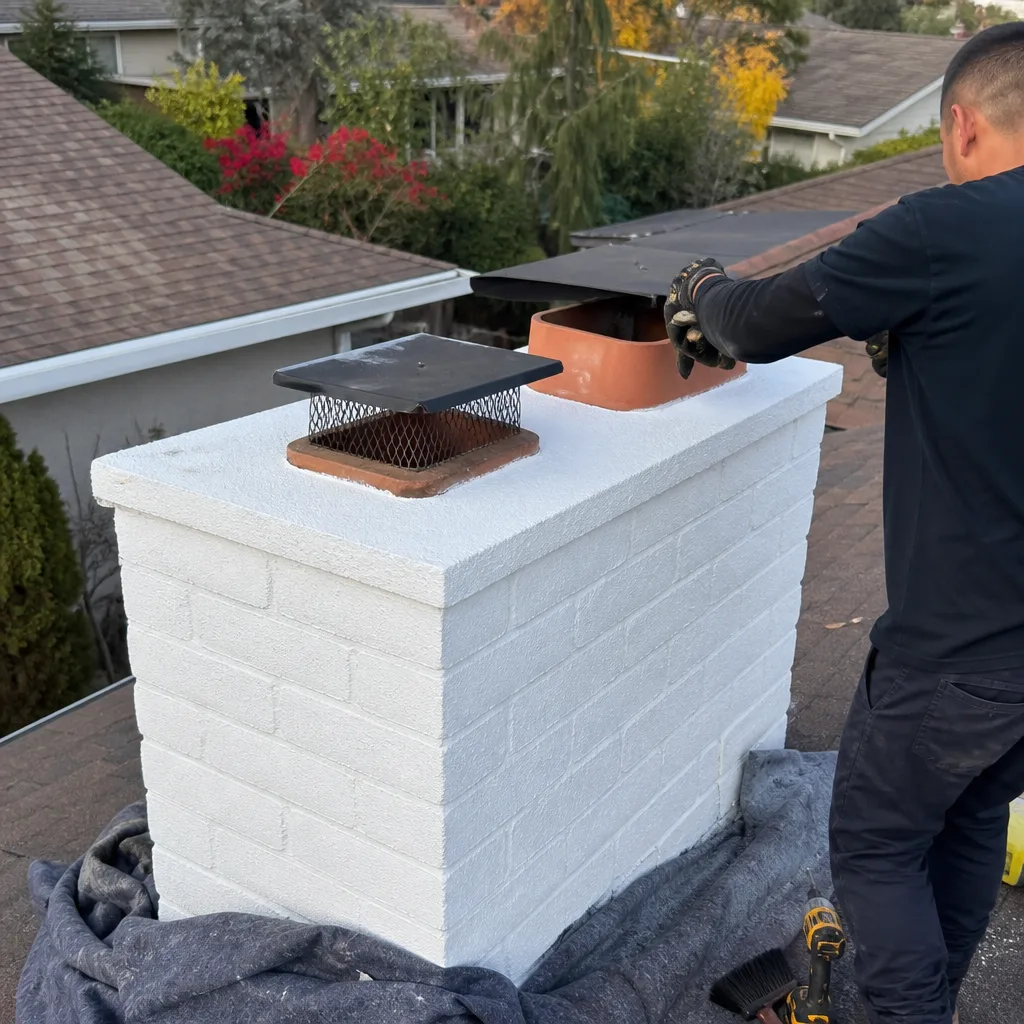
The fix in most cases is a properly fitted chimney cap with a full-width mesh screen. A missing cap, or one that is cracked, rusted through, or sized incorrectly, lets in rain, humidity, and debris. We source caps and terminations from Copperfield and Famco because the mesh gauge and stainless construction hold up to years of Southern California sun and salt air without rust-through. Big-box caps are often galvanized and start corroding within two or three seasons.
There is a secondary cause worth checking: if your chimney lacks a cap and has a clay tile liner, those tiles absorb moisture over years. That absorbed moisture then evaporates back into the flue whenever the air warms, creating a persistent musty smell that sweeping does not touch. The permanent fix is a cap, and in some cases, a resurfaced or relined flue. HeatShield is a liner resurfacing system we install that seals the flue walls and stops moisture absorption at the source, a solution most sweep-only companies cannot offer.
Creosote Buildup: Understanding Stage 1, 2, and 3 Before You Sweep
Creosote is not one substance. It forms in three distinct stages, and each requires a different removal technique. Misidentifying the stage is where DIY attempts go wrong, sometimes dangerously wrong.
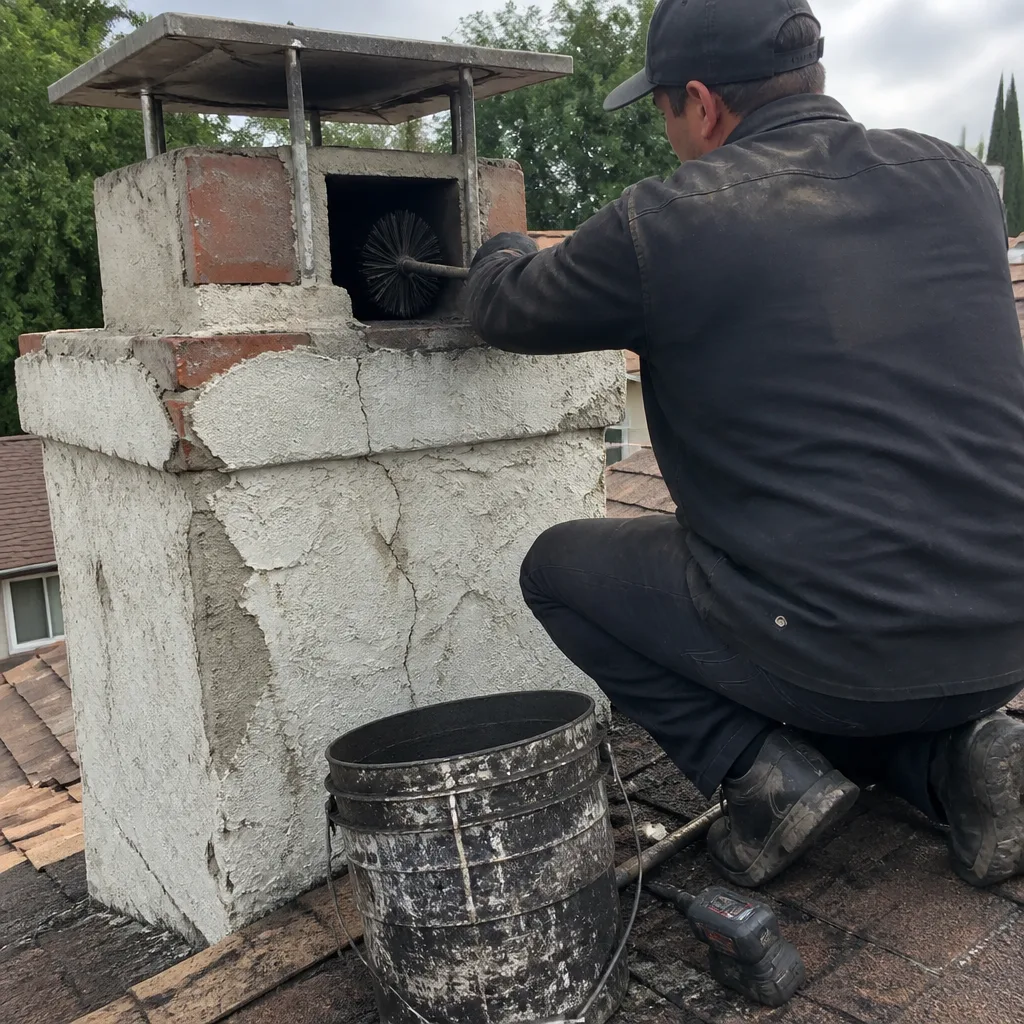
- Stage 1: Flaky soot. This is dry, brushable powder and flakes. It comes off easily with standard sweeping rods and brushes. Most fireplaces that burn seasoned hardwood and are swept annually will have Stage 1 or early Stage 2 deposits.
- Stage 2: Crunchy, tar-like flakes. This has more mass and density. It still comes off with mechanical brushing, but it takes more passes and the right brush type. It forms when fires burn cooler or wood is not fully seasoned.
- Stage 3: Glazed, solidified tar. This is the stage most homeowners do not recognize. It looks like a shiny, black, glassy coating baked onto the flue walls. It can be an inch thick in severe cases. Standard wire brushes cannot remove it. In fact, running a brush over glazed creosote can polish it harder, making removal more difficult for a professional later. Stage 3 requires chemical treatment first (a creosote modifier applied and allowed to work over several fires), then specialized rotary cleaning with chains or a loop system, not brushes.
The practical takeaway: if you shine a light up the flue and see shiny black glass, do not attempt a standard sweep. Call a professional who carries the right chemicals and rotary equipment. We work with Gelco products for creosote modification because they are designed for exactly this application. The cost difference between a standard sweep and a Stage 3 removal is significant, but the alternative, attempting to brush it and leaving a flammable glaze in place, is a fire risk that no homeowner should accept.
Water Stains, Efflorescence, and Deteriorating Mortar: Structural Red Flags
Water is the chimney’s worst enemy, and the signs show up long before a leak becomes obvious. Here are the symptoms to look for and what each one means.
- Efflorescence. White, chalky mineral deposits on the exterior brick or on the firebox walls inside. This means water is moving through the masonry and depositing minerals as it evaporates. It is a sign of chronic moisture, not a cosmetic issue. Left alone, the water continues working deeper into the structure.
- Spalling brick or flaking mortar. When water freezes (rare in Winnetka but possible during cold snaps) or simply cycles through heat and cooling, it expands and contracts inside the brick pores, causing surface flaking. Crumbling mortar joints between bricks indicate years of water exposure and loss of structural integrity.
- Water stains on the ceiling near the chimney chase. This means water is penetrating around the flashing, the cap, or the crown, traveling down the outside of the flue, and entering the house. By the time you see a ceiling stain, the leak has been active for a while.
- Damp smell in the firebox after rain. Direct proof of water entry through the top of the chimney or around the flashing.
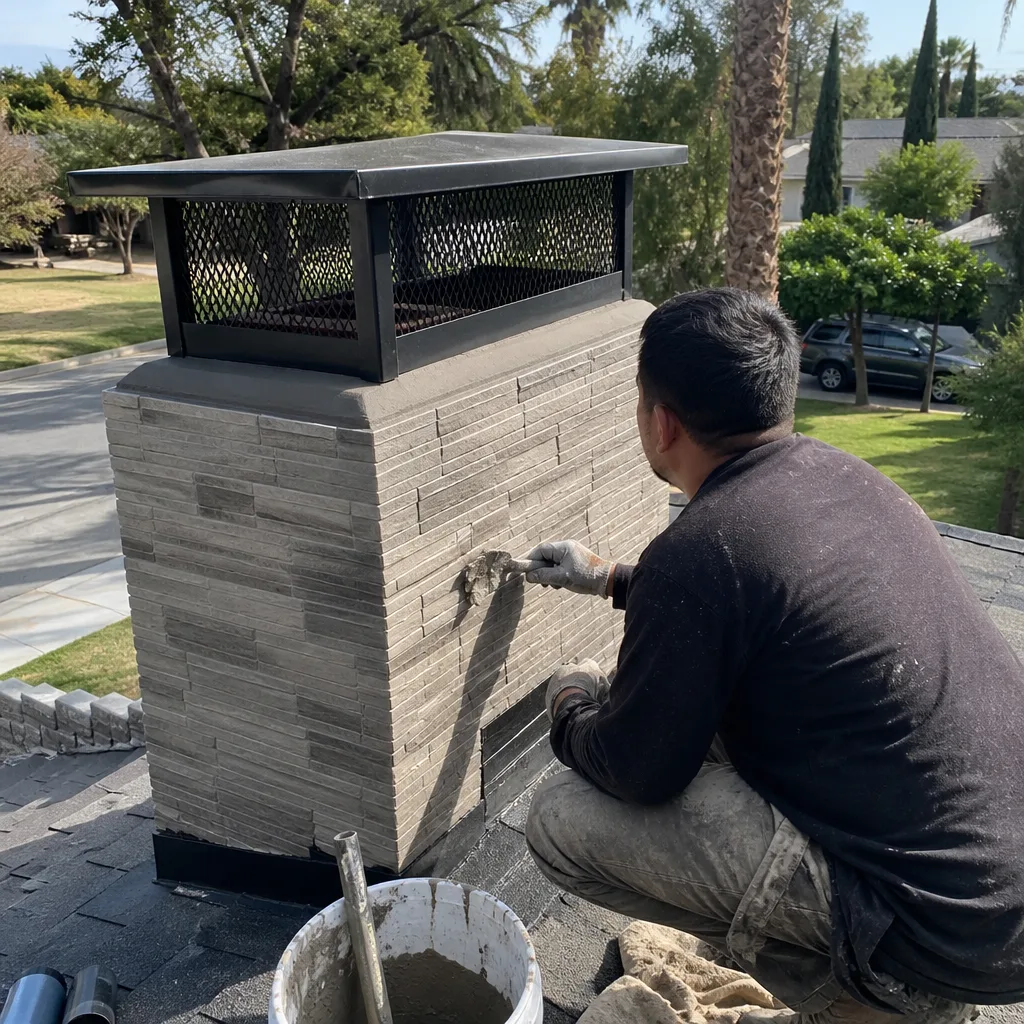
These are not maintenance items. They are structural repairs. In our experience, Winnetka homeowners can be surprised by how readily a small flashing gap or cracked crown turns into a masonry problem, because Southern California’s dry climate masks the damage during most of the year. The inspection we perform as part of every sweep is built to catch these signs before they turn into ceiling repairs. For the repair side of what we do, see Chimney Repair in Winnetka.
Makeup Air and Negative Pressure: When Your House Is the Problem
Here is the scenario we see regularly: a homeowner in a newer Winnetka subdivision calls about smoke backdrafting. They have had the chimney swept twice. The problem persists. They are frustrated. Then we ask one question: does the smoke roll back only when the furnace is running, the bathroom fan is on, or the dryer is going?
Nearly always, the answer is yes.
Modern construction codes mandate tighter homes for energy efficiency. That means fewer gaps around windows, better door seals, more insulation. Good for your utility bill, bad for your fireplace. A fire needs roughly 100 to 200 cubic feet of air per minute to burn cleanly and draft upward. In an older leaky home, that air comes in through every crack and gap naturally. In a tight, newer home, that air has nowhere to enter, so the fire starts pulling from the only large opening available: the chimney. The draft reverses. Smoke comes into the room.
The diagnostic is simple. Light a fire with every exhaust appliance off. Close all windows and doors. If the draw is weak or the smoke hesitates at the throat of the fireplace, crack open a window in the same room. If the draw improves noticeably within seconds, you have a negative pressure problem. The chimney is fine. The issue is the house.
Permanent solutions include installing a dedicated makeup air vent piped to the fireplace area, or in some cases a glass door set that reduces the air volume the fire can pull. This is not a job for a generalist. It requires someone who understands fireplace air dynamics, not just someone who runs brushes. When we diagnose a pressure problem in a Winnetka home, we walk through these options with the homeowner rather than selling a sweep that will not solve anything.
Damper Failure and Mechanical Issues: Symptoms Often Misread as Draft Problems
Dampers are simple mechanical devices, but they live in a brutal environment: direct flame heat, acidic creosote vapor, and years of open-close cycles. They fail in predictable ways.
- Throat dampers rust through. The metal plate eventually corrodes to the point where it will not seal or will not open fully. You will see rust flakes in the firebox, or the damper handle will have excess play.
- Top-sealing dampers fail at the cable or the seal. Top-mount dampers are better for energy efficiency because they seal the flue at the top, but the cable mechanism can bind or the gasket can degrade. Symptoms include a damper that will not fully open (choking the draft) or one that will not seal (letting in cold air and humidity).
- Warped damper plates. Over time, direct heat can warp a cast-iron damper plate. A warped plate never seats or opens cleanly. It partially obstructs the flue opening no matter what position the handle is in.
Any of these will cause poor draw, smoke spillage, or persistent drafts when the fireplace is not in use. They are also frequently misdiagnosed as creosote issues. The fix is damper replacement, not sweeping. We carry replacement dampers and top-seal systems, and the installation is usually a same-day repair once we confirm the failure during a standard inspection.
Animal Nests and Debris Blockages: What Sticks, What Smells, and What to Do
Chimneys without caps, or with damaged caps, are open invitations. Birds build nests in the flue during spring. Raccoons find their way down and get stuck. Leaves, twigs, and debris accumulate. Each of these causes a distinct symptom set.
A bird nest in the flue often causes a slow-burning smell when you light a fire, because nest material smolders before it fully ignites. It can also cause a partial blockage that weakens the draft. A raccoon or squirrel trapped in the flue will produce noise (scratching, chittering) and an unmistakable odor if the animal dies. Debris from a nearby tree without a cap produces cold drafts and moisture issues long before you ever light a fire.
The first step is a visual inspection from the top, which requires getting on the roof or using a camera system. We run a camera up every flue during an inspection so we can see exactly what is in there and where. Removing an animal should be left to a professional who can handle the animal safely and humanely. Removing a nest or debris requires a proper chimney cleaning and usually the installation of a new cap to prevent recurrence. A cap from Copperfield or Famco with a proper mesh screen is the standard fix, and it eliminates the cycle of clean-rebuild-clean that happens with uncapped chimneys.
DIY Checks vs. Professional Diagnosis: Where to Draw the Line
There is a set of checks any homeowner can do safely from the ground or the hearth, and a set that belongs to a professional. Knowing the difference saves money and prevents injury.
Safe DIY Checks
- The flashlight check. With the damper open, shine a bright flashlight up the flue from inside the firebox. You are looking for obvious blockages, shiny black glazing, or a damper plate that is visibly in the way.
- The window test. When backdrafting happens, crack a window in the same room and see if the draft improves. This confirms or rules out negative pressure in about ten seconds.
- The visual exterior check. From the ground, look for missing bricks, large cracks, a leaning chimney structure, or visible rust on the cap.
- The paper test. Light a small rolled piece of newspaper and hold it near the throat of the fireplace with the damper open. If the smoke goes up, your draft is functioning. If it comes back into the room, you have a draft or blockage problem.
Leave to a Professional
- Anything requiring a ladder onto the roof. Falls from even single-story roofs are a leading cause of home-injury deaths.
- Removing or inspecting anything inside the flue beyond what a flashlight shows. Flue inspection requires cameras and, in many cases, specialized tools to dislodge debris without damaging the liner.
- Applying chemical creosote treatments. These chemicals are designed to work with heat and specific application methods. Improper use can damage the flue or fail to work at all.
- Any structural repair involving mortar, flashing, or the crown. These are not handyman jobs. The materials, the technique, and the safety equipment are all specialized.
We have walked into Winnetka homes where a homeowner spent a weekend and several hundred dollars on a DIY fix that failed within a month because the root cause had been misidentified. A professional inspection costs less than a wrong repair, and it gives you a clear picture of what is actually wrong before anyone spends money on a fix. The best first call is to Chimney Sweep Winnetka home services for a camera inspection that shows you exactly what is going on inside your flue.
Common Mistakes to Avoid
- Sweeping a Stage 3 glaze with a standard brush. This polishes the creosote harder and makes professional removal more difficult. If you see shiny black glass, stop and call a pro who carries chemical modifiers.
- Assuming smoke means dirty. In Winnetka’s newer construction, smoke backdraft more often traces to negative house pressure than to creosote. Test with the window method before paying for a sweep.
- Buying a big-box chimney cap. Galvanized caps from retail stores corrode fast in Southern California’s coastal influence and intense sun. Professional caps from Copperfield or Famco use stainless steel rated for the exposure.
- Burning unseasoned wood. Wet wood produces low-temperature fires that deposit creosote rapidly. Wood should season for at least six months, ideally twelve, before burning.
- Ignoring summer odors as a coincidence. A musty summer smell is water or humidity in the flue, full stop. It will get worse every season until the cap or liner is addressed.
- Using a fireplace insert without checking the flue size. Many inserts are installed in flues sized for open fireplaces, which creates weak draft and chronic backdraft. This is a flue sizing issue, not a maintenance problem.
- Calling a generalist for a chimney-specific problem. Chimney work involves fire codes, clearances, and material standards that a general handyman rarely carries. The right credential and the right trade brands matter.
See the difference
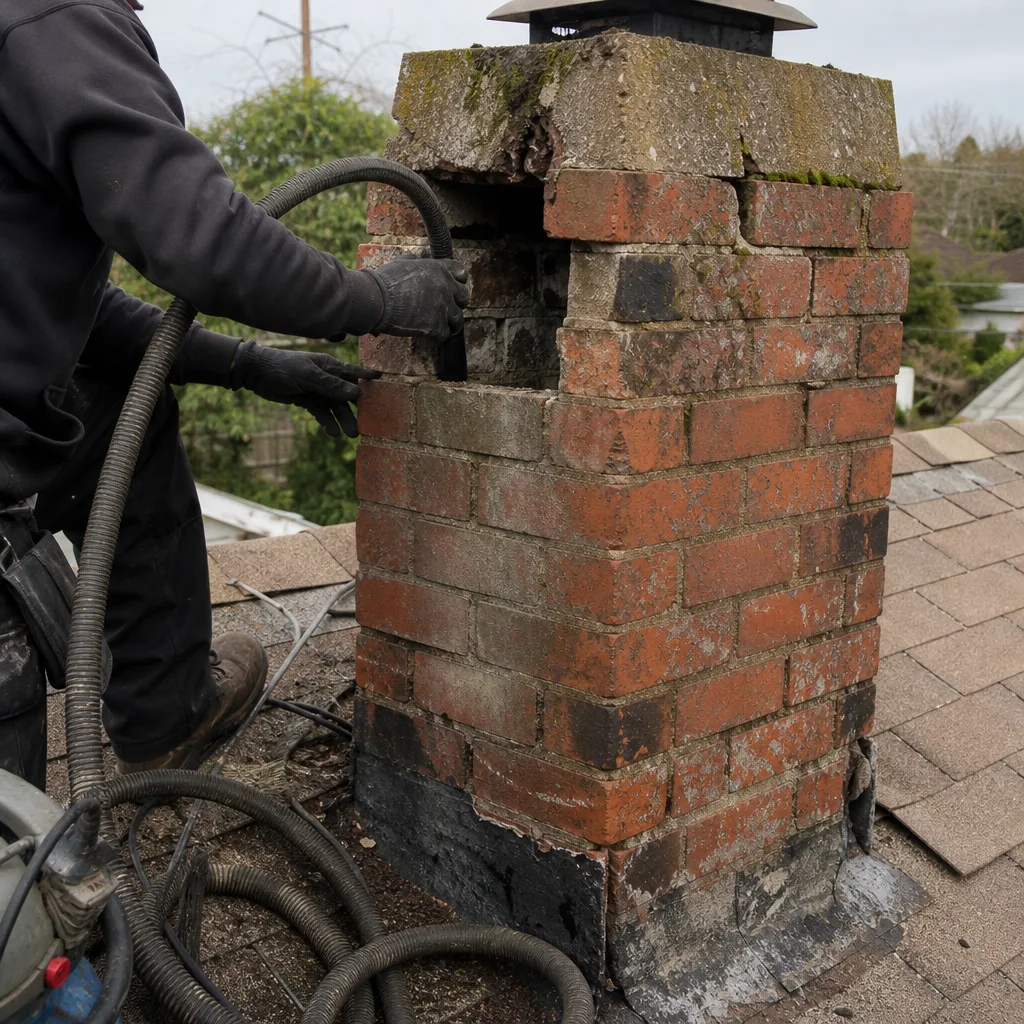 Before
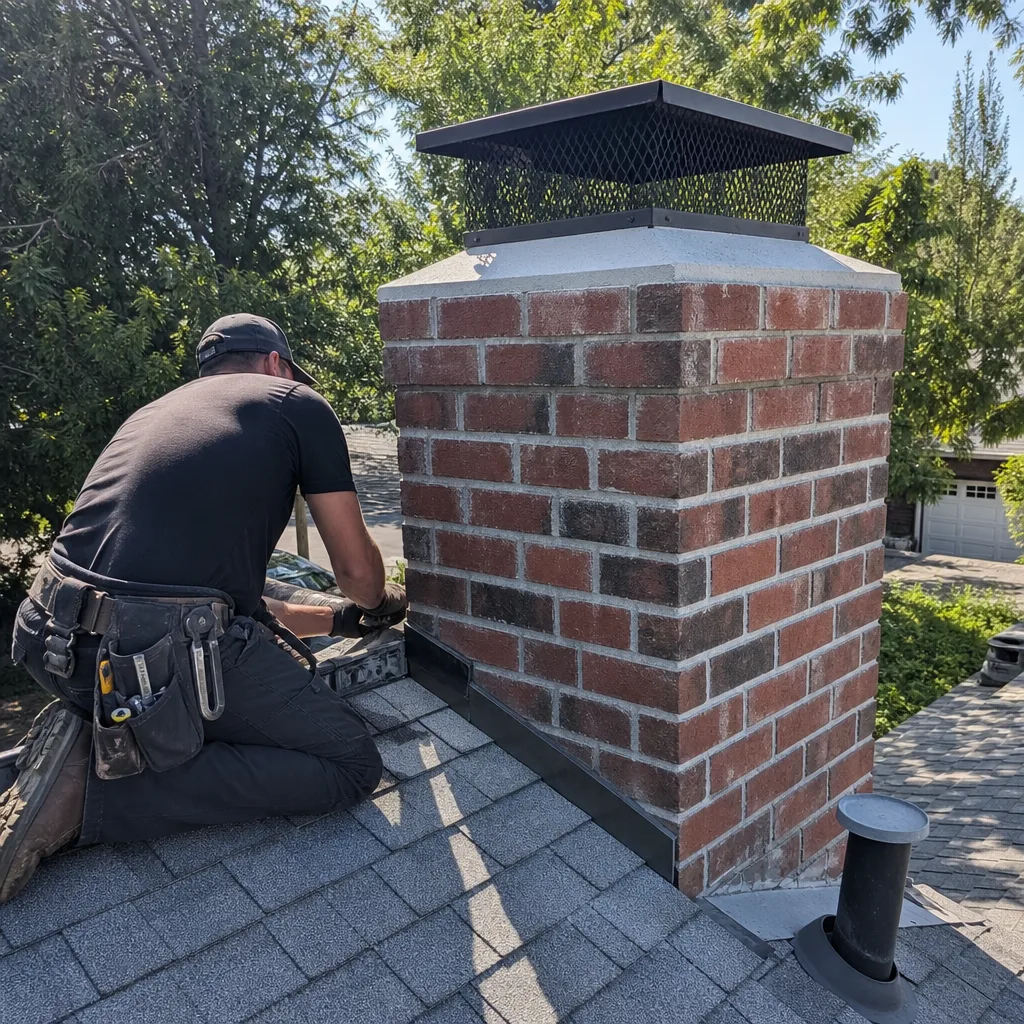 After
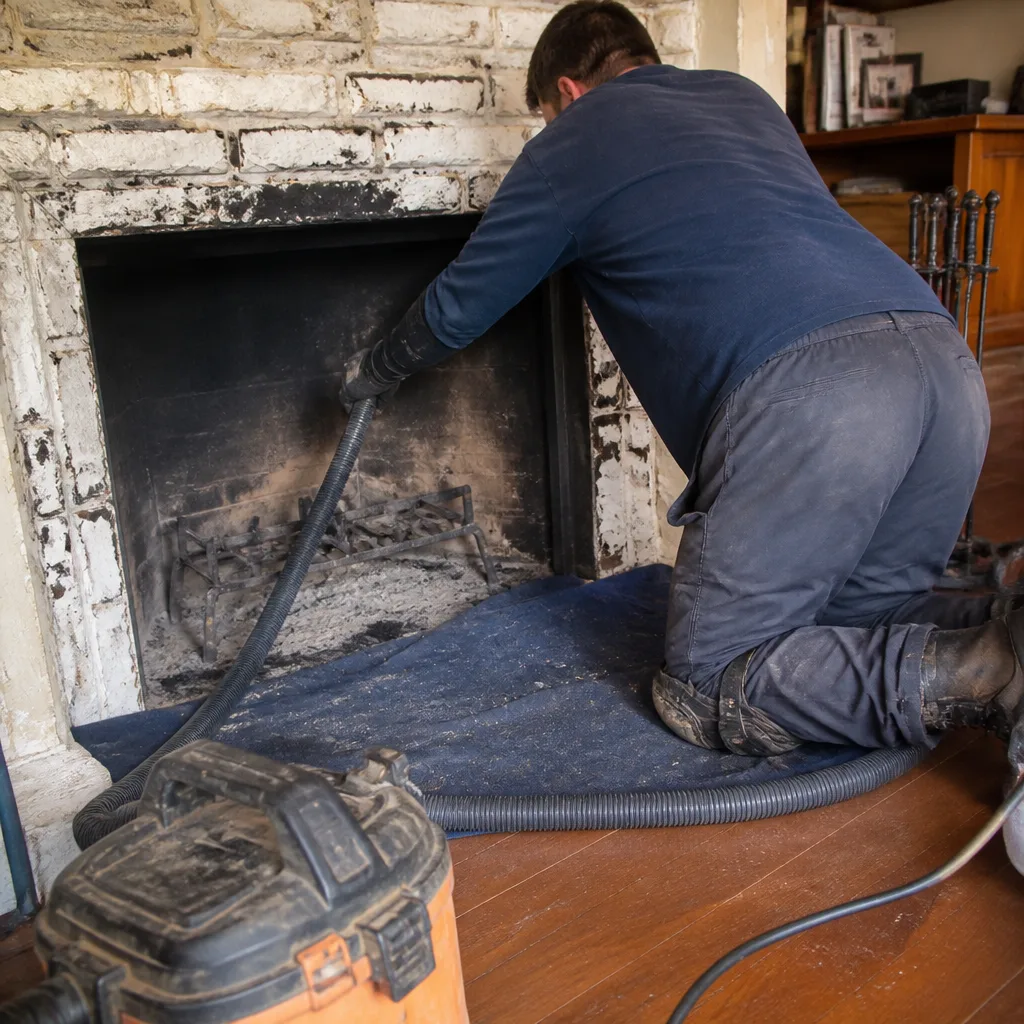 Before
 After
 Before
 After
When to Call a Professional
Call a chimney professional when you see Stage 3 glazed creosote, water stains or efflorescence on the chimney or ceiling, smoke backdraft that does not improve with an open window, or an animal you cannot see but can hear. These are not DIY situations, and the cost of delay compounds quickly. A small damper replacement today is cheaper than water damage and masonry repair next year. Chimney Sweep Winnetka offers free estimates in Winnetka, call (877) 939-1446 to schedule a camera inspection. You will see exactly what is in your flue and exactly what needs to happen next.
Frequently Asked Questions
A standard chimney sweeping in Winnetka typically ranges from $150 to $300 depending on the flue size, accessibility, and creosote stage. Stage 3 glazed creosote removal runs higher because it requires chemical treatment and rotary equipment. Call (877) 939-1446 for an exact quote for your fireplace, the estimate is free and includes a camera inspection so you know what you are paying for before work starts.
Not always, and you should never accept a liner recommendation without camera evidence showing cracks, gaps, or deteriorated mortar joints in your existing liner. A competent chimney professional will show you the footage and explain exactly what they are seeing. In some cases, a liner can be resurfaced with HeatShield rather than fully replaced, which may be a more cost-effective option depending on the condition.
The National Fire Protection Association standard is an annual inspection, with sweeping performed when creosote reaches 1/8 inch of accumulation or when Stage 2 or 3 deposits are present. For a wood-burning fireplace used regularly through the winter in Winnetka, that usually translates to a sweep every one to two burning seasons. Gas fireplaces need less frequent cleaning but still benefit from an annual inspection of the venting and cap.
Creosote accumulates in the flue and becomes fuel. A hot fire can ignite that creosote, creating a chimney fire that reaches temperatures high enough to crack flue tiles, melt mortar, and spread into the home’s framing. Water intrusion goes unnoticed and deteriorates the masonry from inside the structure. The repairs become structural instead of routine. The annual inspection is cheap insurance against both scenarios.
Yes. Lint accumulation in a dryer vent is one of the leading causes of residential fires in the United States, and restricted dryer vents also force the dryer to work harder, which shortens its life and raises energy costs. The same principles apply as with chimneys: restricted airflow, flammable buildup, and heat in an enclosed space. We handle dryer vent cleaning as part of our fire-safety service line, see Dryer Vent Cleaning in Winnetka for details.
The Bottom Line
Chimney problems are rarely what they first appear to be. Smoke in the living room can mean a dirty flue, a failed damper, or a house that is too tight for its own fireplace. Summer odors point to the cap, not the flue. Shiny black creosote needs chemistry and rotary equipment, not brushes. The most valuable step in any chimney problem is accurate diagnosis before any work happens. A camera inspection gives you certainty about what is happening in the flue, and a professional who carries professional-grade materials, DuraFlex liners, HeatShield resurfacing, Gelco treatments, Copperfield and Famco caps, ensures the fix is built to last. Get the diagnosis first. The fix will be obvious after that. For related topics, see our more guides & resources.
Written by the team at Chimney Sweep Winnetka, serving Winnetka since 2014.