
Last updated November 2, 2026
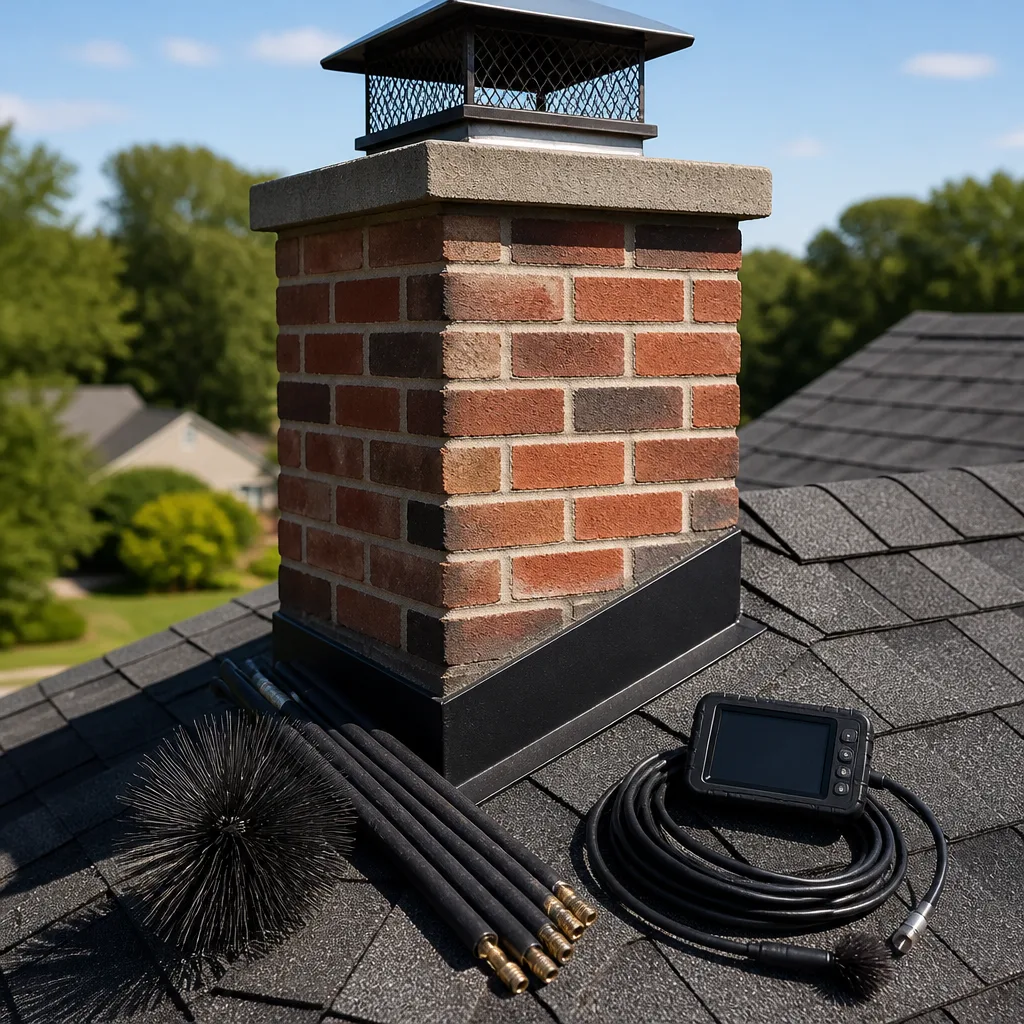 Sweep & inspection
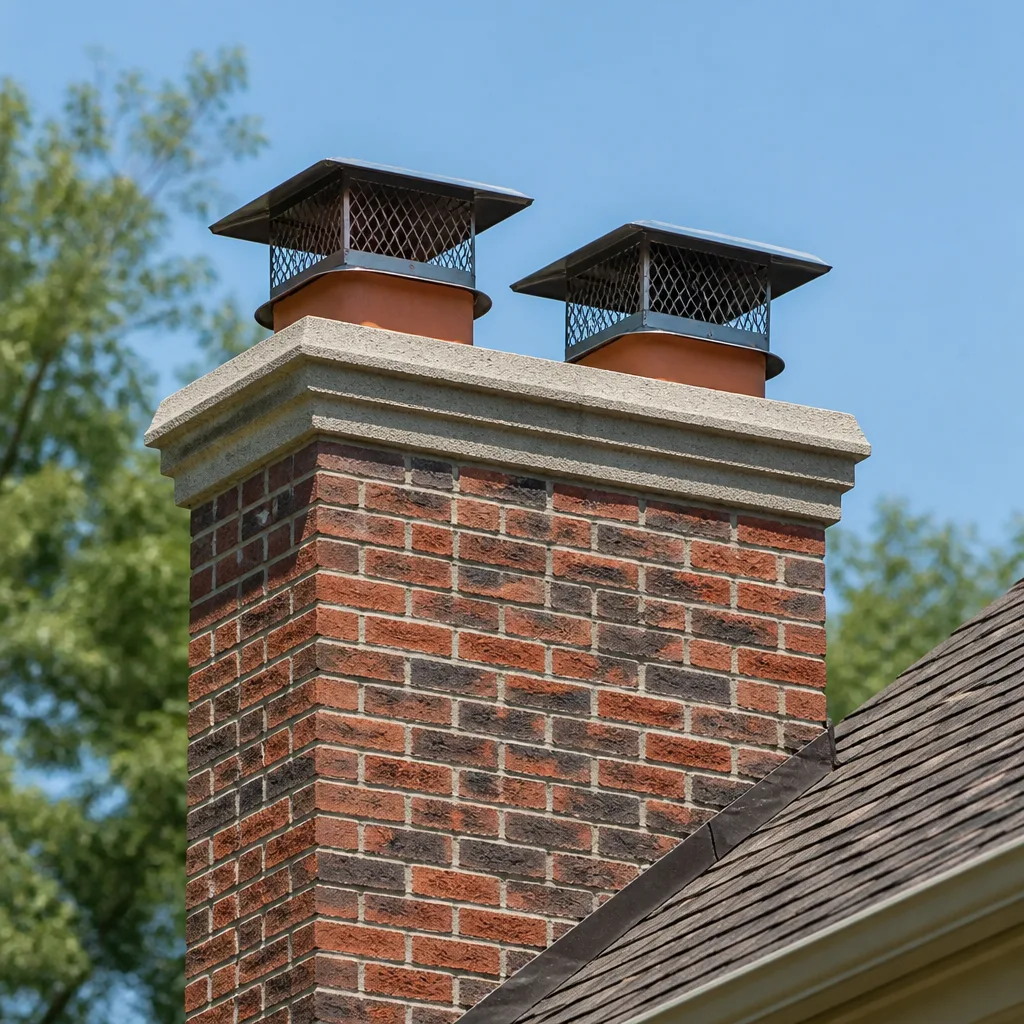 Caps & crowns
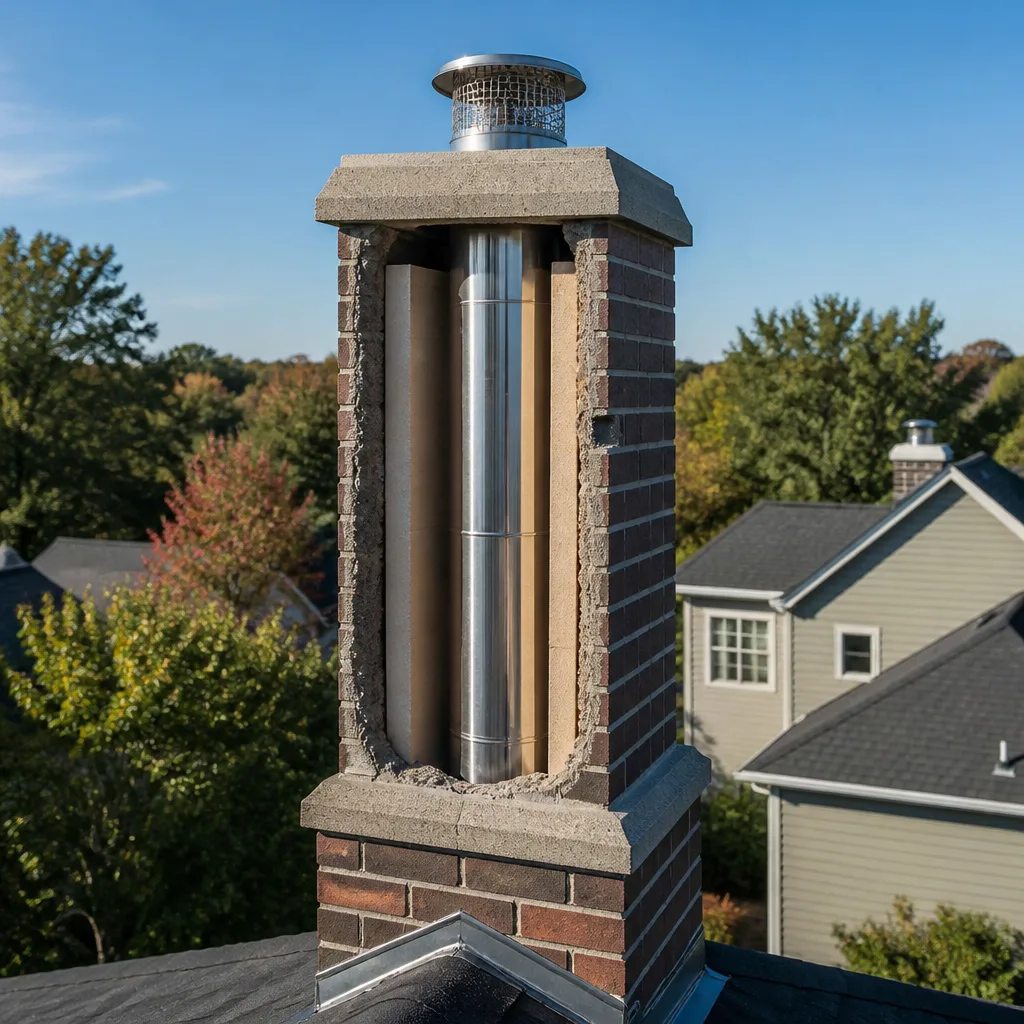 Flue relining
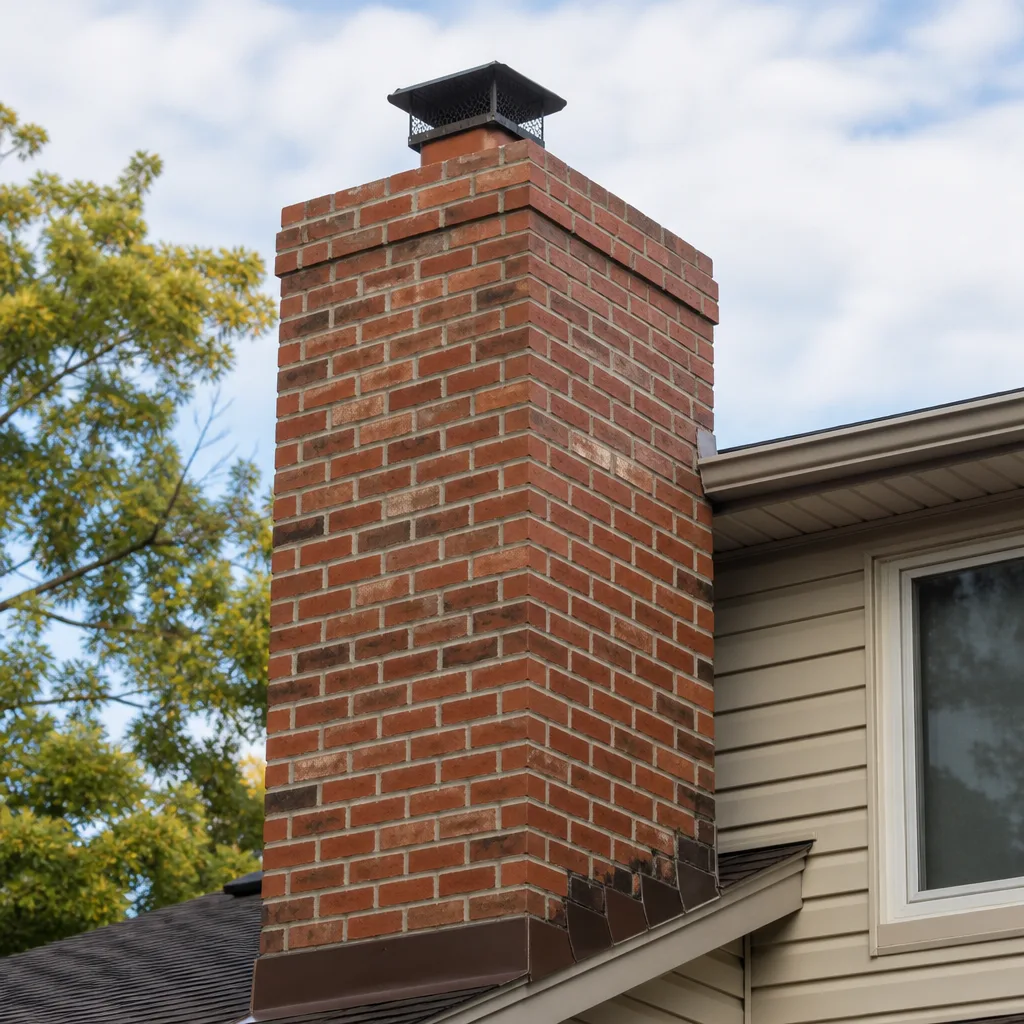 Masonry repair
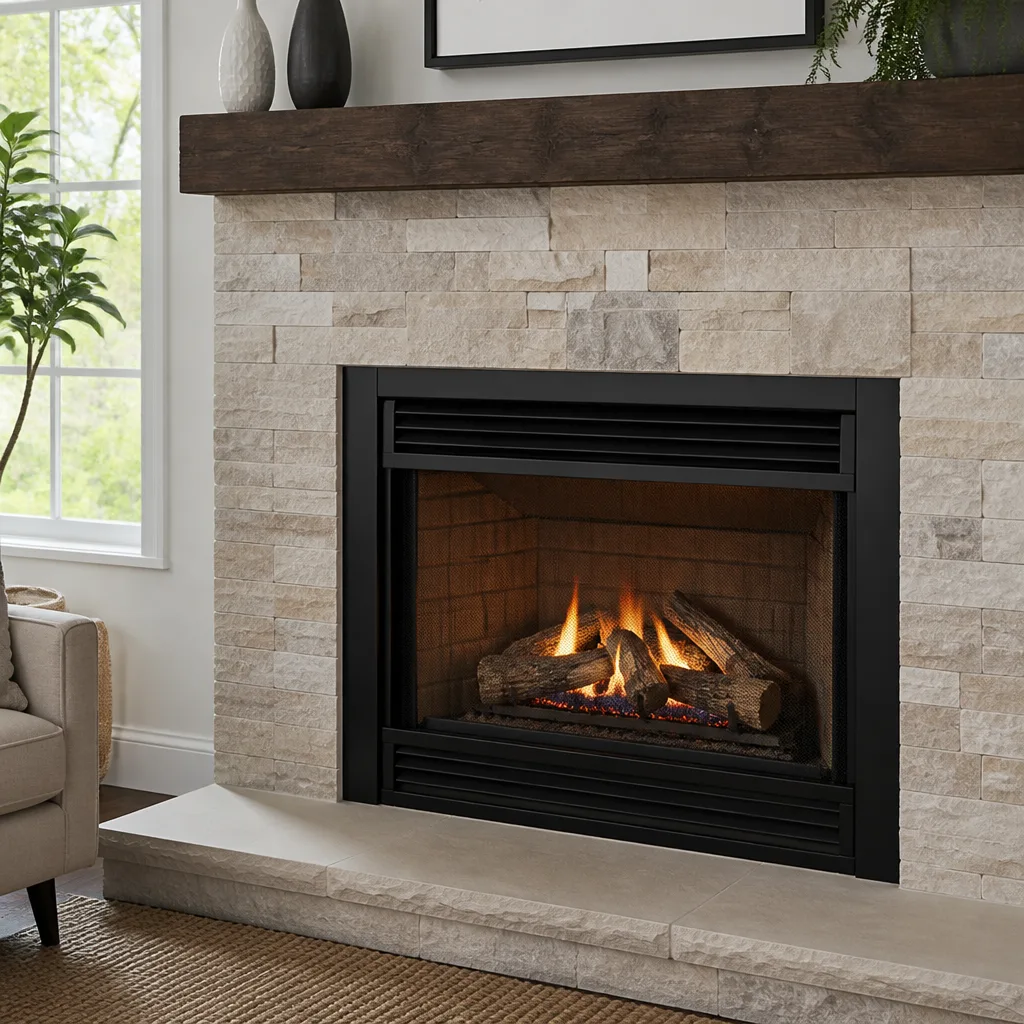 Gas fireplace service
Level 1 sweep and inspection to the NFPA 211 annual standard - flue, crown, cap, and flashing checked and photographed
Chimney sweep logs do not sweep chimneys. They loosen some creosote - which then falls where a brush and vacuum still have to collect it.
Chimney Sweep Maintenance Checklist for Winnetka Homeowners
The damper is the most inspected-by-feel, least actually-inspected component in most Winnetka fireplaces. Homeowners open and close it dozens of times each season and assume it works until smoke starts backing up into the room. By then, the problem has usually been developing for months. This guide gives you a diagnostic framework, not just a calendar reminder. You’ll learn exactly what to check from the ground, what to look for inside the firebox with a flashlight, and which specific findings mean it’s time to pick up the phone. We’ve structured it around the way chimney problems actually develop in Winnetka’s climate, so you can catch issues before they become repair bills.
Quick Answer
A chimney maintenance checklist for Winnetka homeowners should cover four zones: exterior crown and cap condition, interior damper and firebox integrity, creosote accumulation thresholds, and seasonal timing. Check the exterior from the ground every season, inspect the firebox with a flashlight monthly during burn season, and schedule a professional sweep and inspection annually, ideally in September before the first fire of fall.
Key Takeaways
- Check the damper with a flashlight, not your hand, at least twice per burn season
- Efflorescence (white staining) on exterior brick signals water infiltration, not cosmetic aging
- Any creosote buildup thicker than 1/8 inch means a sweep is overdue
- Document findings with dated photos so you and your technician can track changes over time
- September is the critical month for Winnetka chimney preparation, not spring
Styles & brands we work with
- Sweep & inspection
- Caps & crowns
- Flue relining
- Masonry repair
- Gas fireplace service
Table of Contents
- Exterior Inspection Points You Can Check From the Ground
- Interior Checks That Require No Tools
- Creosote Accumulation: When to Monitor vs. When to Call
- How to Document Findings With Dated Photos
- Seasonal Timing for Winnetka: Why September Matters More Than Spring
- Common Mistakes to Avoid
- When to Call a Professional
- Frequently Asked Questions
Exterior Inspection Points You Can Check From the Ground
You don’t need a ladder to catch most developing chimney problems. A careful walk around your Winnetka home with your phone camera will reveal more than you might expect. The key is knowing what actually matters versus what’s just normal aging. Chimney Sweep services see the same exterior warning signs season after season, and the pattern is consistent: homeowners who catch these early pay for a minor fix. Homeowners who miss them pay for a rebuild.
The Cap
Your chimney cap is the first line of defense against rain, animals, and debris. From the ground, look for these specific conditions:
- Missing or shifted cap: If you can see an open flue from the ground, your cap is either missing or severely damaged. This is a call-now situation, especially in Winnetka’s wet winter months.
- Rust stains running down the chase or crown: Rust means water is getting where it shouldn’t. The cap itself may be failing, or the mounting hardware is deteriorating.
- Visible animal activity: Birds perched on the cap repeatedly, nesting material hanging from the edges, or any animal entering or leaving the flue. A chimney sweep in Winnetka can install proper animal guards and assess interior damage from nesting.
The Crown
The crown is the concrete slab that seals the top of the chimney structure around the flue. It’s designed to shed water away from the flue and the masonry below. When it cracks, water gets in. In Winnetka, where winter rain is followed by summer heat, freeze-thaw cycles accelerate small cracks into structural problems.
What to look for from the ground:
- Hairline cracks visible from below: You can often see these as dark lines against the concrete, especially after rain when the crack holds moisture and darkens.
- Pieces of concrete on the roof or ground near the chimney: Crown spalling (chunks breaking off) is an advanced-stage problem.
- Gaps between the flue and crown: If you can see light through this gap, water is entering the chase.
Efflorescence on Brick
That white, chalky staining on exterior brick is efflorescence, and it’s one of the most commonly misread signs in Winnetka homes. It’s not cosmetic aging. It’s mineral deposits left behind when water migrates through masonry and evaporates. The water is moving through your chimney structure, and over time it weakens mortar joints and, in cold snaps, spalls the brick faces.
- Light, patchy efflorescence: Monitor and photograph. This is early-stage water intrusion.
- Dense, widespread efflorescence: Call for a professional assessment. Sustained water movement through masonry is compromising the structure.
- Efflorescence that reappears after cleaning: The water source is unresolved. Cleaning the stain without fixing the water path is just repainting.
What you can safely check from the ground tells you about half the story. The other half is inside.
Interior Checks That Require No Tools
Grab a flashlight, open the damper, and look. That’s the entire toolkit for these checks. No screwdrivers, no ladders, no specialty equipment. Here’s what a homeowner can meaningfully assess inside the firebox.
Damper Operation
Use the damper handle or lever to cycle the damper fully open and fully closed several times. Watch the movement with your flashlight.
- Stiff or grinding movement: The damper mechanism is corroding or warping. In Winnetka’s wet winters, dampers rust faster than homeowners expect, especially if the cap has been compromised.
- Damper that won’t seat fully closed: Even a small gap lets conditioned air escape up the chimney year-round. You’re paying to heat and cool the outdoors.
- Visible gaps around the damper frame: The metal frame can separate from the flue liner over time. Smoke and carbon monoxide can bypass a “closed” damper.
If the damper is stiff, corroded, or not seating properly, this is a repair item, not a maintenance item. A chimney repair in Winnetka can address damper issues before they become a safety or efficiency problem.
Firebox Joint Integrity
Shine your flashlight along the joints between firebrick in the firebox. These mortar lines are the seams that hold the firebox together.
- Hairline cracks in mortar joints: Monitor. Small surface cracks are common and often stable.
- Gaps wider than the edge of a nickel: This is a call situation. Those gaps allow heat to reach the materials behind the firebox structure, and the problem accelerates with every fire.
- Missing mortar sections: If you can see the back of the firebrick, you’re looking at direct heat exposure to chimney structure. Call before the next fire.
- Loose firebrick: Any brick that moves when you press it (with a fireplace that’s completely cold) is a structural failure in progress.
Smoke Shelf Debris
The smoke shelf is the flat area just above the damper, behind the firebox opening. You can often see it by kneeling and shining your flashlight upward through the damper opening.
- Visible soot accumulation deeper than 1/8 inch: This is normal to a degree, but heavy buildup means the last sweep was too long ago.
- Debris that isn’t soot: Leaves, twigs, animal nesting material, or anything that looks like it didn’t come from a fire. This means the cap has been compromised.
- Water staining or rust on the smoke shelf: Water has been entering the flue. This is a cap or crown issue that needs addressing.
These interior checks are simple enough to do before each burn season and again mid-season. The hardest part is remembering to do them before lighting the first fire, not after.
Creosote Accumulation: When to Monitor vs. When to Call
Creosote is the residue left behind when wood smoke condenses inside the flue. Every fire creates some. The question is how much is acceptable, and the answer depends on the stage of creosote you’re dealing with.
The Three Stages of Creosote
- Stage 1: Flaky soot. This is normal residue that brushes off easily during a routine sweep. It’s what accumulates during a typical burn season with dry, seasoned wood.
- Stage 2: Crusty, tar-like deposit. This forms when flue temperatures run lower or wood moisture runs higher. It’s harder to remove and significantly more flammable.
- Stage 3: Glazed, shiny creosote. This is a hard, baked-on layer that resembles black glass. It’s extremely flammable and requires professional removal with specialized tools and treatments.
Thresholds for Action
- Any visible stage 2 or stage 3 creosote: Call for a sweep. This is not a monitoring situation.
- Stage 1 accumulation thicker than 1/8 inch: Schedule a sweep. The flue diameter is being reduced and the fuel load is increasing.
- Unburned wood smell persisting days after the last fire: This can indicate creosote buildup or incomplete combustion. A professional should assess.
- Smoke entering the room more readily than last season: Reduced draft often correlates with flue restriction from creosote. Don’t wait until smoke fills the living room.
Winnetka homeowners who burn soft woods, burn green wood, or use their fireplace daily during winter should expect faster creosote accumulation. Hard, seasoned hardwoods burned hot produce less creosote per fire. But no wood fires produce zero creosote, which is why the annual sweep recommendation exists regardless of burning habits. For help selecting a provider, see our guide on Choosing the Right Chimney Cleaning Brand: A Buyer’s Guide for Winnetka.
How to Document Findings With Dated Photos
A technician who visits your Winnetka home sees a snapshot. They can tell you what’s wrong right now, but they can’t see the rate of change. That’s where your photos come in. Dated photos turn a single point-in-time assessment into a trend line, and trend lines tell the real story.
What to Photograph
- Exterior views from each side of the home: Take the same angles every time. You want comparable images.
- Close-ups of any crack, stain, or gap you’ve identified: Include a coin or ruler in the frame for scale.
- Firebox photos from the same position each check: Stand at the same spot, aim at the same angle.
- Smoke shelf photos through the damper opening: This one takes some awkward positioning, but it’s the most useful interior reference.
How to Keep the Record Useful
Keep it simple. A folder on your phone labeled “Chimney” with dated photos does the job. When you schedule a professional visit, show the technician your photo history. We’ve found this is genuinely useful: a crack that’s been stable for a year is different from one that’s widened visibly in three months. The first gets monitored. The second gets repaired. Without your photos, both look the same on inspection day.
The same documentation habit helps after any work is done. Photograph the completed repair or sweep. You now have a baseline for the next season.
Seasonal Timing for Winnetka: Why September Matters More Than Spring
Spring cleaning is a fine concept for closets and gutters. But for chimneys in Winnetka, the critical moment is September. Here’s why: autumn rains arrive, temperatures drop, and the first fire of the season gets lit. Any problem that developed over the summer sits between you and a safe burn season.
September: The Pre-Burn-Season Check
- Complete the exterior inspection. Look for cap damage, crown cracks, and efflorescence before fall rain starts.
- Complete the interior checks. Damper, firebox joints, smoke shelf.
- Schedule the professional sweep. If you’re on an annual schedule, September is when it matters most. You want clean, inspected flues before the first fire, not after a month of burning.
- Check your supply of seasoned wood. Green wood creates more creosote. Firewood should be split and stacked under cover for at least six months before burning.
Winter: Mid-Season Monitoring
During burn season, check the firebox and damper monthly. Creosote doesn’t accumulate on a calendar schedule, and a month of heavy use can produce more buildup than a month of light use. Pay attention to draft changes, smoke rollout, and any new odors.
Spring: Post-Season Assessment
After the last fire has gone out and the chimney has cooled, do a final interior check. Note anything that changed over the burn season. If you see significant creosote accumulation or any new cracks, don’t wait until September to call. Booking in spring means scheduling flexibility, and you’ll head into fall with the chimney already addressed.
The annual sweep itself can happen in either September or spring. What matters is that it happens every year, and that September’s pre-season checks are not skipped. A chimney that was swept in April still deserves a visual check in September before the first fire.
Common Mistakes to Avoid
- Assuming the damper works because the handle moves. The handle can move freely while the damper plate is warped, corroded, or separated from its frame. Verify visually with a flashlight.
- Ignoring efflorescence as “just what old brick does.” White staining on masonry means water is moving through the structure. The brick isn’t aging. It’s eroding.
- Burning green or unseasoned wood because it’s available. This is the single fastest way to build stage 2 and stage 3 creosote in a Winnetka chimney. Seasoned hardwood only.
- Waiting until smoke fills the room to address draft problems. By the time smoke rolls out of the firebox, the draft restriction or flue issue has been developing for weeks or months. Earlier signs (increased smoke during startup, slower clearing after adding wood) were there first.
- Skipping the cap inspection because you can’t see it clearly from the ground. Walk to the far edge of the yard, stand across the street, or check from a neighbor’s vantage point. A missing cap is usually visible from somewhere at ground level.
- Assuming a fireplace that “works fine” doesn’t need sweeping. Creosote buildup doesn’t announce itself. It accumulates silently until the flue is significantly restricted. Annual sweeping is the maintenance schedule, not the response to a problem.
- Treating the chimney and the dryer vent as unrelated systems. Both are exhaust pathways, and both carry fire risk when neglected. A dryer vent cleaning in Winnetka is the same kind of scheduled maintenance as a chimney sweep, just for a different exhaust system.
When to Call a Professional
Some findings end the monitoring phase. If you see any stage 2 or 3 creosote, any firebox gap wider than a nickel, a missing or severely damaged cap, dense efflorescence, or a damper that won’t seat properly, call for a professional assessment. These are not conditions that resolve on their own. They get worse, and the cost of addressing them grows with every fire and every rain.
Chimney Sweep Winnetka offers free estimates in Winnetka. We stock professional-grade materials including Olympia Chimney, Gelco, Famco, and Copperfield components, so repair work uses brands built for the trade, not the hardware aisle. Call (877) 939-1446 to schedule an inspection or sweep.
Frequently Asked Questions
Once per year, minimum. The National Fire Protection Association standard calls for annual inspection and cleaning as needed, regardless of fuel type or frequency of use. Even a fireplace that’s only used occasionally still sees flue conditions that need checking. If you burn daily during winter or burn softer woods, you may need mid-season sweeping. The annual schedule is the baseline, not the ceiling.
A standard chimney sweep in Winnetka typically runs between $180 and $350, depending on flue size, creosote stage, and any access complications. Heavier creosote removal or additional services like cap replacement or damper repair increase the total. The sweep itself is the least expensive part of chimney ownership compared to the cost of a liner replacement or firebox repair. You’re paying for inspection and prevention, not just soot removal. Call (877) 939-1446 for an exact quote based on your chimney. Estimates are free.
Not always, which is why a camera inspection matters. A proper liner assessment shows you the inside of your flue. If you see cracks, gaps, or significant mortar deterioration in the camera footage, the recommendation is based on evidence, not sales pressure. If the liner is in acceptable condition, a sweep and monitoring is the right course. We perform camera inspections as part of our sweep service and show you exactly what we see. You should never feel like you’re being sold a repair you can’t verify. If the liner is damaged, products like HeatShield and DuraFlex relining systems offer repair options that don’t always require a full masonry rebuild.
Creosote accumulates, and creosote is fuel. A chimney fire can reach temperatures that crack flue liners, warp dampers, and damage surrounding structure without you ever knowing it happened until the damage is severe. Water intrusion through a cracked crown or missing cap causes long-term masonry degradation. Blocked flues from animal nesting cause carbon monoxide backdrafting into living spaces. These are not hypothetical outcomes. They are the routine findings on chimneys that haven’t seen professional attention for years. Maintenance now is cheaper than repair later, and it protects more than the chimney.
You can physically run a brush down a flue, but you can’t see what you’re missing and you can’t assess the condition of the liner, smoke shelf, damper, or crown while you’re doing it. Professional sweeping includes inspection equipment and training that catch problems before they become fires or structural failures. The sweep is also the moment when a trained eye evaluates everything from the cap to the firebox. Skipping that evaluation to save money on the sweep itself is a false economy. If you want to do something yourself, do the monthly visual checks described in this guide and explore more guides & resources on our blog. Leave the flue itself to a professional.
Winnetka’s autumn brings the first rains after a long dry season, which is exactly when compromised caps, crowns, and flashing start letting water in. September is the last reliable window to catch and address those issues before the wet season starts. It’s also the last opportunity to schedule professional service before the seasonal rush. Once fall arrives and fireplaces start getting used, wait times for sweeps and repairs stretch out across every service provider in the area. September gives you options. November gives you whatever’s left. Call (877) 939-1446 and book before the season turns.
The Bottom Line
A useful chimney maintenance checklist is a diagnostic framework, not a chore list. Check the exterior from the ground every season, inspect the interior firebox and damper monthly during burn season, and know exactly which findings move from “monitor” to “call now.” Document everything with dated photos so change over time is trackable. Schedule the professional sweep annually, ideally in September before Winnetka’s wet season and burn season arrive together. The Chimney Sweep Winnetka home team provides full chimney sweeping, repair, and dryer vent cleaning for Winnetka homeowners with professional-grade materials and straight answers.
Written by the team at Chimney Sweep Winnetka, serving Winnetka since 2014.
See the difference
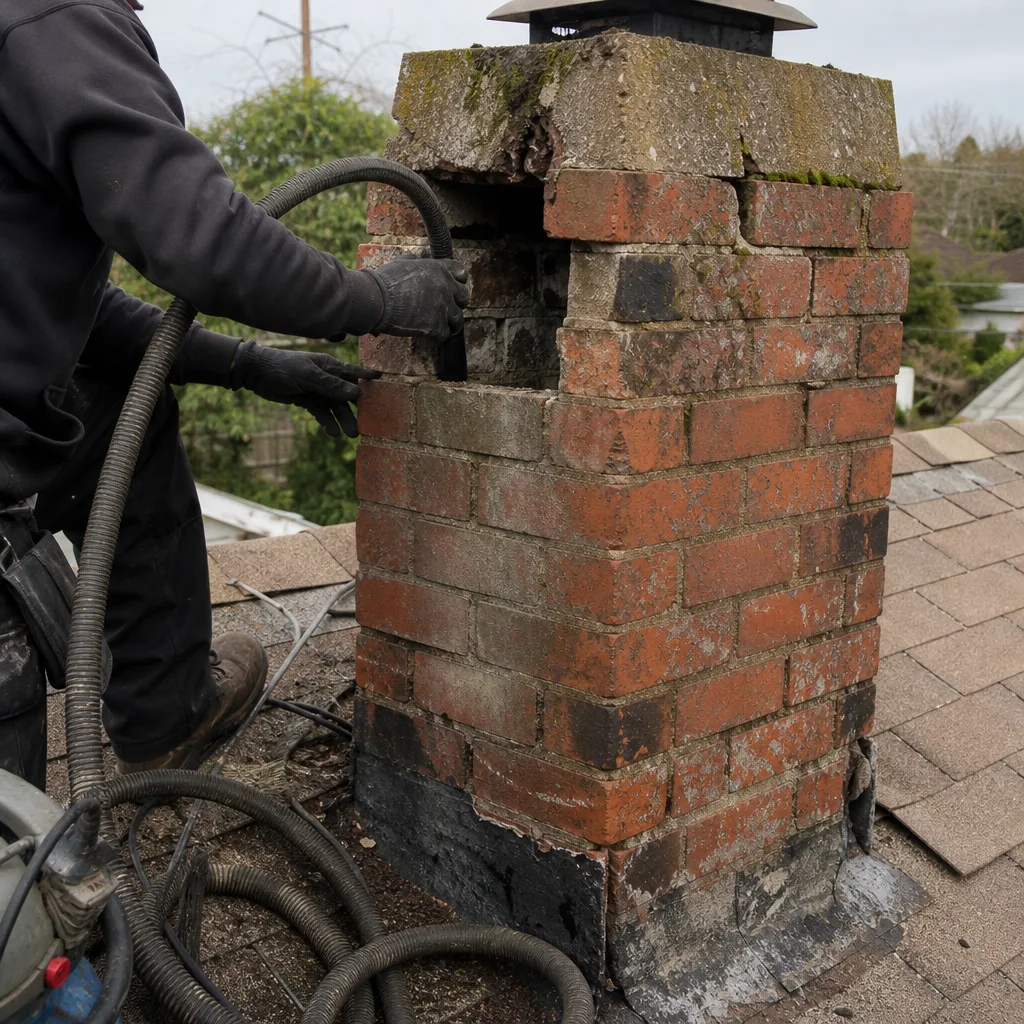 Before
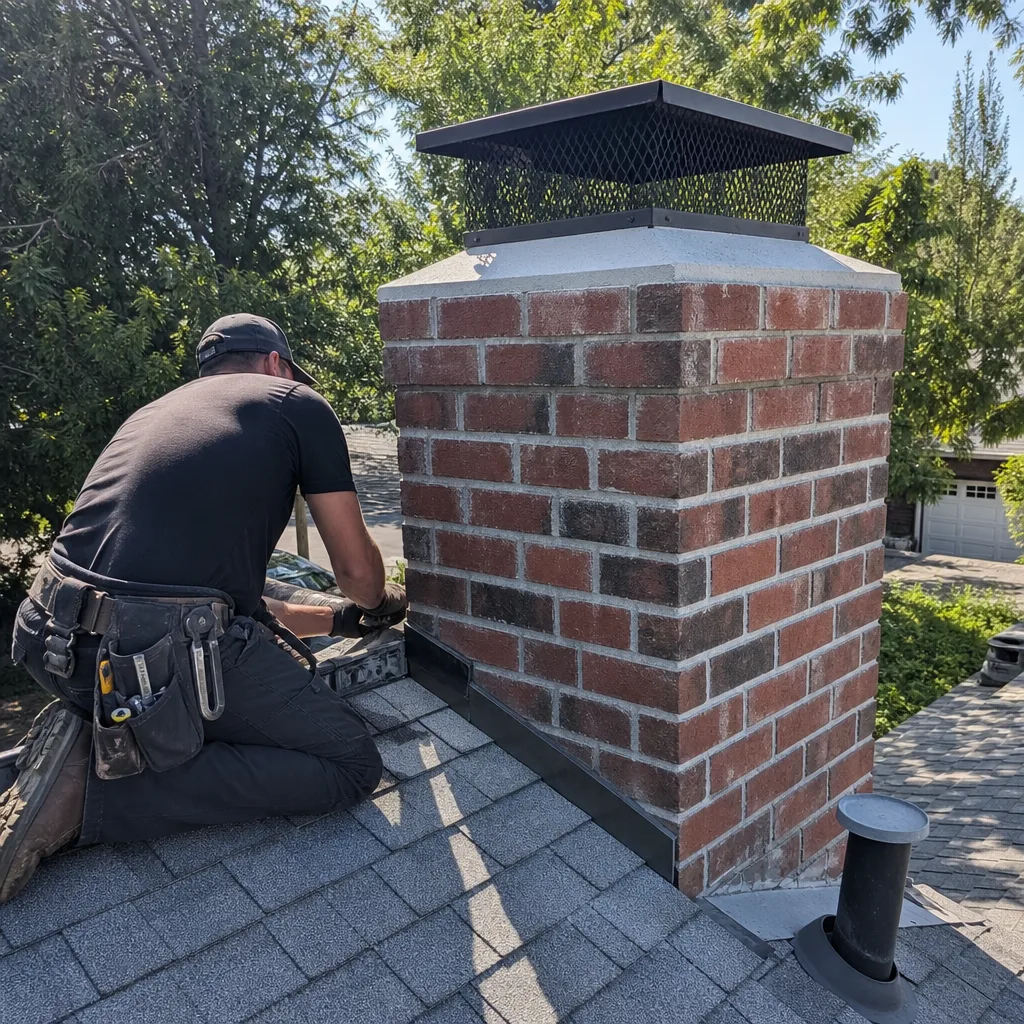 After
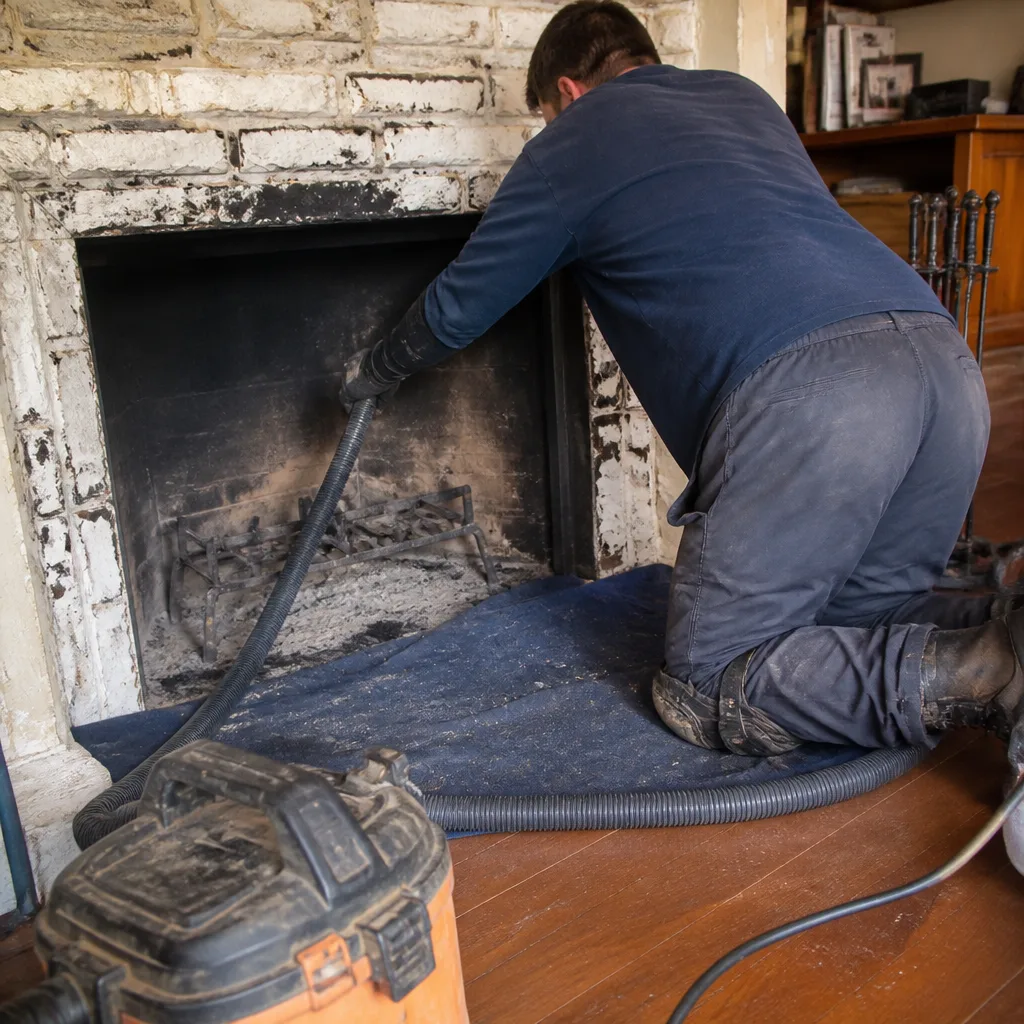 Before
 After
 Before
 After