
Last updated November 2, 2026
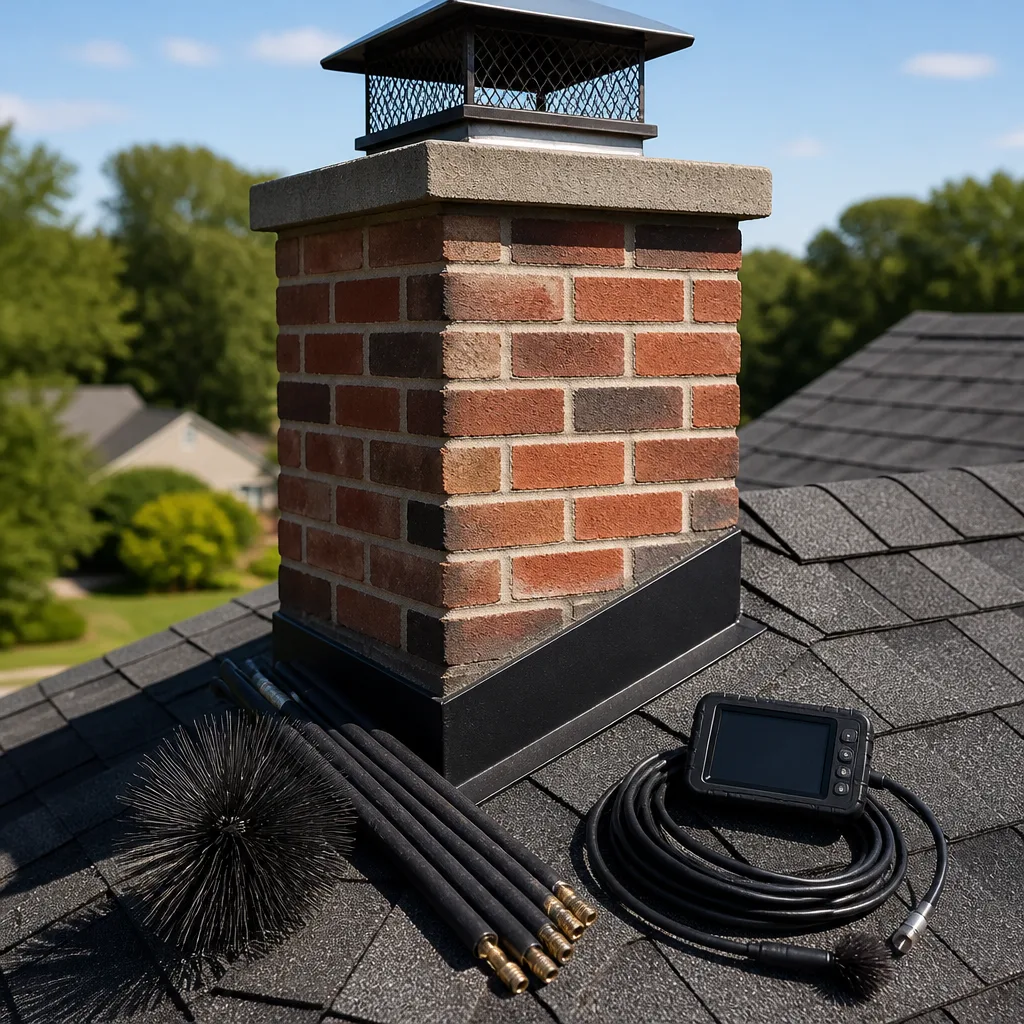 Sweep & inspection
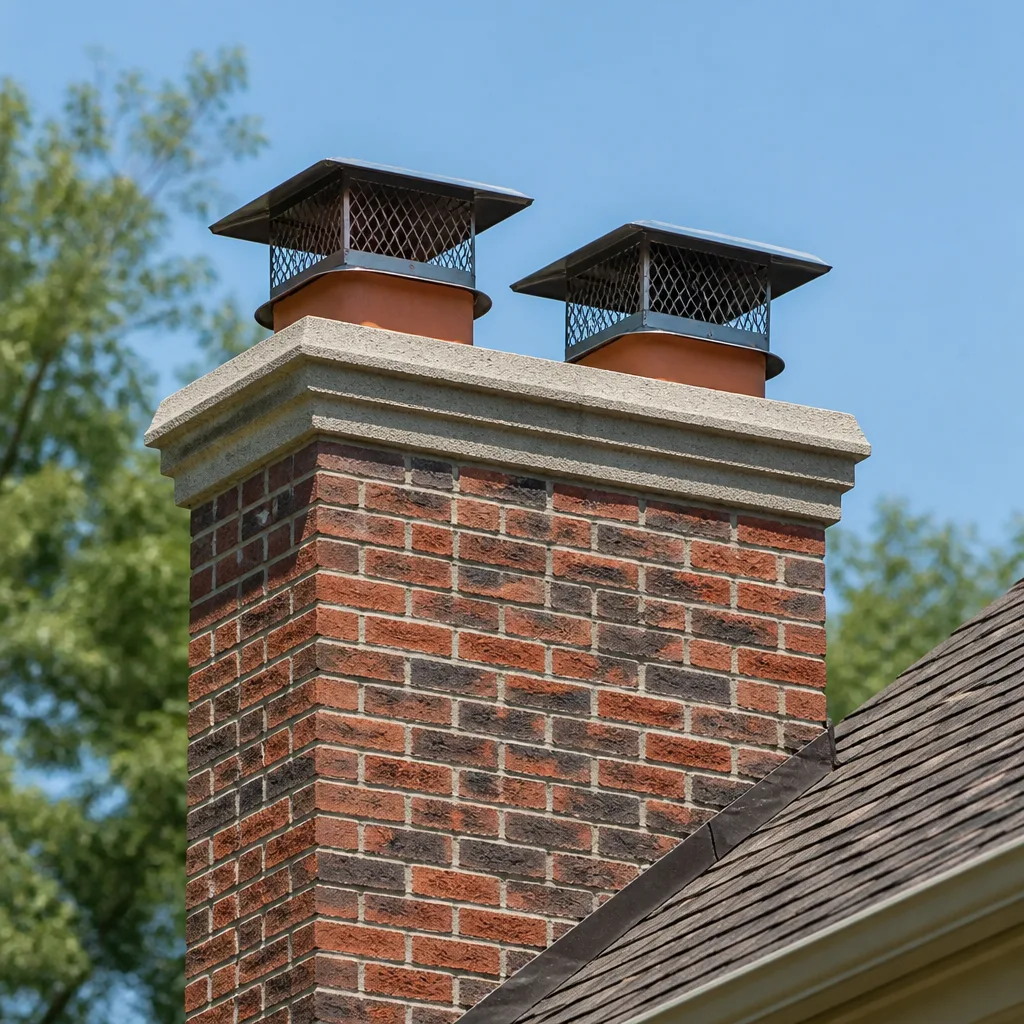 Caps & crowns
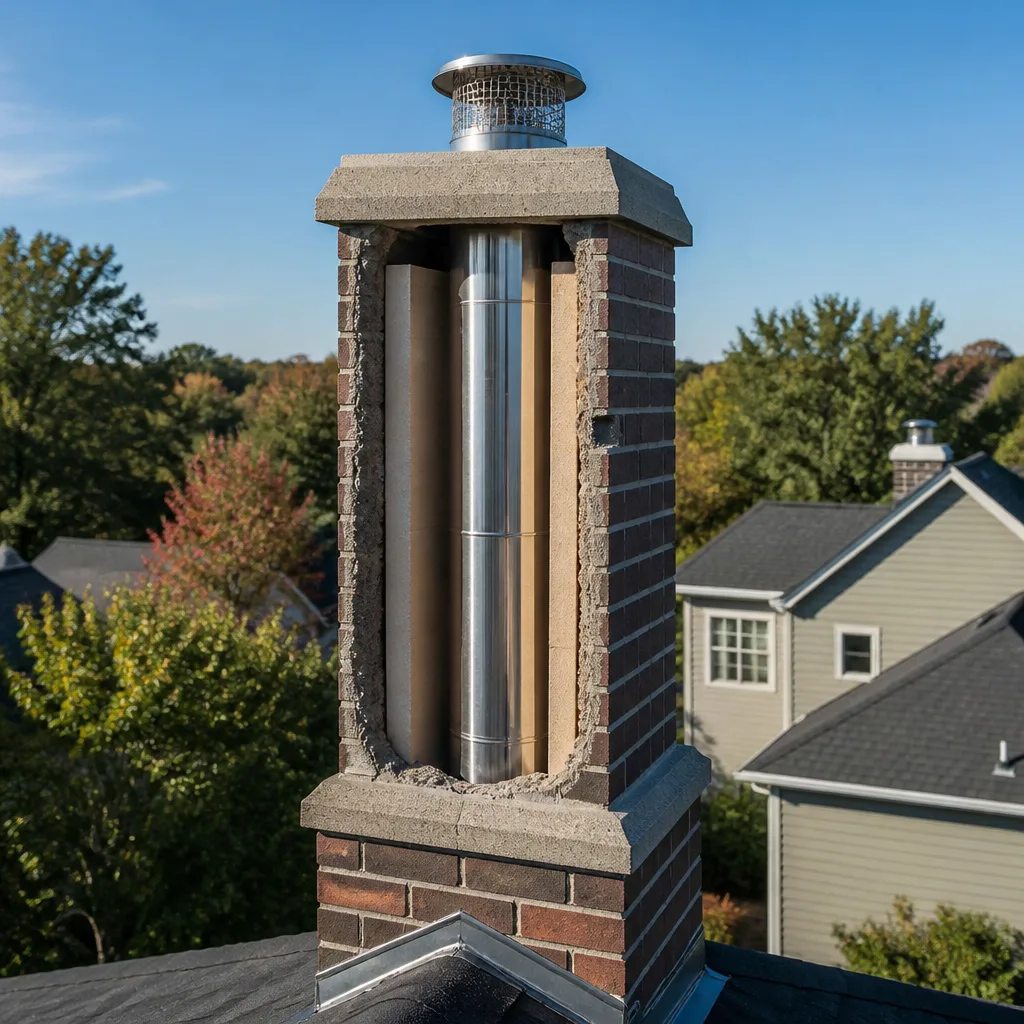 Flue relining
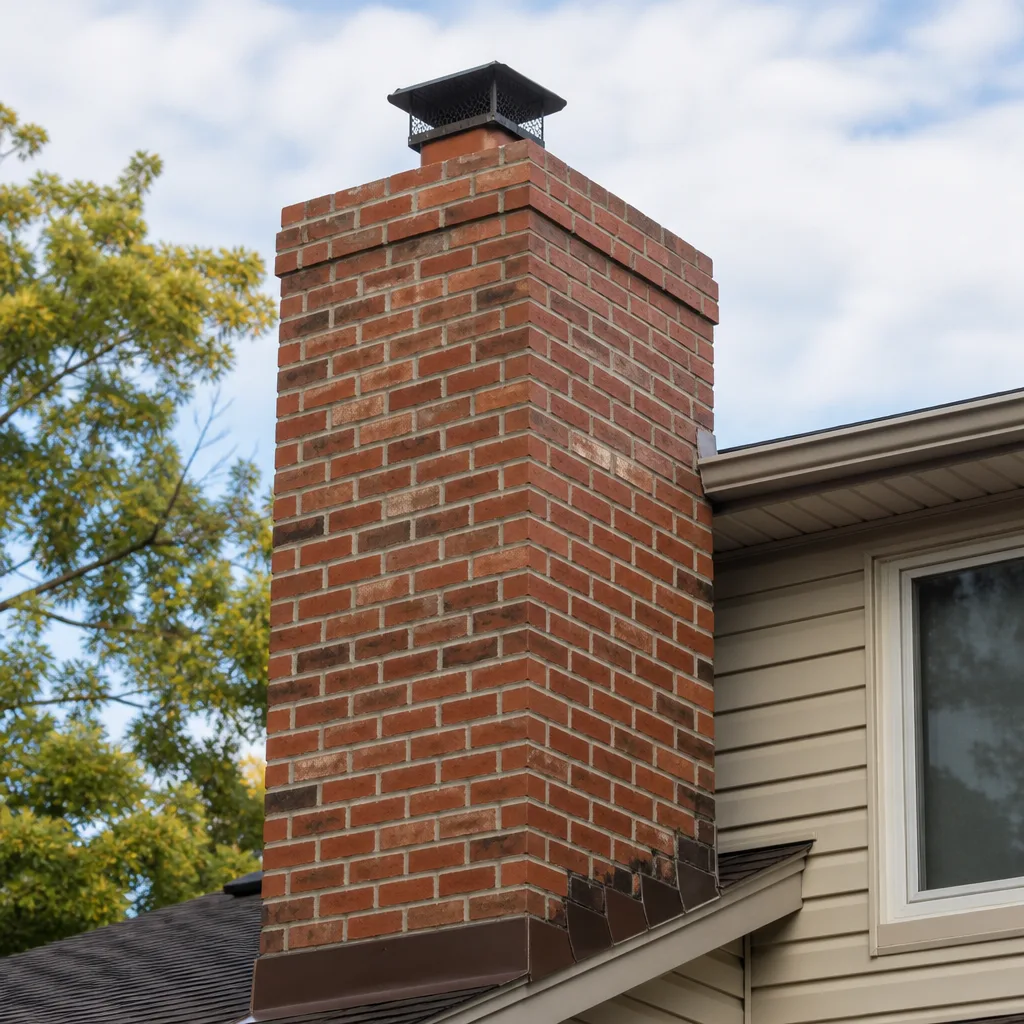 Masonry repair
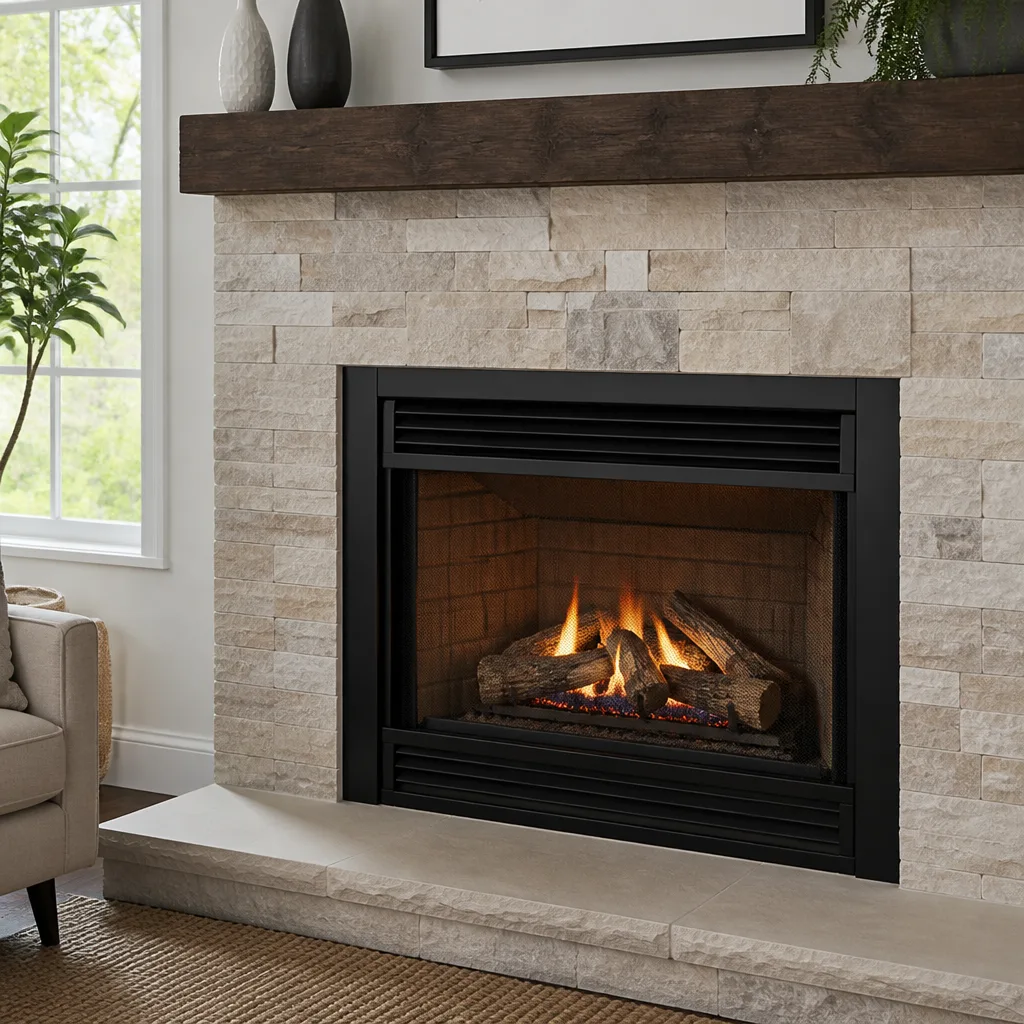 Gas fireplace service
Level 1 sweep and inspection to the NFPA 211 annual standard - flue, crown, cap, and flashing checked and photographed
Chimney sweep logs do not sweep chimneys. They loosen some creosote - which then falls where a brush and vacuum still have to collect it.
Chimney Cleaning Permits, Codes & Inspections in CA: What You Need to Know
Unpermitted chimney liner replacements are one of the more common surprises in LA County home inspections. Here’s what most Winnetka homeowners don’t realize until it’s too late: the cleaning itself never triggers a permit, but the repairs that cleaning uncovers almost always do. And when unpermitted work surfaces during escrow, the seller carries the exposure, not the contractor who did the job. This guide walks through the specific California Residential Code sections that govern chimneys, which repairs require permits in LA County, how NFPA 211 fits into local enforcement, and what a code-compliant inspection report actually needs to document. For more guides & resources, see our blog. If you own a fireplace in Winnetka, this is the information that protects you at sale time.
Styles & brands we work with
- Sweep & inspection
- Caps & crowns
- Flue relining
- Masonry repair
- Gas fireplace service
Quick Answer
Chimney cleaning in California does not require a permit. It’s classified as routine maintenance under both state code and LA County building regulations. However, any repair that alters the chimney’s structure, liner, or clearance profile, including liner replacement, crown rebuilding, or flue resizing, triggers the California Residential Code permitting process through the Los Angeles Department of Building and Safety. The distinction matters because unpermitted chimney repairs become a title defect during escrow, and the homeowner at the time of sale bears the financial liability.
Table of Contents
- The Permit vs. Maintenance Line: What Actually Triggers a Permit
- California Residential Code: The Chimney Sections That Matter
- NFPA 211 and Local AHJ Requirements in the San Fernando Valley
- What a Code-Compliant Chimney Inspection Report Must Include
- Escrow Risk: How Unpermitted Chimney Work Gets Flagged
- How to Get Ahead of Chimney Code Issues Before Listing
- Winnetka-Specific Considerations: Climate, Homes, and Common Findings
- Common Mistakes to Avoid
- When to Call a Professional
- Frequently Asked Questions
- The Bottom Line
The Permit vs. Maintenance Line: What Actually Triggers a Permit
The California Residential Code draws a clear line between maintenance and modification, and that line is where most Winnetka homeowners get confused. Sweeping a chimney, removing creosote, brushing the flue, even a standard video inspection, none of these activities require a permit anywhere in California. They’re classified as maintenance because they don’t alter the chimney’s structure, materials, or performance characteristics. You could have your chimney swept twice a year forever and never need to file anything with the city.
The moment a repair changes, replaces, or modifies any component of the chimney system, the classification shifts. Here’s what triggers a permit in LA County:
- Chimney liner replacement or relining, including stainless steel liner insertion or HeatShield resurfacing. This is structural work that changes the flue’s dimensions and material composition.
- Chimney crown rebuilding, whether partial or full. The crown is considered part of the chimney’s weather-resistance envelope.
- Flue resizing or modification, including changes to accommodate a new appliance type.
- Damper replacement that alters the throat opening or requires structural modification.
- Masonry repair that involves rebuilding sections of the chimney structure, not just tuckpointing or minor mortar fill.
- Smoke chamber parging or reconstruction, when it changes the chamber’s dimensions or thermal performance.
The exemption for routine maintenance is narrow. If a sweep identifies cracked flue tiles during a cleaning, the cleaning stays permit-free. But the moment repair work begins on those tiles, the permitting clock starts. In our experience, this is where well-meaning homeowners get into trouble. They hire a contractor who says, “We don’t need a permit for this,” the work gets done, and three years later the disclosure forms ask about modifications to the fireplace or chimney. Now they have unpermitted work and no paper trail.
California Residential Code: The Chimney Sections That Matter
California doesn’t have a separate chimney code. Chimney requirements live inside the California Residential Code, specifically within Chapter 10, which covers chimneys and fireplaces. The CRC adopts the International Residential Code as its base and modifies it with California-specific amendments. Here are the sections that actually govern what happens in Winnetka homes:
CRC R1001 covers masonry chimneys. It sets requirements for wall thickness, footing depth, and the materials used in construction. For existing chimneys, the key subsections address flue liner requirements and the prohibition on unlined chimneys serving solid-fuel appliances. If your Winnetka home dates to the 1950s or 1960s, those original clay tile liners may not meet current code, and replacements must comply with R1001 specifications for liner sizing and material.
CRC R1003 governs factory-built chimneys and fireplaces, which are common in Winnetka’s newer developments and in homes where fireplaces were added after original construction. These systems must be listed and labeled, installed per manufacturer specifications, and inspected for proper clearances to combustibles. One of the most frequent code violations we see in San Fernando Valley homes is reduced clearance between a factory-built chimney and framing members, usually because someone built a chase around the chimney without maintaining the required air space.
CRC R1004 addresses chimneys for factory-built fireplaces, while CRC R1005 covers chimney liners specifically. R1005 requires that all masonry chimneys serving solid-fuel appliances have a code-compliant liner. When a liner is cracked, missing sections, or was never properly installed, the chimney fails inspection under R1005. Liner repair or replacement must be done by a qualified contractor using listed materials, and that work requires a permit issued by LADBS.
CRC M1801 and M1802 apply when the chimney serves a gas-fired appliance, like a gas log set or gas insert. These sections set draft requirements, venting configurations, and material standards for metal vent systems. A gas conversion without proper vent sizing creates a carbon monoxide hazard that building inspectors flag immediately.
Clearance to combustibles rules run throughout these sections. Regardless of chimney type, code requires minimum distances between the chimney structure and any wood framing, insulation, or other combustible material. In Winnetka attics, where chimneys pass through tight spaces, clearance violations are among the top three findings on inspection reports.
NFPA 211 and Local AHJ Requirements in the San Fernando Valley
NFPA 211 is the National Fire Protection Association standard for chimneys, fireplaces, venting systems, and solid-fuel-burning appliances. It’s not a law by itself, but it carries legal weight in California because the state fire marshal and local authorities having jurisdiction, known as AHJs, reference it when evaluating chimney safety and code compliance. In the San Fernando Valley, including Winnetka, NFPA 211 functions as the practical standard for what a “safe” chimney looks like, even when the California Residential Code doesn’t address a specific condition.
Here’s the interaction in plain terms. The CRC tells you what’s legal to build and how it must be constructed. NFPA 211 tells you what’s safe to operate and when a chimney has deteriorated to the point that it shouldn’t be used. A chimney can technically comply with the code as constructed while failing NFPA 211’s operational safety thresholds. For example, a masonry chimney built in 1962 might meet the code standards of its era. But under NFPA 211, cracked flue tiles with visible gaps constitute a fire hazard that requires correction before further use.
Local AHJ enforcement in the San Fernando Valley adds another layer. LADBS inspectors apply the CRC for construction permits, while fire inspectors from the Los Angeles Fire Department may apply NFPA 211 during fire-safety inspections, particularly in wildfire-adjacent neighborhoods. The San Fernando Valley’s position within a high-fire-risk zone means fire inspectors tend to be more aggressive about chimney compliance than their counterparts in coastal areas.
For Winnetka homeowners, the practical takeaway is this: when a sweep flags a condition as failing NFPA 211, don’t wait for a building inspector to verify it. NFPA 211 is used by insurance companies, home inspectors, and escrow officers. A written report citing NFPA 211 deficiencies carries the same weight in a real estate transaction as a code citation.
What a Code-Compliant Chimney Inspection Report Must Include
A verbal “your chimney looks fine” has zero value in a real estate transaction or an insurance claim. What matters is a written inspection report that documents findings in a format that building officials, insurance adjusters, and home inspectors recognize. Based on the standards used by professional chimney organizations and accepted by LA-area AHJs, here’s what a code-compliant inspection report should document:
- Chimney identification and location. Which chimney, which floor, which appliance it serves. A Winnetka home with two fireplaces needs separate documentation for each.
- Chimney type and construction materials. Masonry with clay tile liner, factory-built metal chimney, or masonry with stainless steel reline. The report should state what’s actually there, not what’s assumed.
- Liner condition assessment. Specific findings, not general impressions. Cracked tiles, missing mortar joints, liner gaps, spalling, or rust perforation in metal liners. Photos should accompany written descriptions.
- Clearance verification. Measured distances from the chimney structure to combustible materials at the attic penetration, roof penetration, and hearth extension. Any clearance violation should be documented with measurements.
- Creosote and soot buildup levels. Using the standard three-level classification system (Level 1, 2, or 3 buildup), with a recommendation for cleaning urgency.
- Smoke chamber and damper condition. Cracks, gaps, parging failure, damper operation, and any obstruction in the throat area.
- Crown and cap condition. Crown cracking, spalling, improper slope, missing rain cap, or animal entry potential.
- Appliance connection check. For gas fireplaces, verification that the venting configuration matches the appliance’s listed requirements and that the damper is properly configured for gas use.
- Overall classification. A clear bottom-line assessment: safe for use, safe with conditions, or not safe for use until specified repairs are completed.
- Inspector identification. Name, company, contact information, and the date of inspection. An unsigned report documents nothing.
A report missing any of these elements won’t satisfy a diligent home inspector or an escrow officer reviewing a disclosure. For Winnetka sellers, a complete Level 2 inspection report with video documentation is the single best tool for heading off chimney-related negotiation issues before they start. For buyers, the report creates a paper trail that forces remediation rather than allowing a vague “seller says it’s fine” to stand.
Escrow Risk: How Unpermitted Chimney Work Gets Flagged
Here’s how unpermitted chimney work surfaces during escrow, and it’s a sequence we’ve seen play out many times in Winnetka and across the San Fernando Valley. The general home inspector, not a chimney specialist, gets on the roof and notices something that doesn’t look right. Maybe the crown looks newer than the rest of the chimney. Maybe there’s a stainless steel cap on a chimney that otherwise looks original to the house. Maybe the seller’s disclosure form mentions “recent chimney work” without permits.
The inspector writes it up as a question: “Chimney appears to have been modified. Verify permits.” That single line triggers a chain of events. The buyer’s agent requests permit records from LADBS. LADBS shows no permits for chimney work at the property. Now the buyer has leverage, and the seller has a problem.
The typical resolution looks like one of these scenarios:
- Seller pays for retroactive permitting. The work must be exposed for inspection, brought to current code if it isn’t already, then inspected and permitted. This can cost thousands, and the seller pays because the buyer holds the contingency.
- Seller credits the buyer at closing. The buyer accepts a credit to cover future permit and repair costs. The amount rarely covers the actual expense once hidden issues are uncovered.
- The deal renegotiates. Price drops, timelines extend, and both sides pay more in carrying costs and frustration.
- The buyer walks. In a normal market, this is rare. In a buyer’s market, it happens more than sellers expect.
The liability isn’t theoretical. California law requires sellers to disclose all material facts about the property, including unpermitted work. Failing to disclose an unpermitted chimney liner replacement that you knew about, or should have known about, is civil fraud. The contractor who did the work without a permit has their own exposure under the Contractors State License Board, but the real estate disclosure obligation falls squarely on the homeowner. The seller can’t shift that responsibility to the contractor.
How to Get Ahead of Chimney Code Issues Before Listing
If you’re planning to sell a Winnetka home with a fireplace, get ahead of the chimney question before the buyer’s inspector raises it. Our Chimney Sweep Maintenance Checklist for Winnetka Homeowners can help you prepare. Here’s the sequence we recommend:
- Pull the property’s permit history from LADBS. It’s a public records request, available online, and it takes about ten minutes. You want to know what the buyer’s agent will find before they find it. If chimney work was done by a previous owner and permitted, great, that’s documented. If not, you now know what you’re dealing with.
- Schedule a Level 2 chimney inspection with video documentation. A Level 2 inspection goes beyond the visual sweep and includes the interior of the flue via camera. The video becomes your disclosure asset. Chimney Sweep Winnetka performs these inspections with photo and video reports, and the documentation holds up to scrutiny during escrow.
- Address any safety or code issues before listing. If the inspection finds cracked flue tiles, missing mortar, or improper clearances, fix them now, with permits, while you control the timeline and the contractor selection. Repair work done before listing costs less than the same work priced into a renegotiation, because the buyer will add a risk premium to any repair they didn’t choose.
- Disclose everything. Even if you’ve fixed it, even if it’s permitted now, disclose the repair in your seller’s disclosure statement. “Chimney liner replaced 2023, permit #XXXXX, inspection report available” reads as responsible ownership. Hiding it reads as concealment, and concealment is what creates liability.
- Keep the documentation with the house. Scan the permit, the inspection report, the repair invoice, and the final sign-off. Leave copies in a folder for the buyer. This single step eliminates hours of back-and-forth during escrow and positions you as a seller with nothing to hide.
For Winnetka sellers, this process typically costs less than $1,000 when no major repairs are needed, and it’s the difference between a clean escrow and a renegotiated one. Our Chimney Repair in Winnetka service handles the full sequence: inspection, documentation, permitted repair, and final report.
Winnetka-Specific Considerations: Climate, Homes, and Common Findings
Winnetka’s position in the western San Fernando Valley shapes what we find in local chimneys. The climate is hot and dry most of the year, which affects chimneys differently than coastal moisture or inland freeze-thaw cycles. The extreme heat cycles of Valley summers cause thermal expansion and contraction in masonry chimneys, which accelerates cracking in clay tile liners and mortar joints. A chimney that’struggles in a temperate climate might last 50 years without liner issues. In Winnetka, 30 years is often the ceiling before cracks appear.
The housing stock matters too. Winnetka’s older residential neighborhoods, including the tracts developed in the post-war boom, contain masonry chimneys with original clay tile liners. Those liners are now 60 to 75 years old. Even if they were adequate when installed, decades of heat cycling have taken their toll. We regularly see liner cracks in Winnetka homes that would pass a visual inspection from the firebox but fail immediately under camera inspection.
Newer Winnetka construction, including many of the homes built since the 1990s, uses factory-built chimney systems instead of masonry. These systems have their own failure modes: rust in the metal flue, deteriorated chase tops, and improper installation that reduces clearances. The California Residential Code requirements for factory-built chimneys are just as strict as for masonry, but the inspection process differs because the components are manufactured systems with listed specifications.
One uniquely Valley issue involves wildlife. Winnetka’s proximity to the foothills means raccoons, squirrels, and birds routinely explore chimneys, especially in the fall. Animal entry leads to nesting material inside the flue, which creates a fire hazard and an obstruction. Missing rain caps and deteriorated chimney caps are the usual entry points. A code-compliant chimney requires a properly sized cap that keeps animals out while maintaining proper draft.
If you’re concerned about the condition of your chimney before it becomes an escrow issue, a Chimney Sweep in Winnetka visit with camera inspection is the fastest way to know where you stand. Our inspections are documented, photographed, and explained in plain terms, without pushing repairs that the evidence doesn’t support.
Common Mistakes to Avoid
- Assuming a clean bill of health from a visual sweep means the liner is fine. Visual inspection from the firebox can’t see mid-flue cracks, missing mortar between tiles, or liner gaps behind smoke chamber walls. In Winnetka’s older masonry chimneys, camera inspection routinely reveals issues that visual inspection misses entirely.
- Hiring a contractor who says a liner replacement doesn’t need a permit. In LA County, liner replacement is structural work requiring a LADBS permit. Any contractor who claims otherwise is either uninformed or cutting corners, and you carry the liability either way.
- Converting a wood-burning fireplace to gas without checking venting requirements. Gas appliances have different draft characteristics than wood fires. A conversion done without proper vent sizing creates carbon monoxide risk that a building inspector will flag immediately, and that your CO detector may not catch until it’s serious.
- Not pulling permits on a home you’re buying, especially for chimney work. The time to discover unpermitted chimney modifications is during your inspection contingency, not after closing. A permit search from LADBS costs nothing and takes minutes online.
- Skipping the chimney inspection during a home purchase because the fireplace “looks fine” from the living room. The expensive problems aren’t visible from the firebox. They’re in the liner, the crown, and the attic penetration. A Level 2 inspection costs a few hundred dollars and routinely uncovers thousands in deferred maintenance that should factor into the purchase price.
- Ignoring a home inspector’s “further evaluation recommended” note on the chimney. That wording is the inspector telling you they’re not qualified to assess the chimney and you need a specialist. Buyers who let it slide own the problem after closing. Sellers who let it slide get hit with it during renegotiation.
- Assuming your homeowner’s insurance covers chimney damage regardless of maintenance history. Most policies exclude damage caused by neglect, and a chimney fire in an unmaintained, unpermitted chimney is a classic denial scenario. A documented sweep and inspection history is your coverage protection.
When to Call a Professional
Call a chimney specialist when you see any of these: white staining or efflorescence on the exterior chimney brick, which indicates water intrusion. Crumbling mortar or loose bricks on the chimney structure. A fireplace that smokes back into the room, even occasionally. A strong odor from the fireplace during humid or rainy weather. Visible cracks in the firebox or hearth. Or any home inspection report that flags chimney issues, even with vague language like “further evaluation recommended.” These are conditions that a general contractor or handyman can’t properly diagnose, and they’re precisely the conditions that become escrow liabilities later. Chimney Sweep Winnetka offers free estimates in Winnetka. Call (877) 939-1446 to schedule an inspection with camera documentation, whether you’re preparing for sale, buying, or just want to know where your chimney stands. We also offer Dryer Vent Cleaning in Winnetka for the other venting system that deserves the same attention.
Frequently Asked Questions
No. Chimney sweeping and routine cleaning are classified as maintenance and require no permit anywhere in California, including Los Angeles County. The permit requirement applies to repairs and modifications that alter the chimney’s structure, liner, or clearance profile. Chimney Sweep Winnetka home services are maintenance work and don’t trigger the permitting process.
Yes. Chimney liner replacement, whether with a stainless steel reline or a resurfacing product like HeatShield, is structural work that requires a permit from the Los Angeles Department of Building and Safety. The work must be inspected and signed off by LADBS, and that permit becomes part of the property record that future buyers will review.
A Level 2 chimney inspection with video documentation in Winnetka typically runs between $200 and $400, depending on the chimney type and whether it’s part of a cleaning visit. The inspection cost is minor compared to the repair costs it can surface before those repairs become escrow negotiations. Call (877) 939-1446 for a specific quote, free estimates are standard practice.
You inherited the liability, but you have options. Start by documenting the condition with a Level 2 inspection. If the work is sound and only the permit is missing, you can apply for retroactive permitting through LADBS. If the work is defective, you may have recourse against the seller if they failed to disclose, but that requires legal consultation and proof that they knew or should have known. In either case, the first step is understanding what’s actually inside your chimney.
The National Fire Protection Association recommends cleaning when creosote buildup reaches 1/8 inch, which for most regular wood-burning users in Winnetka means once per year, typically in late summer or early fall before burning season starts. Occasional users may go two years between sweepings. Gas fireplace chimneys still need periodic inspection, though they produce less creosote and can typically go longer between cleanings. If you burn more than two cords of wood per season, schedule twice-yearly cleanings.
No. Dryer vent cleaning is maintenance, similar to chimney sweeping, and requires no permit in California. It’s also one of the most overlooked fire-safety items in the average home. A clogged dryer vent is a leading cause of residential fires, and the fix is a straightforward cleaning, not a repair or modification that would trigger code review. Our Dryer Vent Cleaning in Winnetka service addresses this direct safety risk.
The Bottom Line
Chimney cleaning in Winnetka requires no permit, and that’s the easy answer. The rest of the story is about the repairs that cleaning uncovers and the code obligations that come with them. California Residential Code Chapter 10, along with NFPA 211 and LADBS enforcement, creates a framework where proper documentation is your best protection, whether you’re staying in your home for decades or selling it next spring. The homeowners who get into trouble aren’t the ones who neglect their chimneys entirely. They’re the ones who repair them without permits and without documentation. Get the inspection, get the report, keep the records, and pull the permit when the work requires it. Your future self, whether that’s you at the closing table or you filing an insurance claim, will be glad you did.
Written by the team at Chimney Sweep Winnetka, serving Winnetka since 2014.
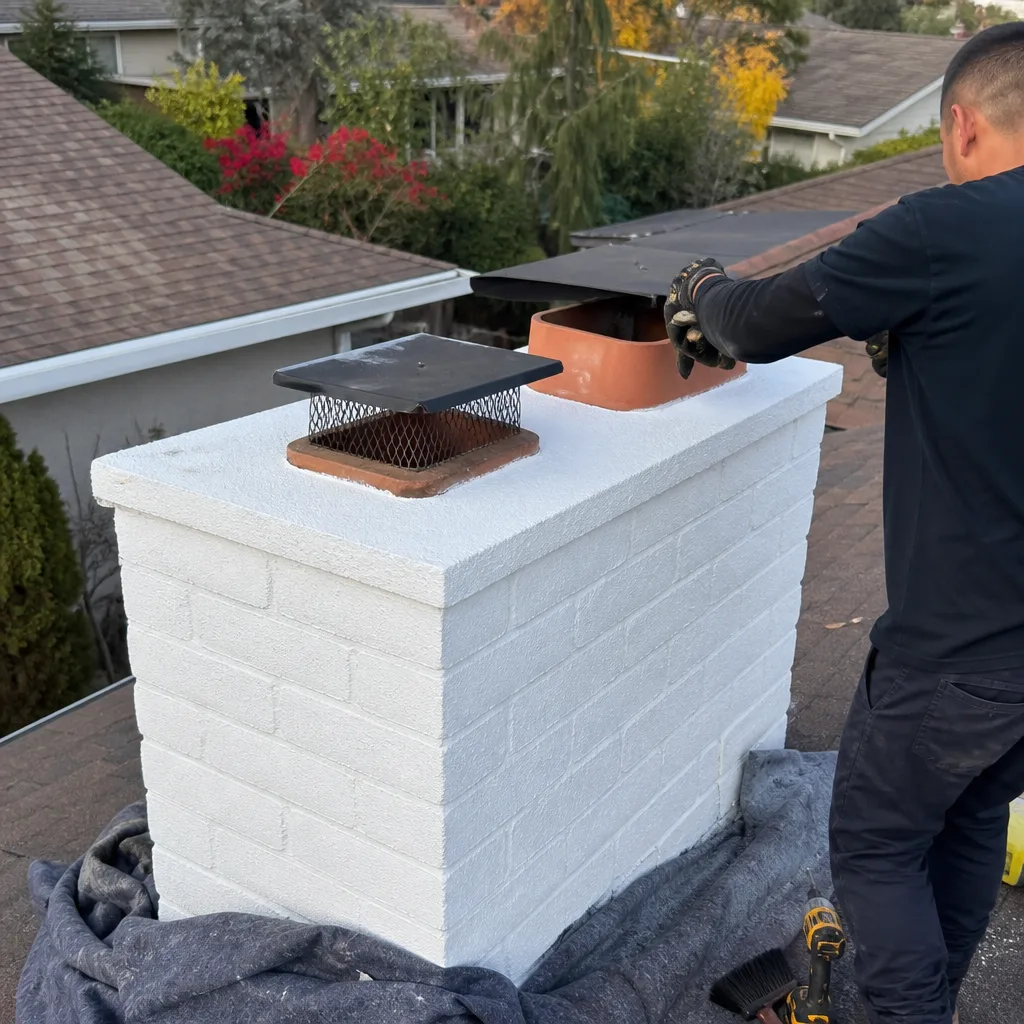
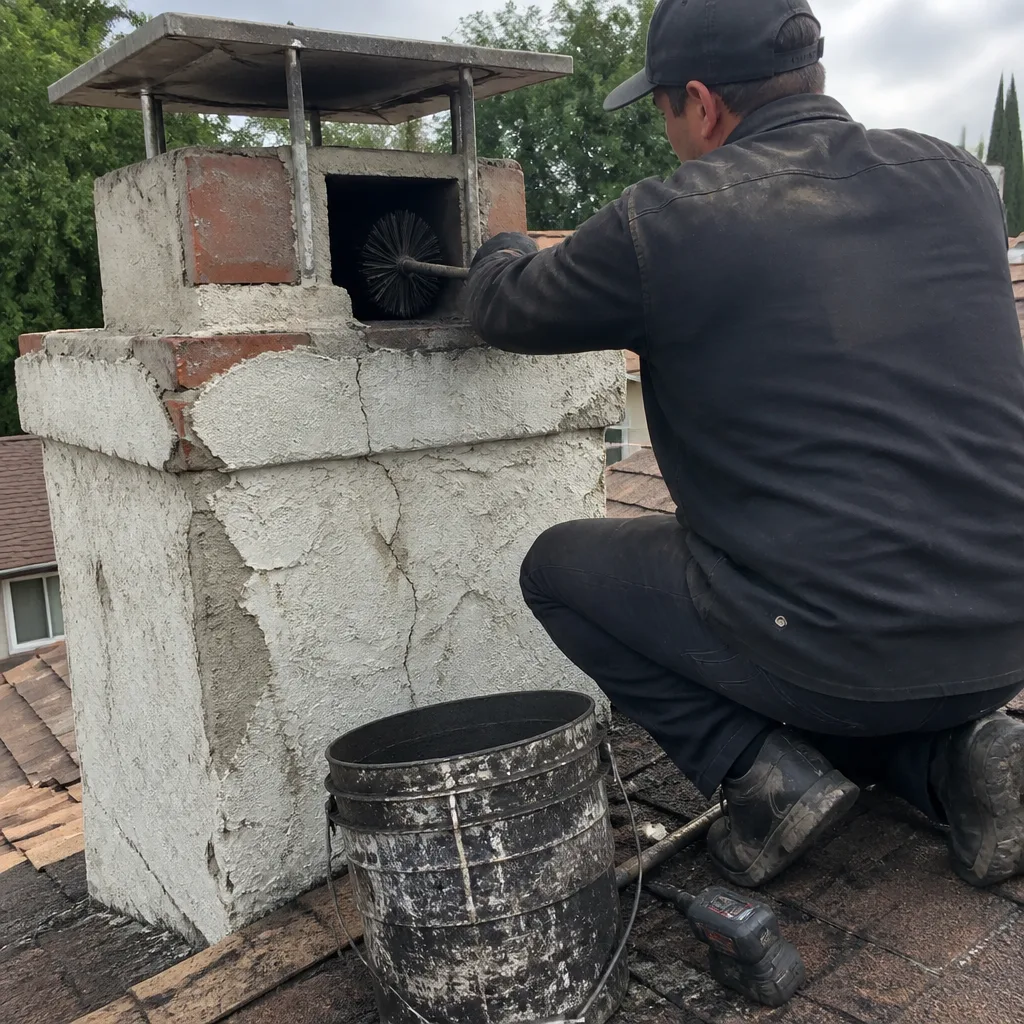
See the difference
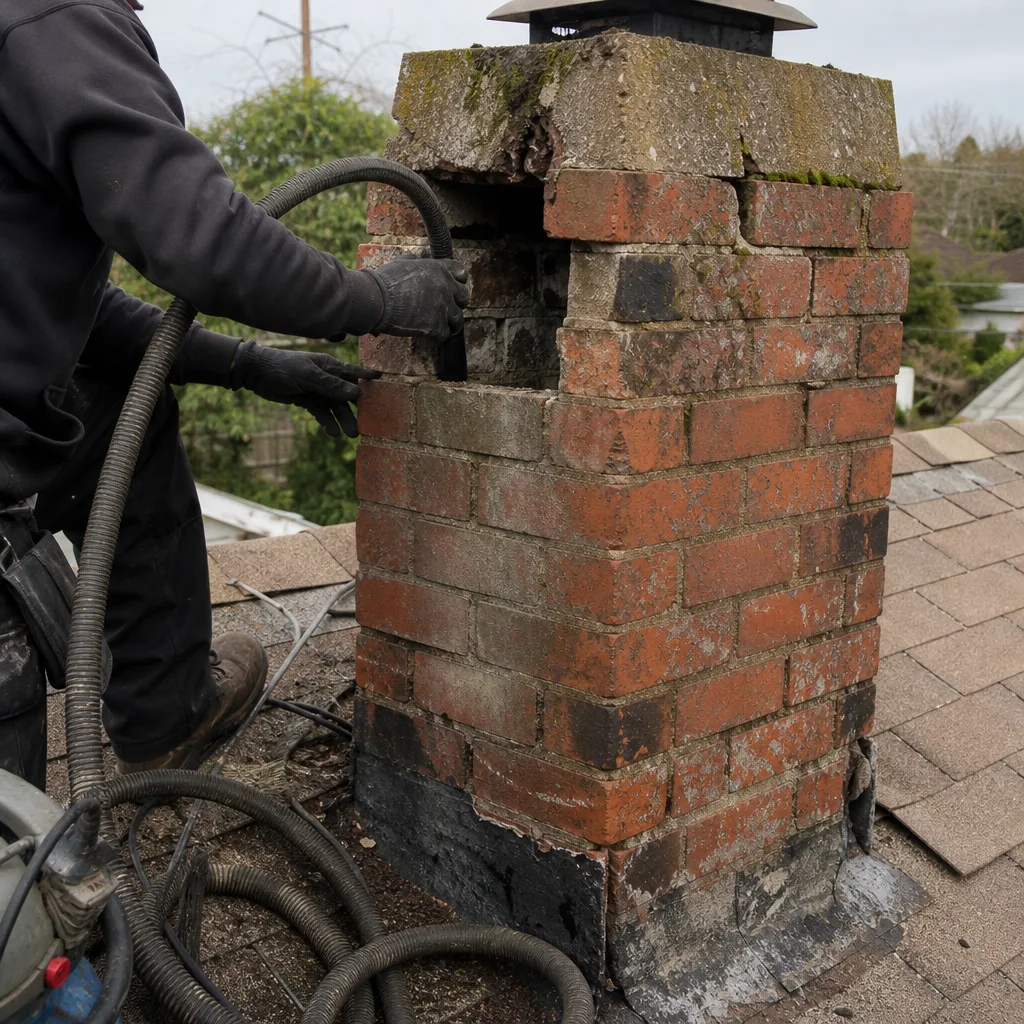 Before
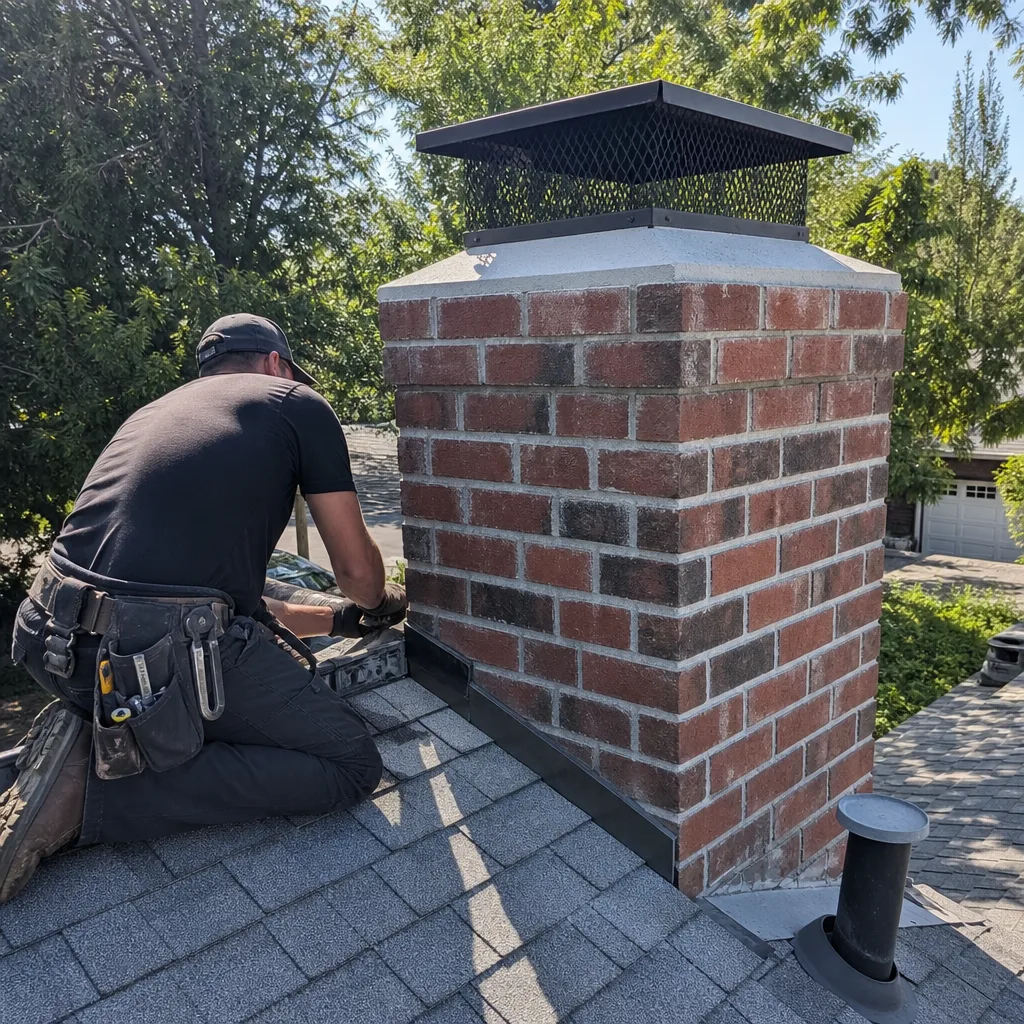 After
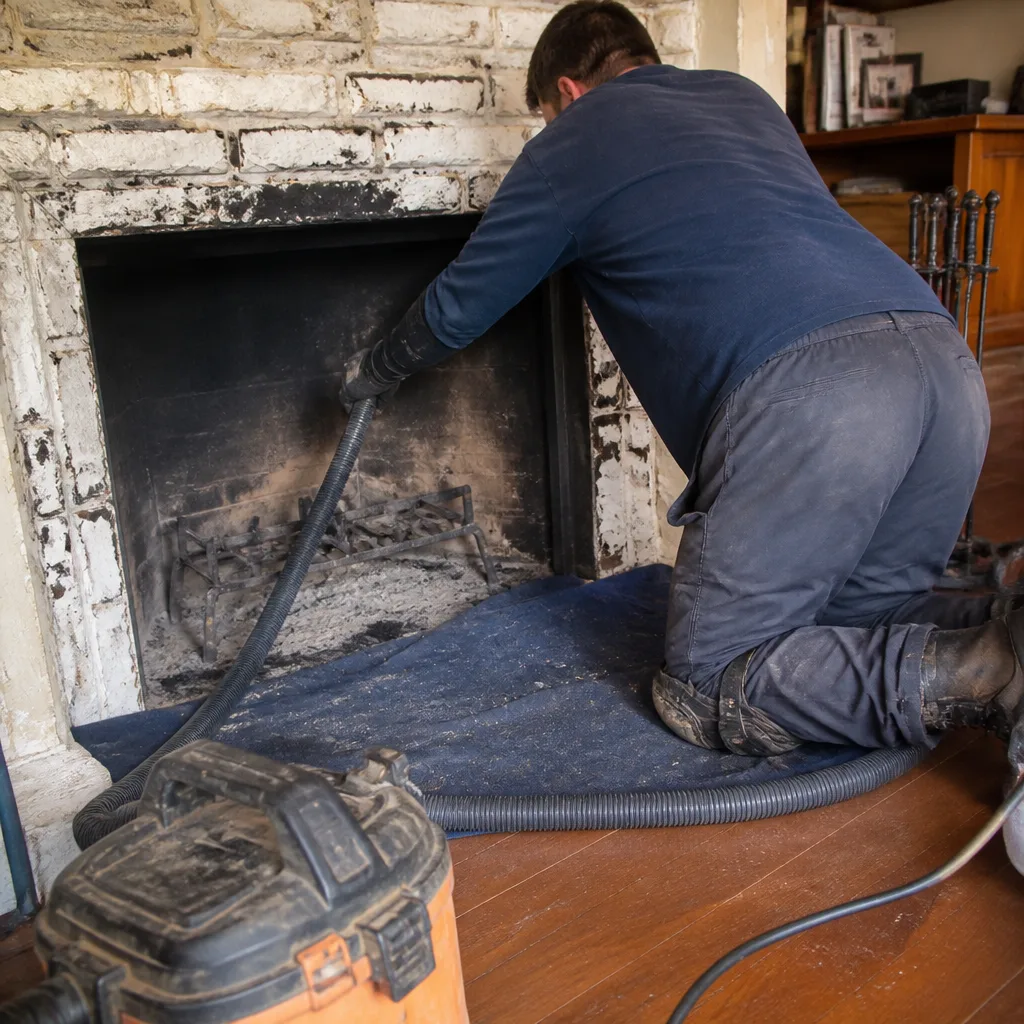 Before
 After
 Before
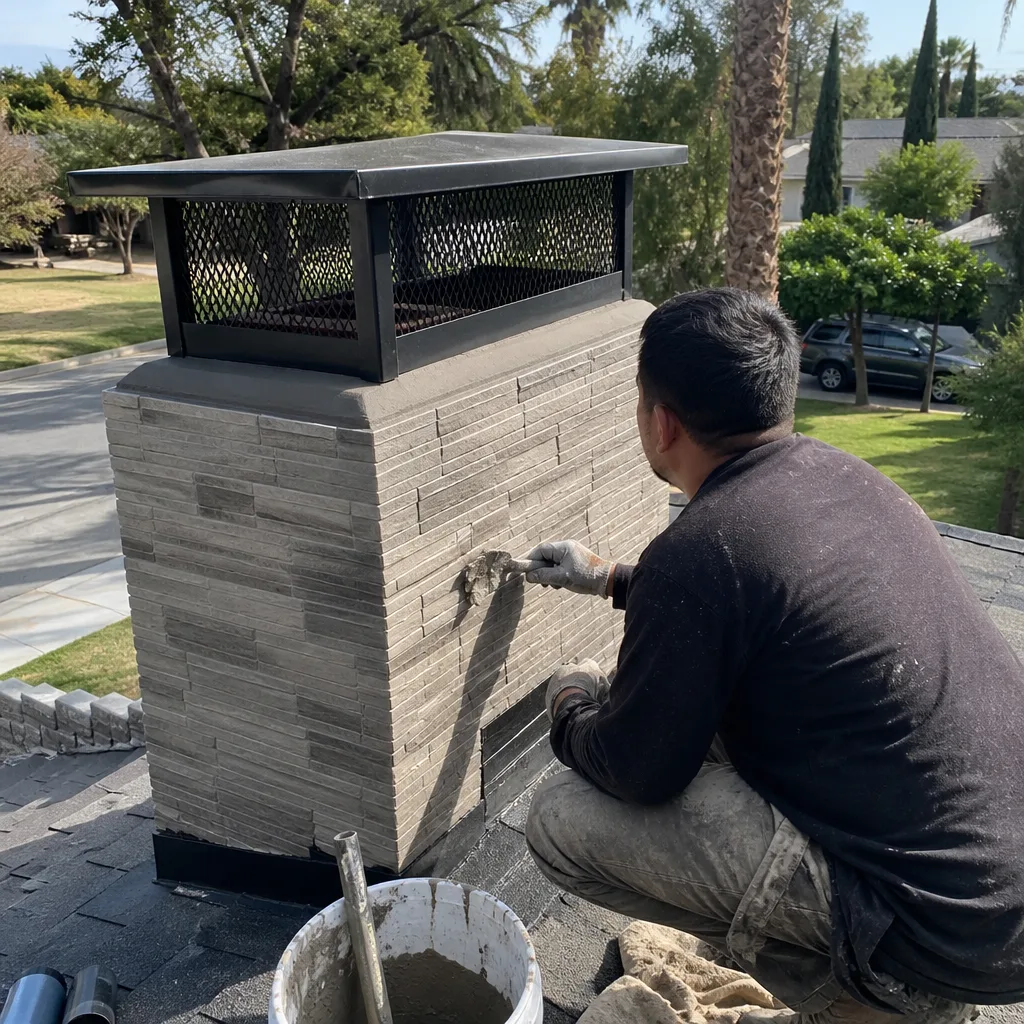 After