
Last updated November 2, 2026
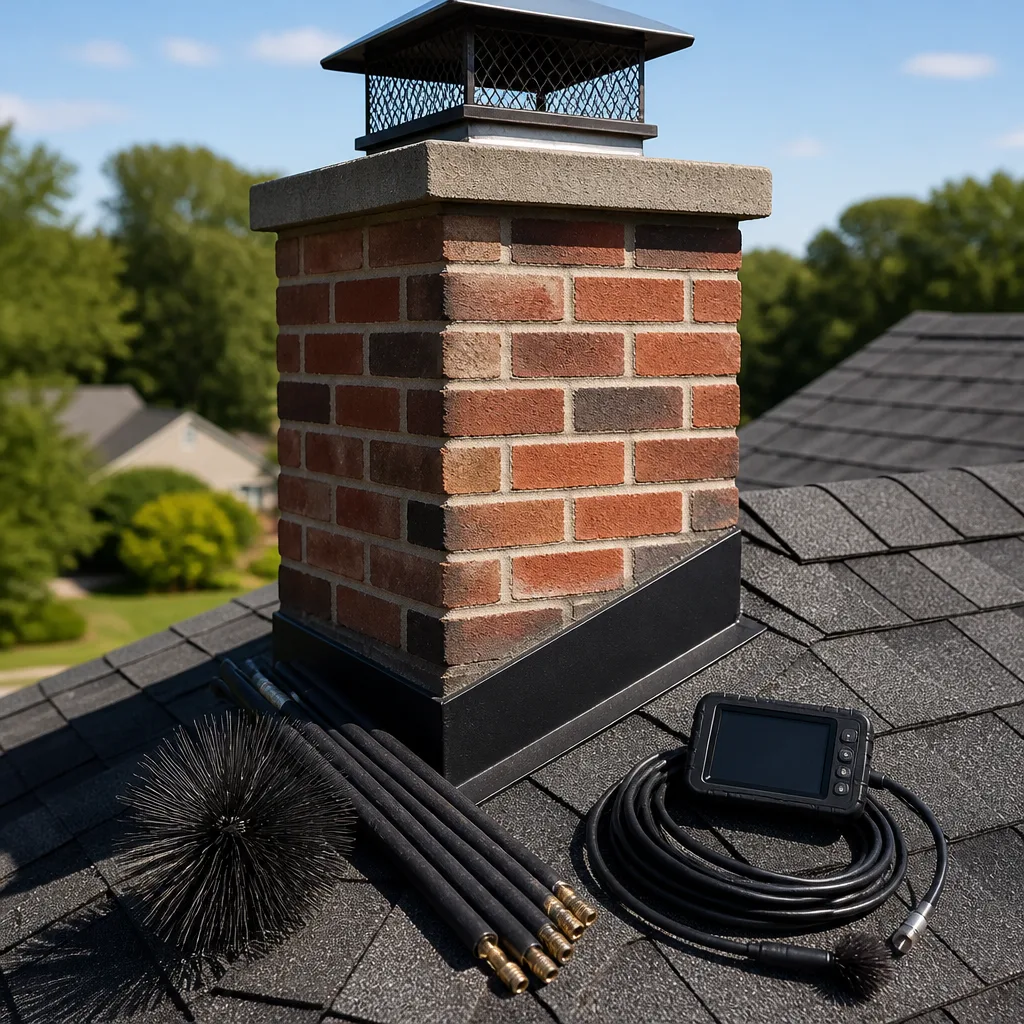 Sweep & inspection
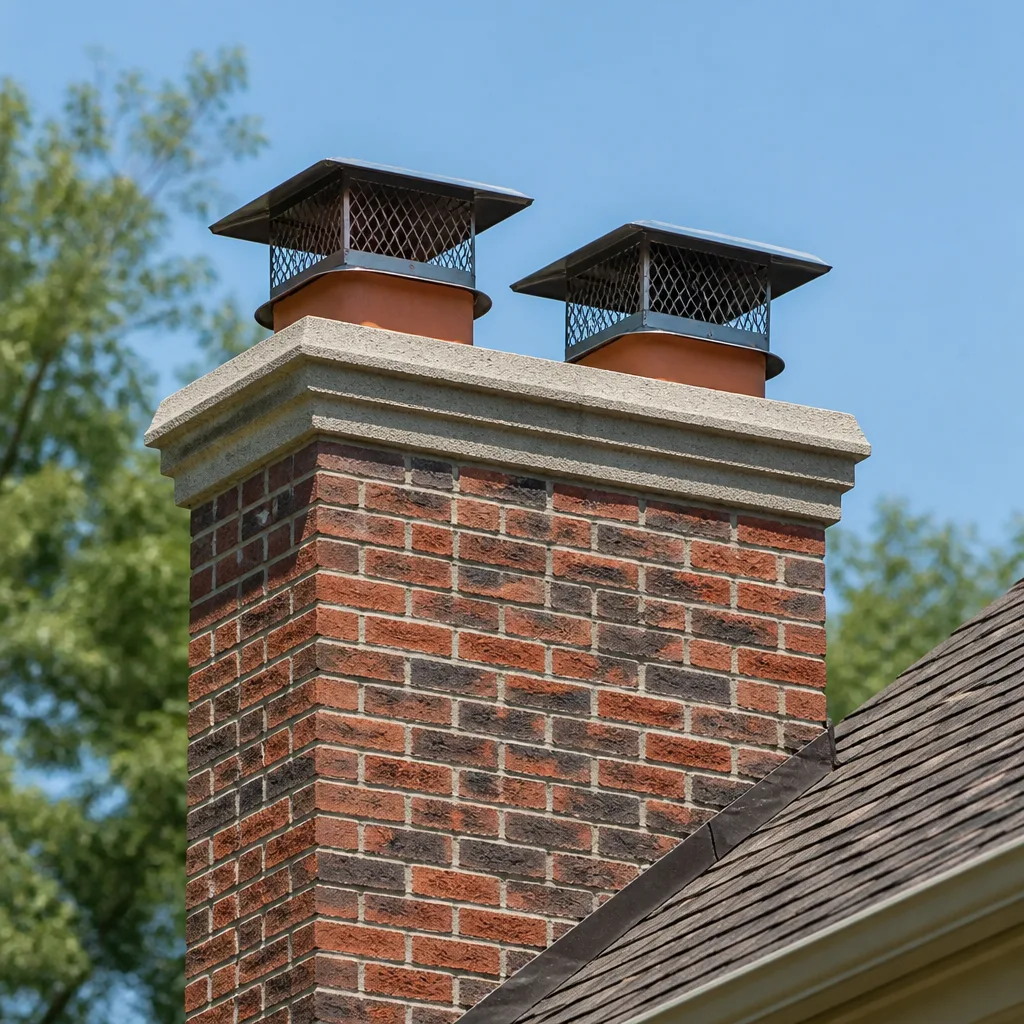 Caps & crowns
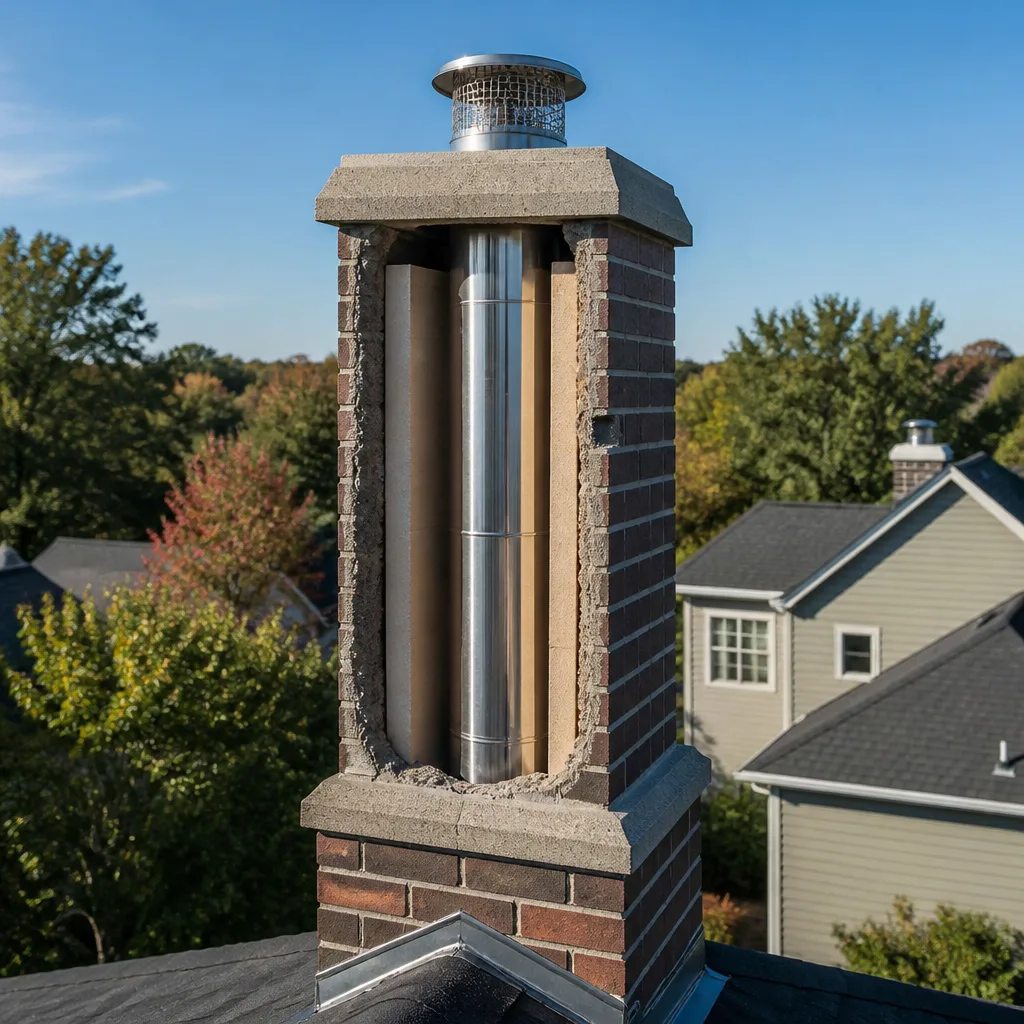 Flue relining
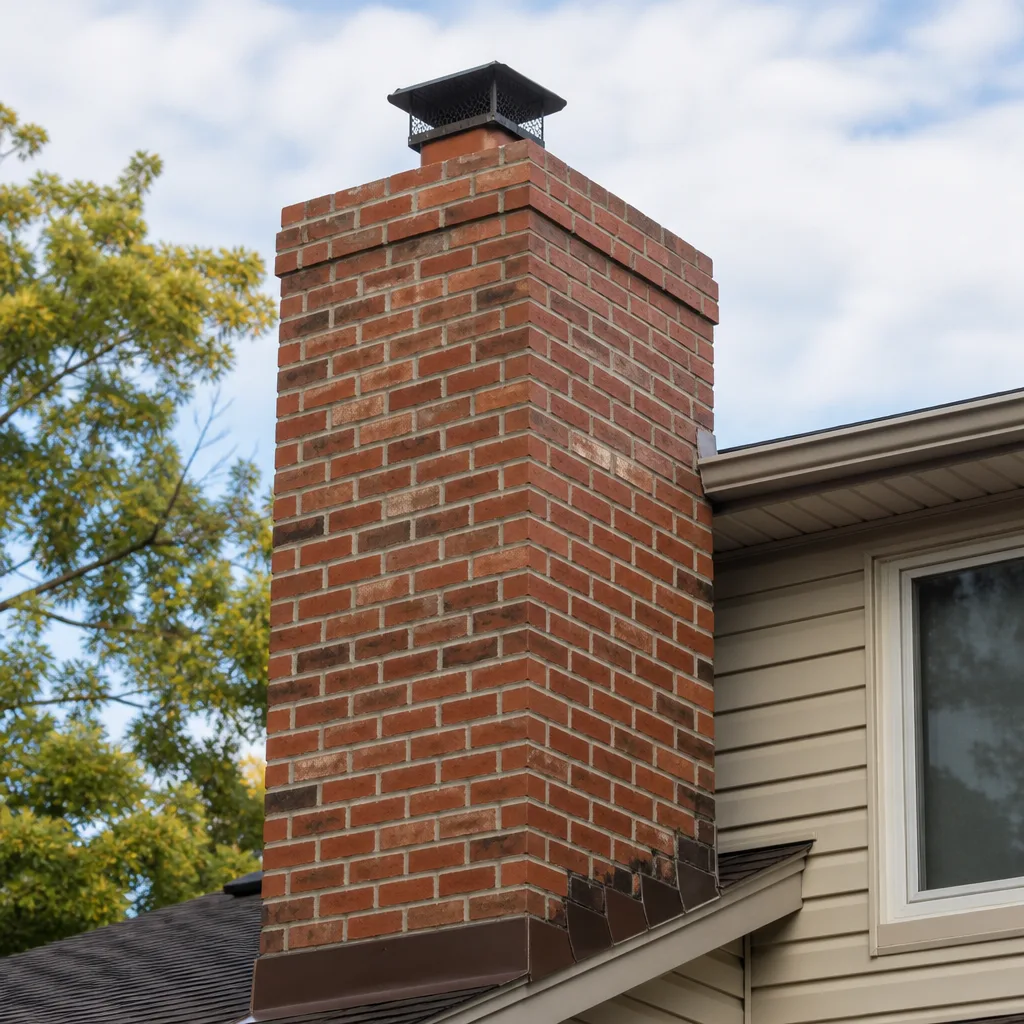 Masonry repair
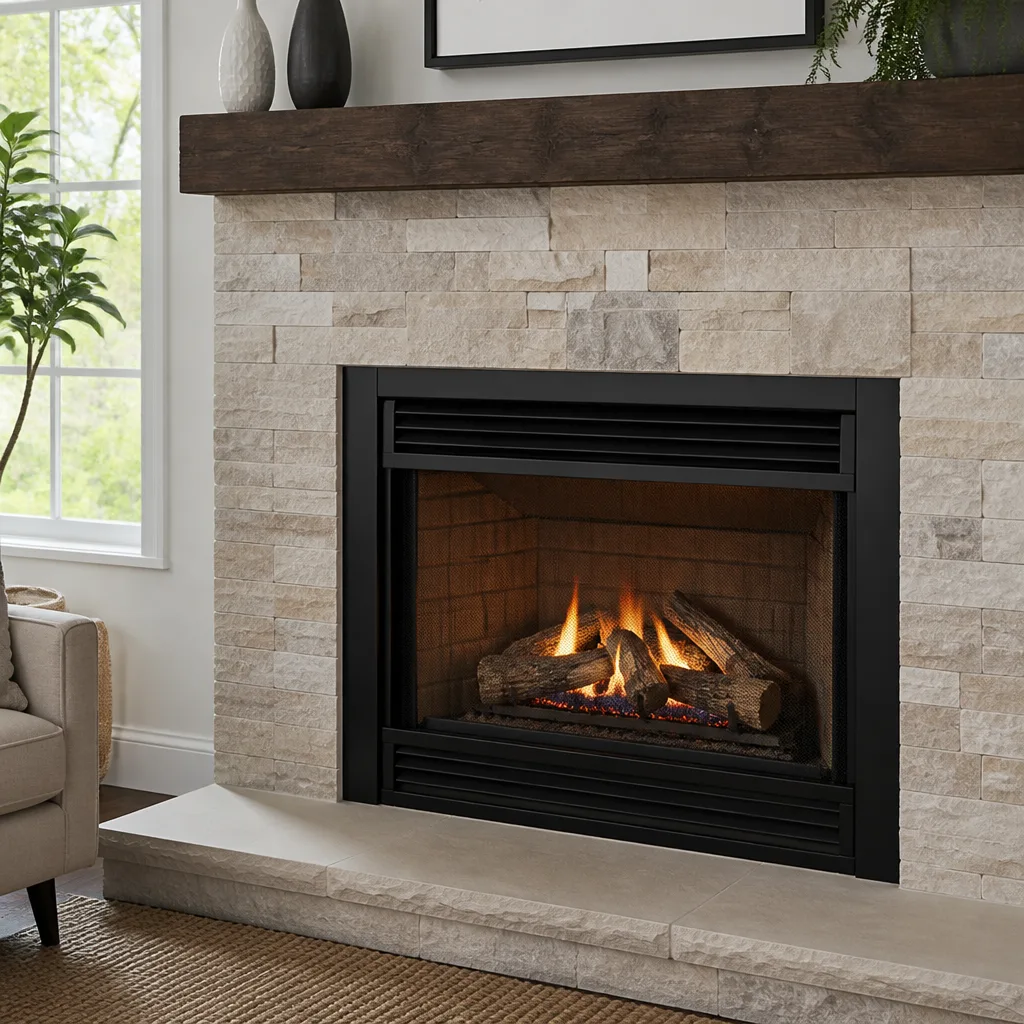 Gas fireplace service
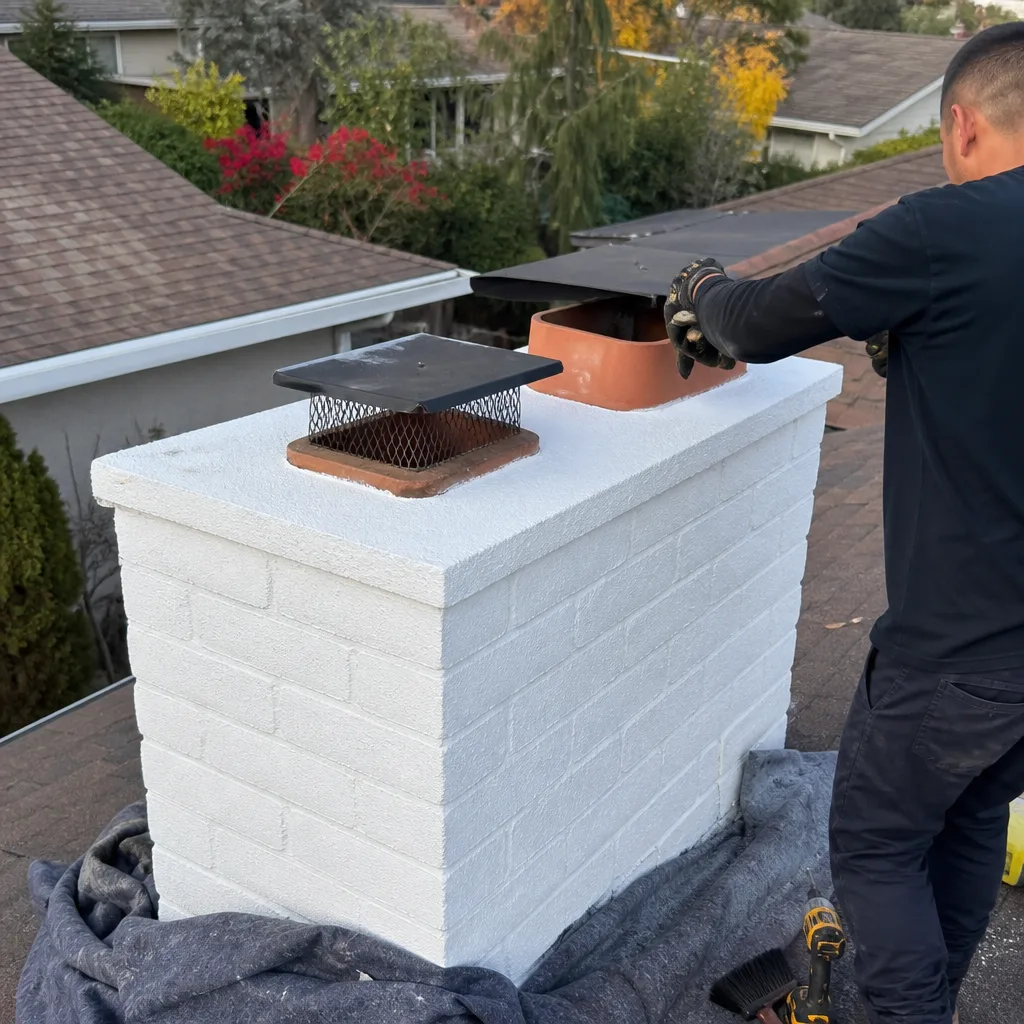
Level 1 sweep and inspection to the NFPA 211 annual standard - flue, crown, cap, and flashing checked and photographed
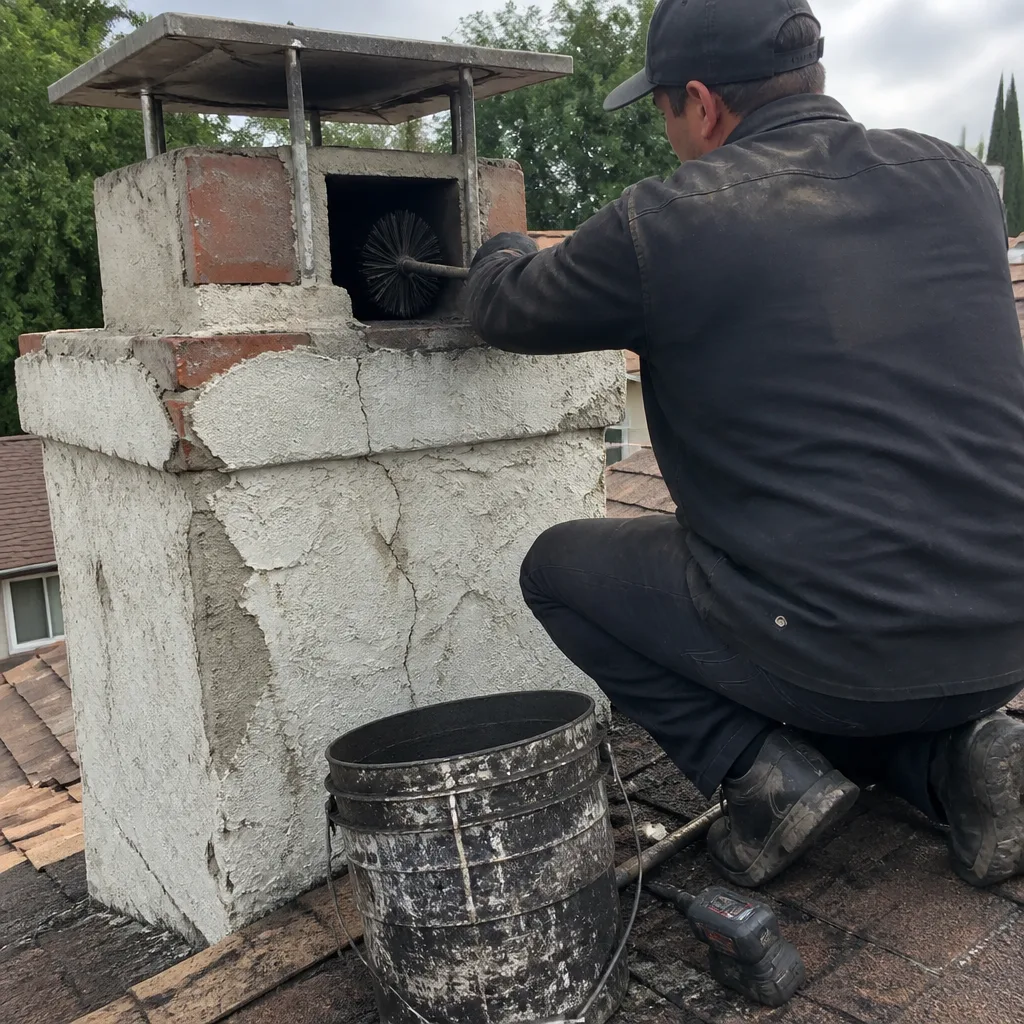
Chimney sweep logs do not sweep chimneys. They loosen some creosote - which then falls where a brush and vacuum still have to collect it.
Chimney Cleaning Emergency Preparedness Guide for Winnetka Homes
A chimney fire can burn through a flue liner in under two minutes. Most homeowners never realize it’s happening until they hear a deep roaring sound, like a freight train trapped inside the wall, and by then the decision window is already closing. This guide walks through what to do in the first 90 seconds, how to shut down a gas fireplace safely when something smells wrong, what to tell 911, and why documented chimney maintenance matters when you file an insurance claim in Winnetka.
Styles & brands we work with
- Sweep & inspection
- Caps & crowns
- Flue relining
- Masonry repair
- Gas fireplace service
Quick Answer
If you suspect an active chimney fire in your Winnetka home, close the damper to cut off oxygen, get everyone out, and call 911 from outside. For a gas smell from your fireplace, shut off the gas valve, do not flip light switches or operate electronics, open windows, and leave the house before calling your utility company or 911. Documented chimney cleaning and inspection records are the difference between a smooth insurance claim and a denied one after a chimney fire.
Table of Contents
- The First 90 Seconds: What to Do When You Suspect a Chimney Fire
- Gas Smell from Your Fireplace: The Shutdown Sequence That Prevents Disaster
- Post-Earthquake Chimney Protocol for Winnetka Homes
- What to Tell 911 About a Chimney Fire (It’s Not a Standard Structure Fire)
- How Documented Chimney Maintenance Affects Your Fire Insurance Claim
- Blocked Flue Discovered Mid-Use: Immediate Steps
- Prevention: The Maintenance Schedule That Prevents Most Emergencies
- Common Mistakes to Avoid
- When to Call a Professional
- Frequently Asked Questions
- The Bottom Line
The First 90 Seconds: What to Do When You Suspect a Chimney Fire
A chimney fire doesn’t look like a house fire. There’s no visible flame in the room, no smoke pouring out of the fireplace opening. What you get is a roar. It’s loud, it’s low, and it sounds like it’s coming from inside the wall, because it is. In Winnetka, where wood-burning fireplaces are used heavily during the cooler months from November through February, we hear the same description from homeowners again and again: “It sounded like a jet engine in the chimney.”
Here is the sequence, in order:
- Close the damper. This is the counterintuitive step most people get wrong. Your instinct is to open everything, to let the fire “breathe.” Do the opposite. Closing the damper cuts off the oxygen supply that’s feeding the chimney fire. A chimney fire is a contained burn inside the flue, and oxygen is its fuel. Remove the oxygen, and you slow it down immediately.
- Do not throw water on the fire in the firebox. The fire inside the chimney is not in the firebox. Throwing water on the logs creates steam and can crack the firebox or send hot embers into the room. The water does nothing to the fire above the damper.
- Close the fireplace doors or glass screen. If you have them, close them. This contains any sparks or embers that might pop out.
- Get everyone out of the house. Do not wait to see if it dies down. Do not go upstairs to grab anything. A chimney fire can spread to the attic or through cracks in the flue into wall cavities in under two minutes. Winnetka homes built in the 1950s and 1960s often have wood framing directly adjacent to the chimney chase, and that framing is dry after decades of exposure to heat.
- Call 911 from outside. Tell the dispatcher it’s a chimney fire, not a structure fire. This matters more than most people realize, and we’ll cover exactly what to say in a later section.
After the fire department clears the scene, do not use the fireplace again. Not even once. A chimney fire damages the flue liner, often in ways you cannot see from inside the house. The next fire you light could vent directly into the attic or wall cavity through a crack that wasn’t there before. A Chimney Sweep in Winnetka can perform a Level 2 inspection with a camera to document the damage and determine what repair is needed before the fireplace is safe to use again.
Gas Smell from Your Fireplace: The Shutdown Sequence That Prevents Disaster
Natural gas has no smell. The rotten-egg odor you detect is mercaptan, an additive utilities inject specifically so you’ll notice a leak. If you smell it near your gas fireplace in Winnetka, the order of your actions matters. Doing steps out of sequence can turn a small leak into an explosion.
Here is the correct sequence:
- Do not flip any light switches. Not on, not off. A light switch creates a tiny spark inside the wall. If gas has accumulated in the room, that spark is enough to ignite it.
- Do not unplug anything or plug anything in. Same reason. Electrical connections arc, and arcs are ignition sources.
- Do not use your phone inside the house. Cell phones are low-risk but not zero-risk. Wait until you’re outside.
- Shut off the gas valve to the fireplace. Most gas fireplaces in Winnetka have a shutoff valve on the wall next to the unit, a keyed valve in the floor, or a valve in the cabinet below the firebox. You want the quarter-turn ball valve, not the key for lighting. Turn it 90 degrees. If you don’t know where this valve is, skip this step and leave.
- Open windows on your way out. If it’s safe to do so, open the windows to vent the gas. This reduces the concentration, lowering the explosive risk.
- Leave the house. Get everyone out, including pets. Do not re-enter.
- Call your gas utility or 911 from outside. Tell them you smell gas from a fireplace, not from an appliance in the kitchen or a furnace. This helps them bring the right detection equipment.
The wrong sequence, specifically flipping a light switch before shutting off the gas, is how gas leaks become explosions. Gas fireplace valves in Winnetka homes that are older than 15 to 20 years are a common leak point: the valve seats wear out, and the flexible connector lines degrade. A Chimney Repair in Winnetka technician can test the entire gas line from wall to burner and replace the connector if needed. We use professional-grade components including Famco and Copperfield connectors, not the off-the-shelf substitutes that big-box stores carry.
Post-Earthquake Chimney Protocol for Winnetka Homes
Winnetka sits in the San Fernando Valley, an area with documented seismic activity. The 1994 Northridge earthquake collapsed more chimneys than any single event in modern California history, and many of those were in the Valley. A brick chimney is one of the most vulnerable structural elements in any home during an earthquake, and the failure is rarely obvious from the ground.
Here’s the reality: after any earthquake strong enough to rattle dishes or knock items off shelves in Winnetka, your chimney should be treated as damaged until proven otherwise. Not casually inspected from the ground with binoculars. Actually inspected, with a camera, inside the flue and at the crown.
Why the ground-level check fails: seismic damage in chimneys typically presents as hairline cracks in the flue liner or separation between the flue tiles. These cracks are inside the chimney, invisible from the outside. The mortar joints on the exterior may look fine while the internal liner, the thing that actually contains the fire and its byproducts, is compromised. Lighting a fire with a cracked liner sends heat and combustion gases into the gap between the liner and the chimney structure. From there, it can reach framing.
The protocol:
- Any earthquake strong enough to knock items off shelves: Level 2 camera inspection before the next use. No exceptions.
- Any earthquake strong enough to crack drywall or shift furniture: Same Level 2 inspection, plus a visual check of the roof flashing and the chimney crown.
- Any visible exterior damage: Do not use the fireplace at all until a professional has assessed it. Visible damage means the structure has moved, and where there’s visible movement, there’s hidden damage.
- If the chimney is leaning: Shut the gas off to any gas fireplace, close the damper, and stay out of the room below it until a structural engineer or qualified chimney contractor has looked at it. A leaning chimney is a collapse risk.
Most Winnetka homes with masonry chimneys are older construction, and many have already been retrofitted or partially repaired after past quakes. Retrofitted does not mean earthquake-proof. It means the last repair held. After the next significant event, the chimney needs to be checked again. A Chimney Sweep Winnetka home inspection includes a camera run through the entire flue, so you see the liner condition with your own eyes, not just a written summary.
What to Tell 911 About a Chimney Fire (It’s Not a Standard Structure Fire)
Dispatch protocols prioritize structure fires differently than contained chimney fires. The responding crew needs different instructions, and the information you provide in the first ten seconds of the call shapes how they approach your Winnetka home. Here’s what to say, and why.
The script, word for word:
- “I’m reporting a chimney fire.”
- “The house is [single-story / two-story].”
- “The fire is inside the chimney, not in the rooms.”
- “Everyone is out of the house.”
- “The address is [your address]. The closest cross street is [cross street].”
- “We closed the damper. The fireplace is [wood-burning / gas].”
Why each piece matters. Saying “chimney fire” tells dispatch this is a flue event, not a room-and-contents event. The responding engine will still roll full response, but the incident commander will plan for vertical fire spread through the chimney chase rather than horizontal spread through the structure. Telling them the house height matters because ladder placement is different for a one-story roof access versus a two-story. Confirming everyone is out means they don’t have to commit personnel to a search, which changes the initial tactical plan. Cross street information helps the engine find you faster, and in a chimney fire, speed matters.
The piece most people forget: tell them you closed the damper. The fire department will want to know what you did before they arrived. If the damper is closed, they’ll account for restricted airflow and the possibility that the fire has already begun to smolder down. If it’s open, they’ll expect an active, oxygen-fed burn. Either way, they’ll decide whether to drop a chemical fire suppression agent down the flue or attack it from the roof.
One thing you shouldn’t do: go back inside to “check on it” while waiting for the engine. The fire can flare back up, and the structure around the chimney may have already been compromised. Wait outside. Your job is done once the call is made.
How Documented Chimney Maintenance Affects Your Fire Insurance Claim
Here’s the part nobody tells you until after the fire. When you file a claim for chimney fire damage in Winnetka, the insurance adjuster’s first question is not “How bad is the damage?” It’s “When was the chimney last cleaned and inspected?” Your answer, and whether you can prove it, determines what happens next.
If you have documentation: receipts, inspection reports, photos from a camera inspection, dated cleaning records. The claim moves forward as a covered event. Chimney fires are not automatically excluded from standard homeowner policies, but they are scrutinized. Documentation shifts the burden away from you. The adjuster sees a homeowner who maintained a fire-safety system, and the fire becomes an accident rather than negligence.
If you don’t have documentation: the adjuster opens a negligence review. The question becomes whether the fire was preventable through routine maintenance, and the answer, in almost every case, is yes. Creosote buildup is the leading cause of chimney fires, and creosote buildup is preventable through regular sweeping. If you can’t show a cleaning record, the insurer may deny the claim outright or significantly reduce the payout, arguing that the damage resulted from lack of maintenance rather than an insurable event.
In Winnetka, where wood-burning fireplaces are used for several months each year, the recommended cleaning interval is annual or after every cord of wood burned, whichever comes first. More than that for soft woods like pine, which produce more creosote than hardwoods. If you burn wood regularly, having a Chimney Sweep in Winnetka documented cleaning on file is cheap insurance compared to the cost of a denied claim.
Keep your records in a specific place. A folder, a binder, a digital file on your phone. The claim process moves faster when you can produce a cleaning history without digging through years of paperwork. We provide a written report after every service, and homeowners in Winnetka routinely tell us those reports were the first thing they handed to their adjuster.
Blocked Flue Discovered Mid-Use: Immediate Steps
A blocked flue is different from a chimney fire. In a fire, you hear a roar. With a blockage, smoke backs up into the room, usually slowly at first, then all at once. In Winnetka, the most common causes of blockages are bird nests built in the spring, squirrel nests in the fall, and sections of deteriorated flue liner that have collapsed inward and are blocking the passage. Wind-driven debris is a lesser but real cause, especially in the Valley’s Santa Ana wind season.
If smoke starts rolling into your living room instead of going up the chimney:
- Open windows immediately. Carbon monoxide is already entering your home’s air. Smoke you can see, carbon monoxide you cannot, and it doesn’t take much to become dangerous. Ventilate fast.
- Close the damper if you can do so without putting your face over the fire. This slows the reverse draft. If the fire is too hot or the smoke too thick, skip this and move to step three.
- Extinguish the fire. Do not pour water on it. Use a fireplace shovel or poker to separate the logs and spread them out, which reduces the burn rate. If you have a fire extinguisher rated for Class A fires, use it from a distance. If the fire is gas, shut the gas valve off.
- Get everyone, including pets, outside. Do not stay inside to “air it out.” Carbon monoxide is odorless and heavier exposure builds quickly in a contained room.
- Call 911 if anyone has symptoms. Headache, dizziness, nausea, confusion. These are carbon monoxide poisoning signs. Symptoms matter more than the smoke you can see.
Do not attempt to poke a rod or pole up the chimney to dislodge the blockage, and do not light another fire to “burn it out.” What you dislodge may fall into the firebox or land on the smoke shelf, where it continues to block the flue at a different point. And if the blockage is a bird nest or squirrel nest, burning it out can ignite the material and start the chimney fire you were trying to avoid.
After a blockage is cleared, the chimney needs a camera inspection. The blockage itself is often a symptom of a deeper problem: a deteriorated liner, a missing chimney cap, or a bad spark arrestor that allowed animals in. A Chimney Repair in Winnetka specialist can go beyond clearing the flue and fix what let the blockage happen in the first place.
Prevention: The Maintenance Schedule That Prevents Most Emergencies
Every chimney emergency described in this guide, a fire, a gas leak, a blockage, a post-earthquake failure, is either caused by or made worse by deferred maintenance. The schedule below is what we recommend for Winnetka homes, given the local climate and the way fireplaces are actually used here.
Annual Chimney Sweeping
Once per year, before the burning season starts in late fall. If you burn more than one cord of wood in a season, sweep at the midpoint as well. Creosote accumulates with every fire, and even a quarter-inch of buildup is enough to sustain a chimney fire under the right conditions.
Level 2 Camera Inspection
Every two to three years, even if nothing seems wrong. A Level 2 inspection is the only way to see the inside of the flue liner, and that’s where problems develop silently. In Winnetka, we recommend it more frequently for homes with original clay tile liners, because those liners are aging out.
Chimney Cap and Spark Arrestor Check
Annually, ideally during the same visit as the sweep. The cap is what keeps rain, animals, and debris out. A missing or damaged cap is an open invitation for blockages, and the deterioration accelerates from there.
Gas Fireplace Connector and Valve Test
Every two years. The connectors on gas fireplaces degrade over time, and the flexible stainless steel lines used in many Winnetka installations can develop pinhole leaks. A proper test catches them before they become a gas smell in your living room. We use Copperfield connectors for replacements, which are built to a higher tolerance than the generic parts found at hardware stores.
Dryer Vent Cleaning
Yes, this belongs on your chimney maintenance schedule. The dryer vent is a fire-safety system that exhausts through the same type of venting as chimneys, and lint accumulation is a leading cause of residential fires in Winnetka. A Dryer Vent Cleaning in Winnetka should happen annually, more often for large households that run the dryer daily.
Each service creates documentation, and documentation is what protects you in an insurance claim, as covered earlier. The five-minute habit of filing each report is part of the preparedness plan.
Common Mistakes to Avoid
- Using water to put out a chimney fire. Water in a hot flue creates a thermal shock that can crack the liner and send steam and embers into the room. Close the damper, get out, call 911.
- Ignoring a “small” chimney fire because it went out on its own. The fire may have stopped, but the heat may have already damaged the liner. The next fire can be the one that spreads. Any chimney fire, even one that self-extinguishes, requires an inspection before the next use.
- Treating a gas smell around a fireplace as a nuisance rather than an emergency. Gas leaks do not fix themselves, and they do not get better. Shut off the gas, leave the house, call your utility or 911.
- Using the fireplace again after an earthquake without an inspection. Seismic events in the Valley routinely crack flue liners invisibly. The ground stops shaking, but the chimney doesn’t heal.
- Assuming home insurance covers chimney fire damage automatically. Coverage depends on maintenance documentation. No records, no clean claim. This is one of the most expensive mistakes a Winnetka homeowner can make, and it’s fully avoidable with a simple filing habit.
- Cleaning the chimney with a consumer-grade brush from a big-box store. Sweeping looks simple, and for a simple flue with light soot, it can be. But a consumer brush cannot remove hardened creosote, cannot detect a cracked liner, and cannot document the condition of the flue after cleaning. Chimney systems are fire-safety systems, and they deserve professional-grade tools and trained eyes.
- Deferring dryer vent cleaning because “it’s just a dryer.” Lint is tinder-dry, and the confined space of a dryer vent is exactly the kind of environment where small fires become wall-cavity fires. It’s a fire-safety system, full stop.
When to Call a Professional
Call after any chimney fire, even a small one that appeared to go out on its own, before the fireplace is used again. Call if you smell gas from your fireplace, after the utility or fire department has cleared the scene and you need the leak located and repaired. Call after any significant earthquake before you burn again. Call if smoke backs up into the room mid-use. Call if you hear animals in the chimney or see nesting debris at the cap. Call if your insulation claim depends on a documented cleaning and inspection record. Chimney Sweep Winnetka offers free estimates in Winnetka for chimney sweeping, repair, and dryer vent cleaning. Call (877) 939-1446 to schedule, or to ask about anything in this guide.
Frequently Asked Questions
Annually, before the burning season begins in late fall. Homes that burn more than a cord of wood per year should schedule a second cleaning mid-season, because creosote accumulates faster with frequent use, and softwoods like pine, common in Winnetka, produce more creosote than hardwoods. Call (877) 939-1446 for a free estimate and a recommendation based on how you actually use your fireplace.
A chimney fire sounds like a low, continuous roar coming from inside the wall or chimney, often compared to a freight train or a jet engine. It is loud enough to be heard in adjacent rooms, and it does not sound like a crackling fireplace fire. If you hear it, close the damper, get everyone out, and call 911 from outside.
Not without an inspection. Earthquakes crack flue liners and shift chimney structures, and the damage is usually invisible from inside the house. A Level 2 camera inspection is the only reliable way to confirm the chimney is safe to use after the ground has moved. This applies even if the earthquake felt minor to you.
Yes, and it’s the single most effective prevention measure available. Chimney fires are caused by the ignition of creosote, a byproduct of wood combustion that accumulates on flue walls. Annual sweeping removes creosote before it reaches a thickness that can sustain a fire. It’s not a guarantee against every possible cause, but it eliminates the most common one.
It depends on your maintenance documentation. Most Winnetka homeowner policies cover chimney fire damage, but only when the homeowner can show a history of regular cleaning and inspection. Without records, insurers often classify the fire as preventable negligence and may deny or reduce the claim. Keep your cleaning and inspection reports in a dedicated file.
Yes. Lint accumulation in dryer vents is one of the leading causes of residential fires in the United States, and the venting system functions on the same principle as a chimney: it exhausts heat and particulates through a confined space. Annual cleaning, more often for large households, keeps the vent clear and the system safe.
The Bottom Line
Chimney emergencies in Winnetka are rarely random. They follow patterns: creosote accumulation in wood-burning fireplaces, undetected gas connector leaks in aging installations, blockages from missing caps, liner cracks from seismic activity. Each of these has a corresponding prevention measure, and each prevention measure is a scheduled service, not a reaction. But when the emergency happens anyway, the order of your actions matters. Close the damper. Shut the gas. Leave the house. Call 911 from outside. And keep the records that prove you maintained the system. Preparedness is not a feeling, it’s a sequence, and the sequence is the difference between a scare and a loss.
Written by the team at Chimney Sweep Winnetka, serving Winnetka since 2014.
See the difference
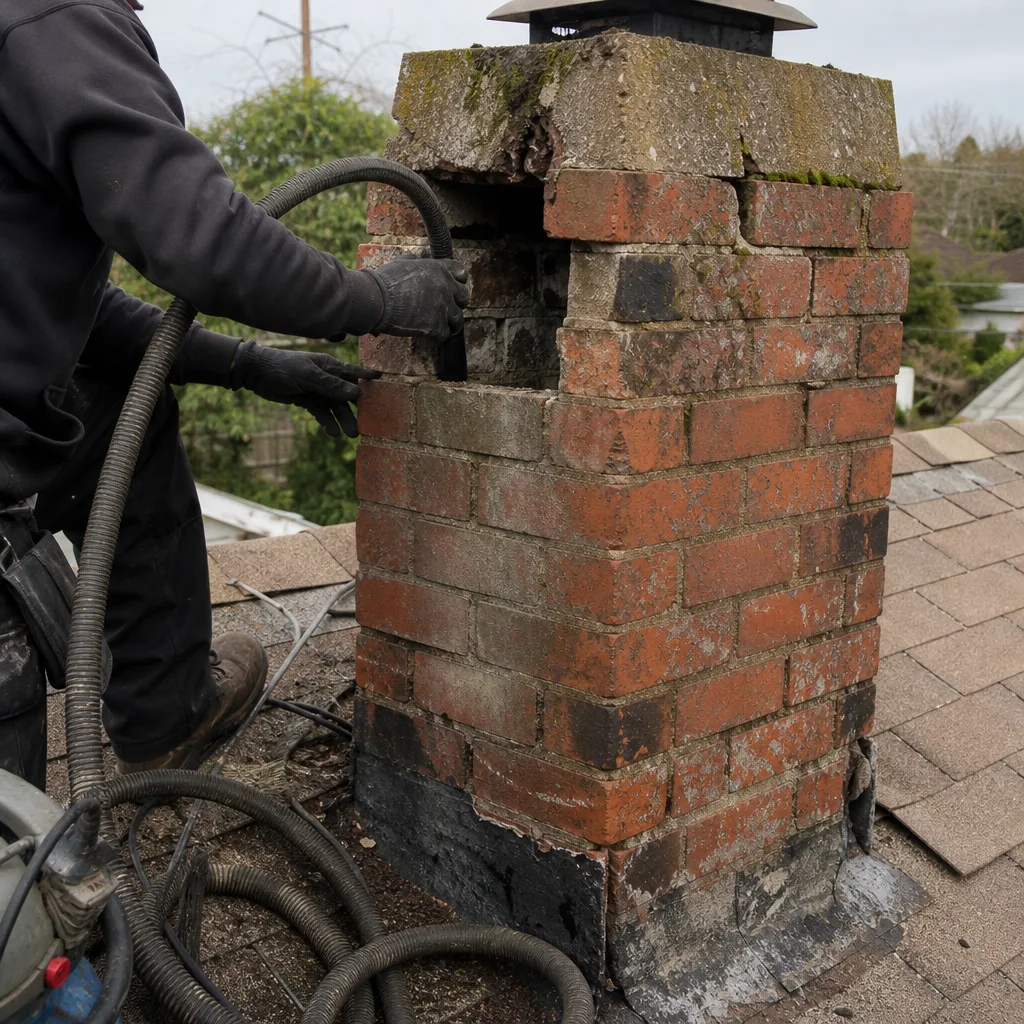 Before
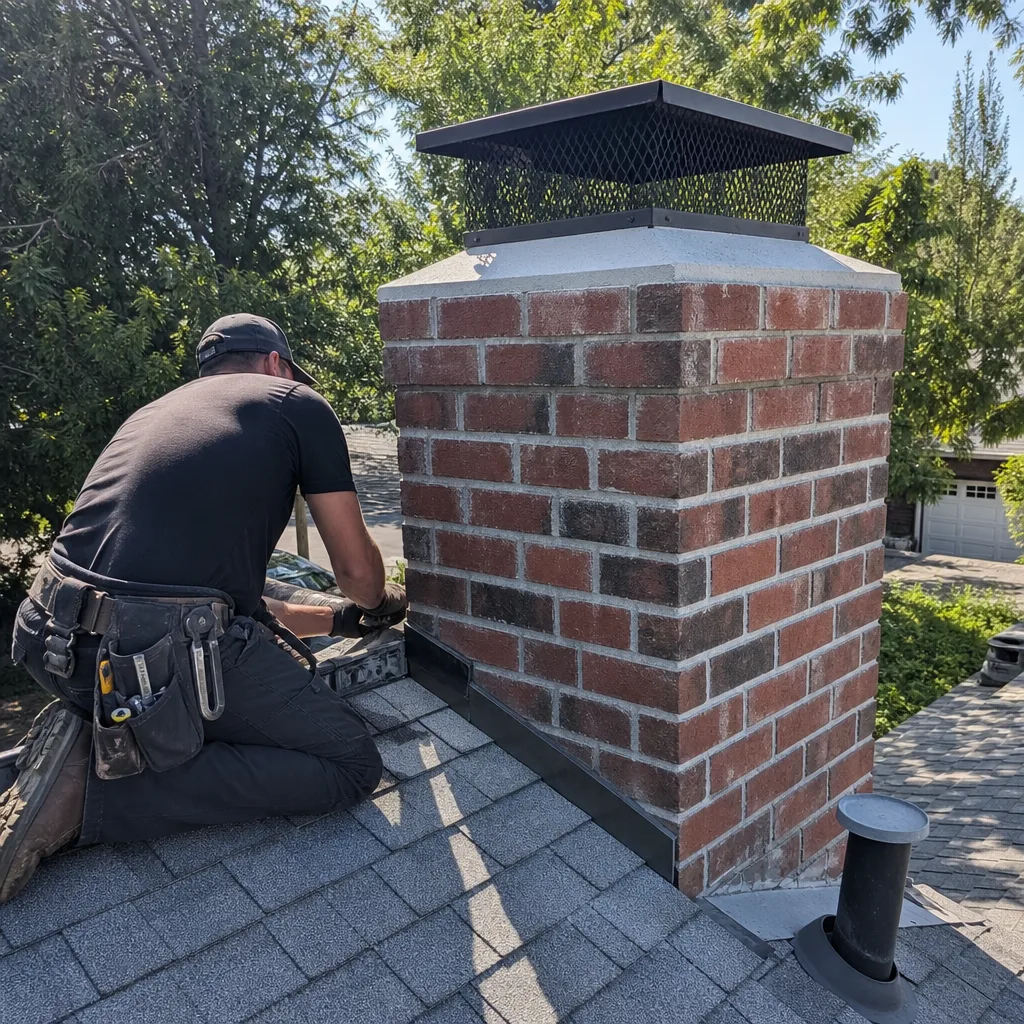 After
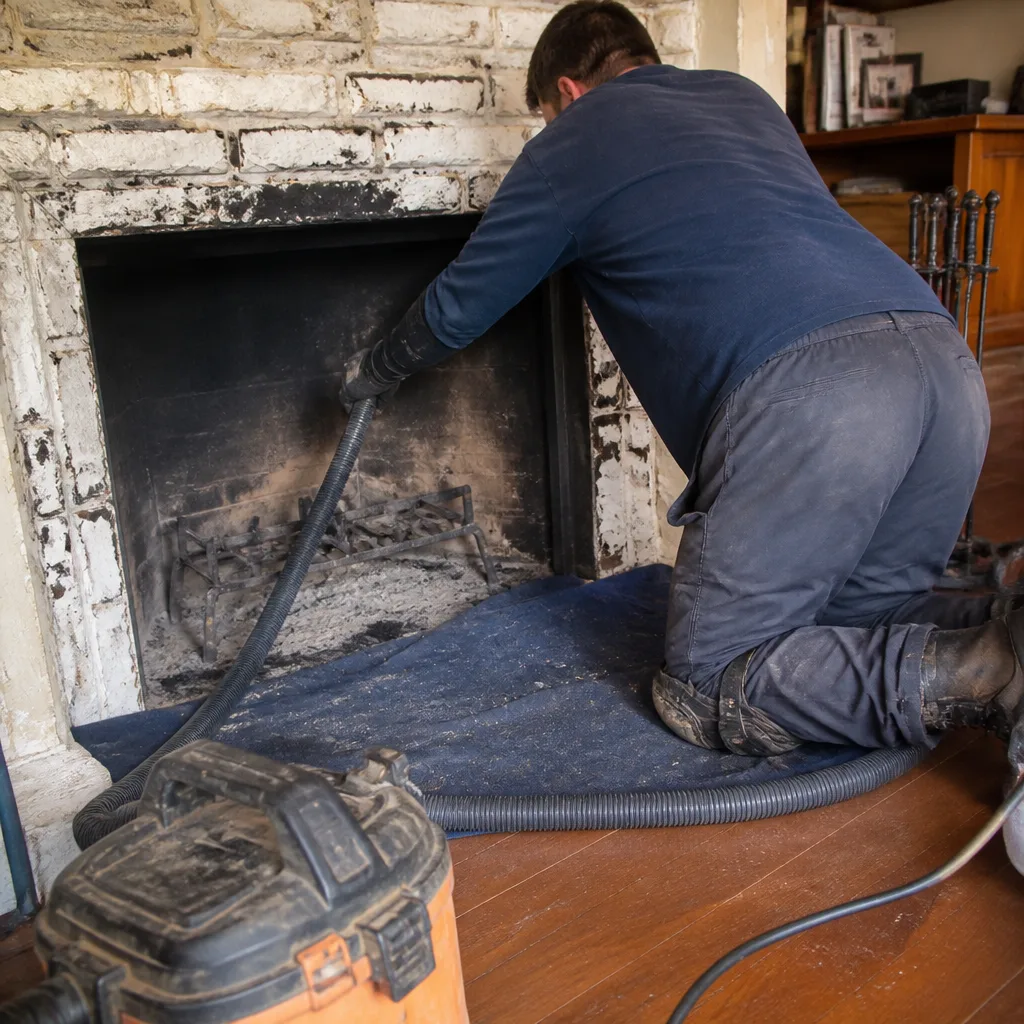 Before
 After
 Before
 After