
Last updated November 2, 2026
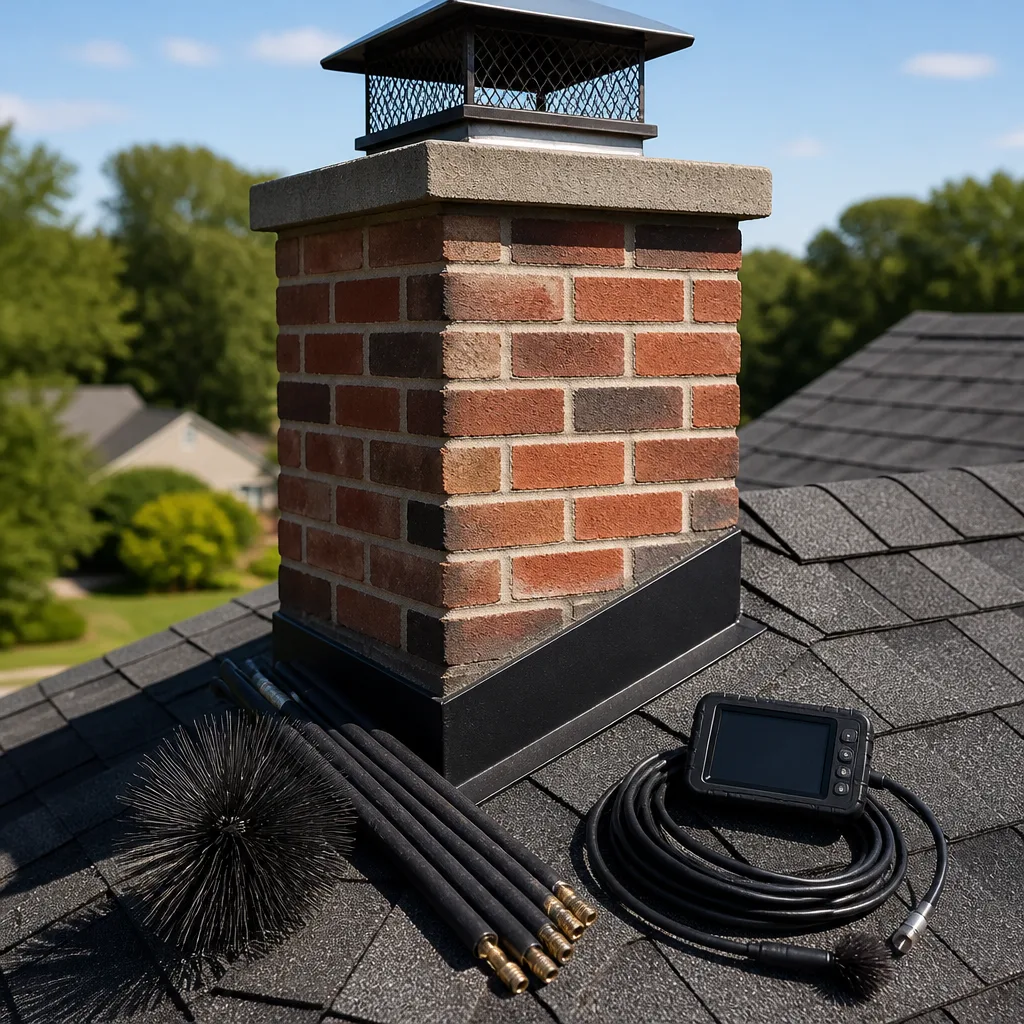 Sweep & inspection
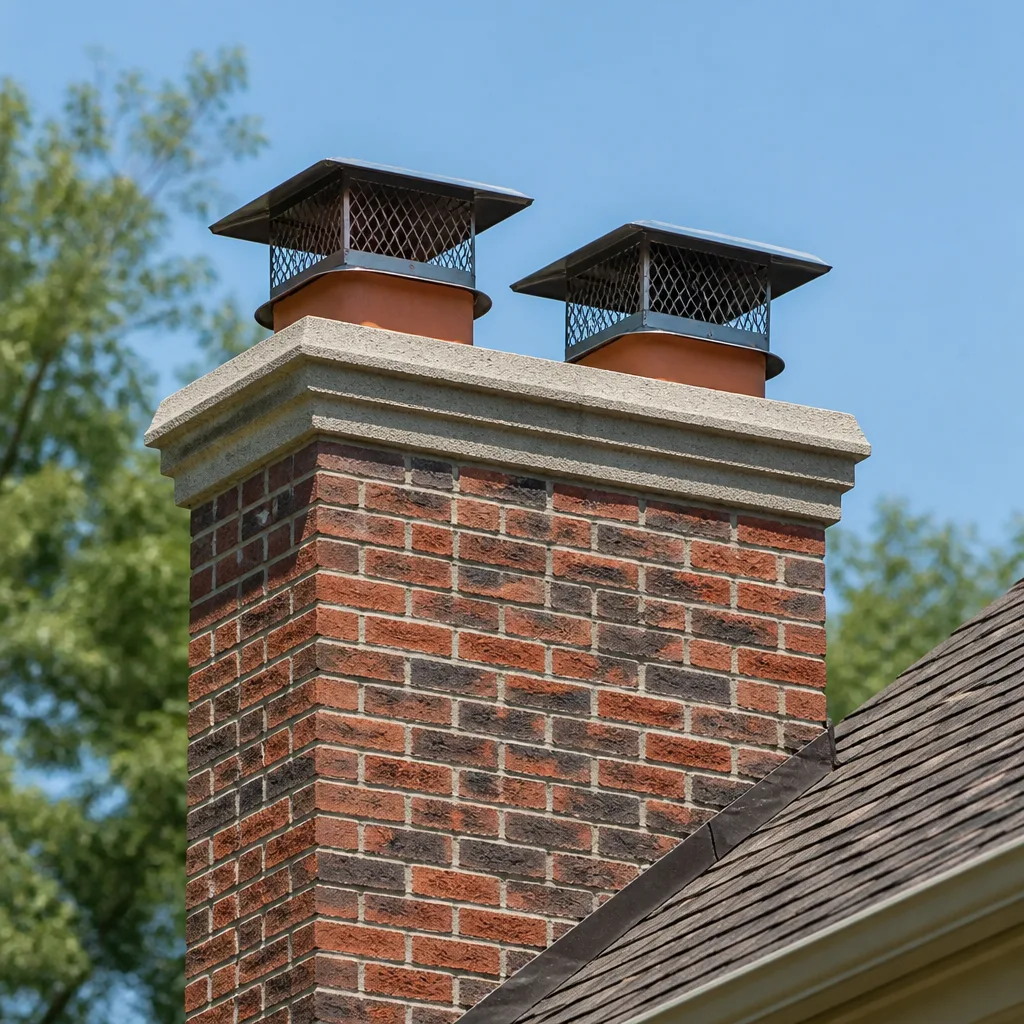 Caps & crowns
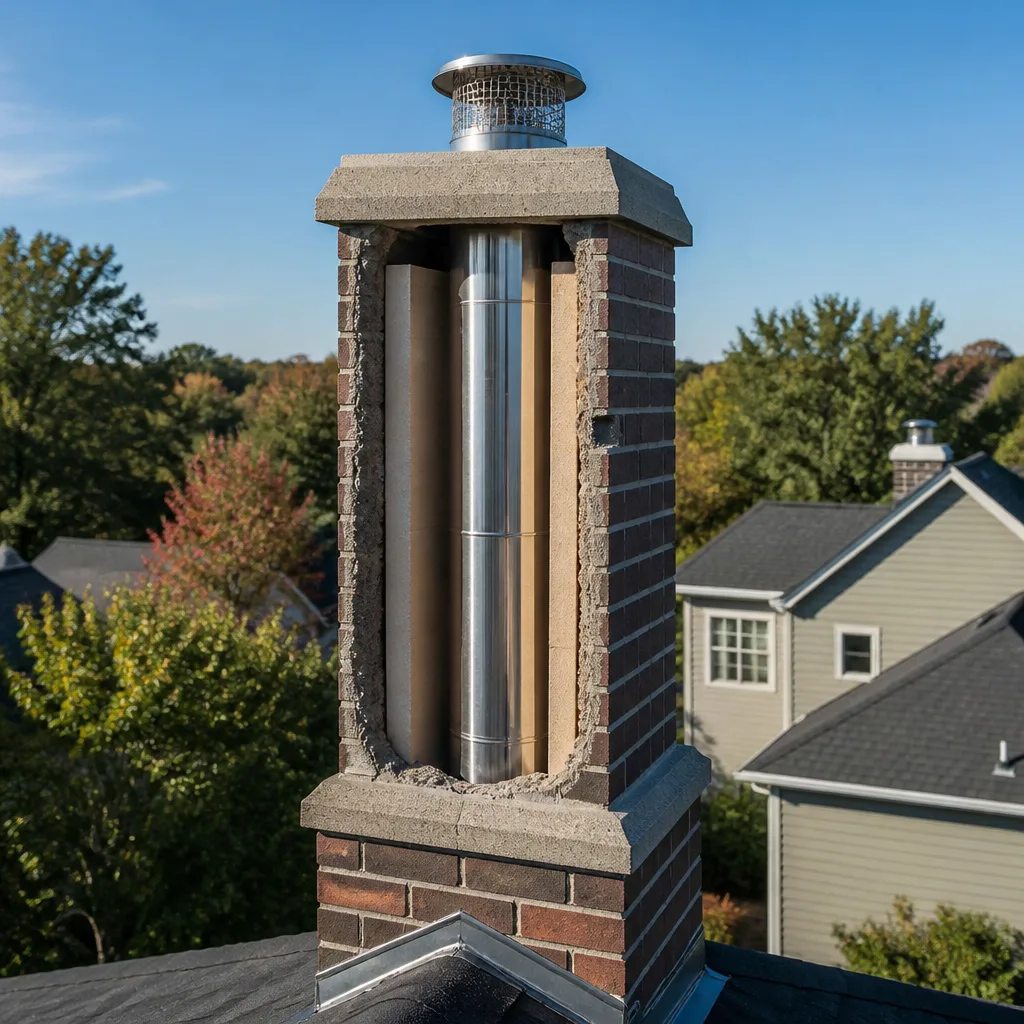 Flue relining
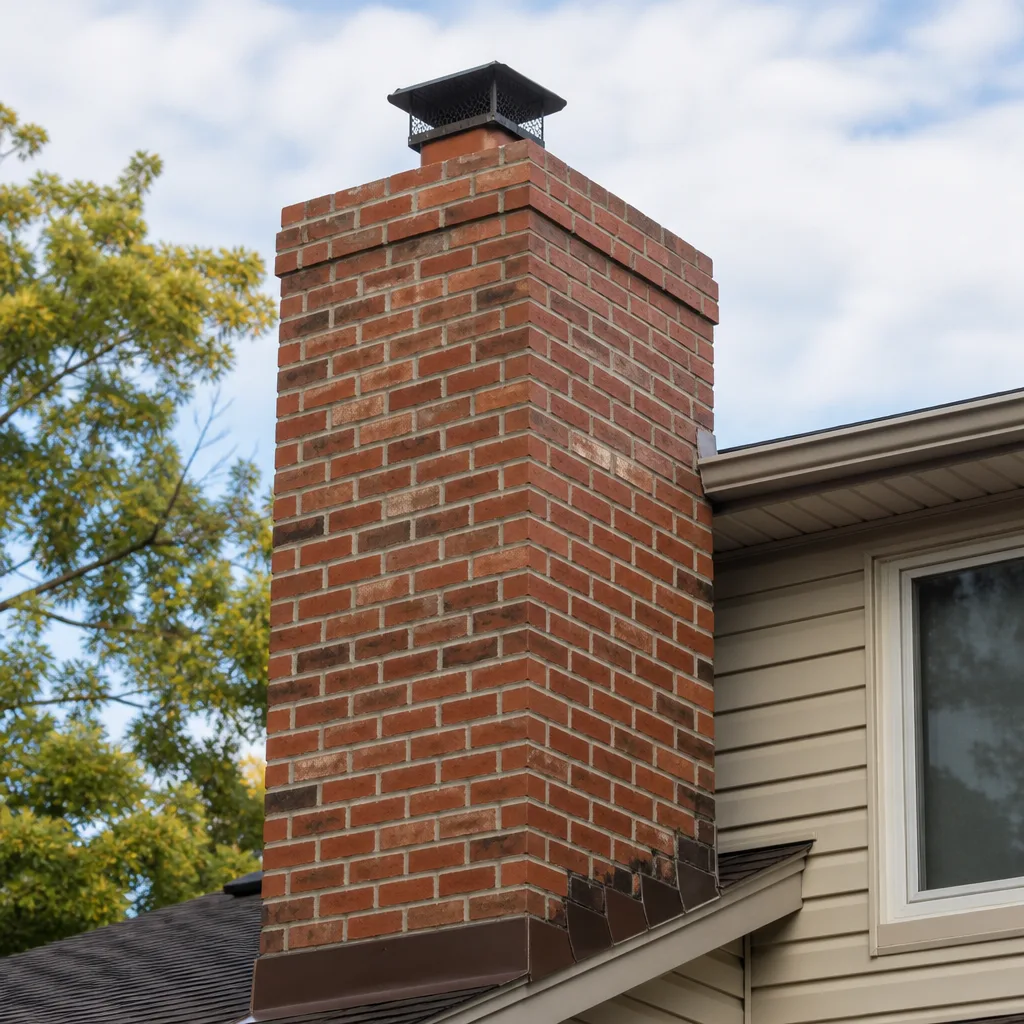 Masonry repair
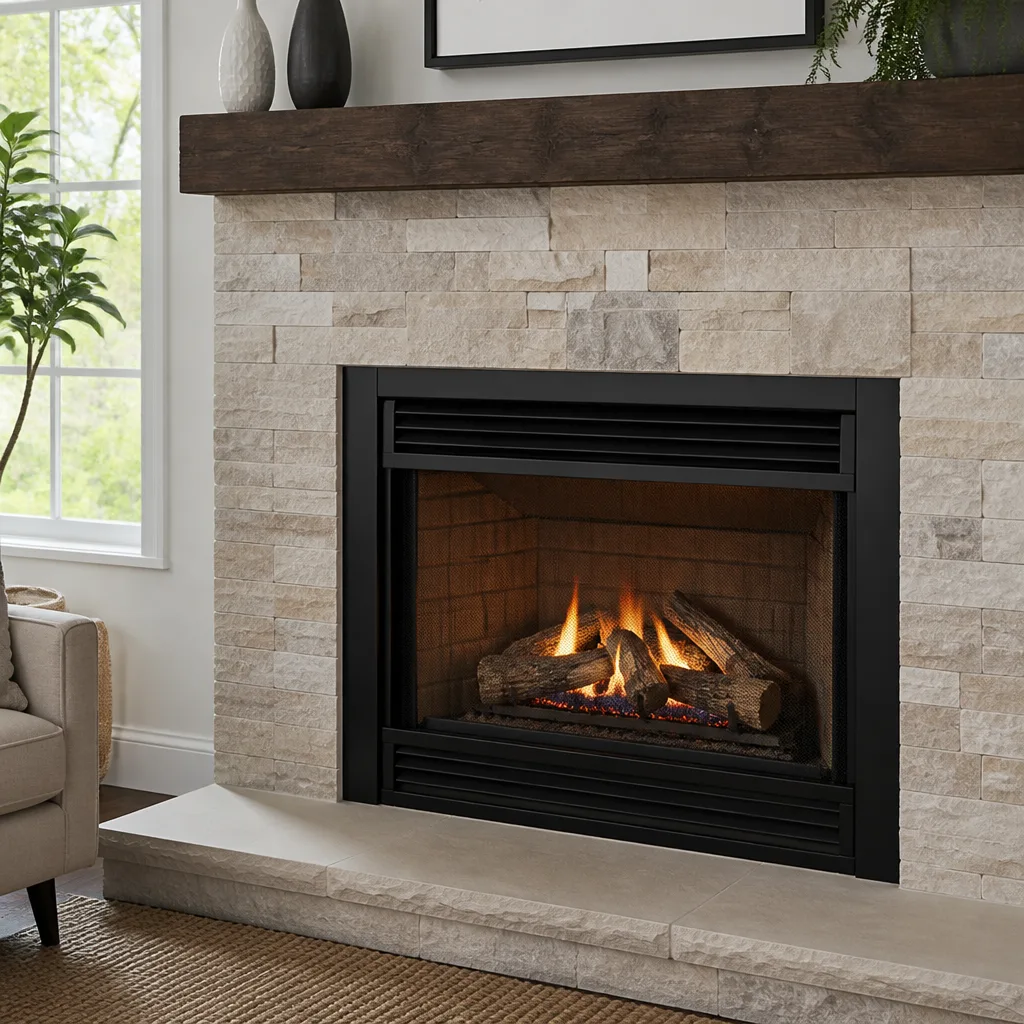 Gas fireplace service
Level 1 sweep and inspection to the NFPA 211 annual standard - flue, crown, cap, and flashing checked and photographed
Chimney sweep logs do not sweep chimneys. They loosen some creosote - which then falls where a brush and vacuum still have to collect it.
How to Hire a Chimney Cleaning Contractor in Winnetka: A Step-by-Step Guide
Here’s something most Winnetka homeowners don’t realize until they start making calls: California has no state licensing requirement specifically for chimney sweeps. A contractor with “Chimney Services” painted on the van might be a certified professional with years of trade training, or a general handyman who bought a brush last spring. That gap means the vetting work falls on you. This guide walks through a concrete process for separating credentialed specialists from opportunists, with specific questions to ask, red flags that signal trouble, and the local factors that matter in Winnetka specifically.
Styles & brands we work with
- Sweep & inspection
- Caps & crowns
- Flue relining
- Masonry repair
- Gas fireplace service
Quick Answer
To hire a qualified chimney cleaning contractor in Winnetka, verify CSIA or equivalent certification directly through the credentialing body’s online directory, confirm the contractor carries liability insurance that explicitly covers chimney work, ask whether the service includes a Level 1 or Level 2 inspection (not just a sweep), request written proof of any repair recommendations with camera documentation, and compare quotes that itemize the same scope of work. In short: certification plus insurance plus documented inspection, verified before you book, is the floor for any contractor you let near your flue.
Table of Contents
- Why Hiring a Chimney Contractor in Winnetka Is Harder Than It Looks
- Step 1: Verify Certification Directly, Never by Word of Mouth
- Step 2: Ask About Liability Insurance, Specifically for Chimney Work
- Step 3: Confirm the Inspection Level Included in the Quote
- Step 4: Demand Camera Evidence for Every Repair Recommendation
- Step 5: Read Reviews Like a Chimney Professional Would
- Step 6: Ask What Happens When the Sweep Finds Real Damage
- Why This Matters More in Winnetka Specifically
- Common Mistakes to Avoid
- When to Call a Professional
- Frequently Asked Questions
- The Bottom Line
Why Hiring a Chimney Contractor in Winnetka Is Harder Than It Looks
The term “chimney sweep” sounds regulated. It is not. California requires contractors performing work over $500 to hold a general contractor’s license from the Contractors State License Board, but chimney sweeping as a standalone service falls into a gray area where no category exists exclusively for flue maintenance. A CSLB-licensed general contractor may have no chimney-specific training whatsoever. Conversely, a certified chimney professional may operate legally under a smaller services exemption without holding a general contractor designation. In Winnetka, where wood-burning fireplaces are common in homes built from the 1950s through the 1980s, that regulatory gap plays out across dozens of competing listings with wildly different qualifications.
What should a homeowner actually look for? The credential that matters is from the Chimney Safety Institute of America (CSIA), and it is voluntary. Certified sweeps choose to prove their knowledge through examination and continuing education. That distinction – voluntary credential versus legal minimum – is the single most reliable filter in this industry. A contractor who bothered to get certified made a deliberate, recurring investment in doing chimney work correctly. A contractor who did not may still do fine work, but you have no independent basis to know that before they stand in your living room with a high-speed brush.
Step 1: Verify Certification Directly, Never by Word of Mouth
Certification claims are easy to make and, unfortunately, easy to fake. The CSIA maintains a searchable directory of certified sweeps at csia.org, and verification takes under 60 seconds. Type in the company name or the individual’s name. If they appear, they hold a current certification. If they do not, no matter what their website or truck says, they are not CSIA-certified this year. Certification lapses when continuing education requirements are not met, so a certificate hanging in the office from 2017 means nothing.
What does CSIA certification actually require? A candidate must pass an exam covering fire codes, clearances, combustion principles, and installation standards. Certified sweeps must recertify every three years by demonstrating continuing education credits. The credential is not a lifetime achievement award. It is renewed proof that the person understands how venting systems fail and how to work on them safely.
Certification is the floor, not the ceiling. A CSIA credential tells you the contractor knows what a Level 2 inspection is, understands combustion safety, and can identify code violations. It does not tell you they do good repair work, show up on time, or communicate honestly. Those things you verify in later steps. But starting with Chimney Sweep in Winnetka providers who hold current certification eliminates a meaningful percentage of the risk before you make a single phone call.
Step 2: Ask About Liability Insurance, Specifically for Chimney Work
Here’s a question most homeowners skip because it feels impolite: “Do you carry liability insurance that specifically covers chimney cleaning and inspection work?” The distinction matters more than the coverage amount. General liability policies for contractors typically cover carpentry, painting, or handyman services. Chimney work falls outside those policy categories, and many general contractor policies explicitly exclude flue-related services. That means a contractor with “fully insured” painted on the truck may have zero coverage for what they are about to do inside your chimney.
Ask for the policy directly. A legitimate professional will send you their certificate of insurance without hesitation. You want to see coverage that names chimney sweeping and inspection among the covered operations. Also confirm worker’s compensation coverage if the contractor employs helpers, because a ladder fall on your property without worker’s comp can become your problem through your homeowner’s insurance.
In Winnetka, where many homes have two-story rooflines and tile roofs that are genuinely awkward to work on, the risk of an access injury is real. Before anyone puts a ladder against your fascia, you should know their policy covers the person climbing it. This single conversation saves homeowners from a very specific kind of financial exposure that most never consider until something goes wrong.
Step 3: Confirm the Inspection Level Included in the Quote
A chimney sweep is not just dust removal. The National Fire Protection Association (NFPA 211) defines three levels of chimney inspection, and the level performed changes what the service actually tells you about your fireplace. Understanding this distinction before you compare quotes is the single most powerful thing a homeowner can bring to the negotiation.
Here’s what the levels mean in plain terms:
- Level 1 inspection: A visual check of the readily accessible portions of the chimney, firebox, and flue interior. This is the standard accompaniment to routine sweeping when nothing has changed about the system.
- Level 2 inspection: Everything in Level 1 plus inspection of accessible attic, crawlspace, and roof areas, typically with video scanning of the flue interior. Required when the property changes hands, after a chimney fire, after an earthquake, or when the system is converted to a different fuel type.
- Level 3 inspection: A Level 2 inspection plus partial demolition of chimney structure to access concealed areas. Rarely needed after a known event like a chimney fire, and only when serious damage is suspected.
Most sweep quotes in Winnetka include a Level 1 inspection or none at all. A quote that lists cleaning price but never mentions inspection level is a red flag we’ve seen too often, because it means the contractor is proposing to remove soot without actually assessing system condition. You would not hire a mechanic to rotate your tires and be fine with them never glancing at the brakes. The flue is the part of your fireplace you cannot see, and every professional service includes at minimum a Level 1 inspection of it as part of the work. If the quote does not mention inspection, ask whether it is included. If the answer is no or evasive, end the call.
Homes in Winnetka that have not had a documented Level 2 inspection in the last decade are worth upgrading to one, especially after the notable seismic events Southern California has experienced. Flues shift. Mortar joints crack. A Level 2 camera scan shows problems a flashlight cannot, and it is standard procedure for any Chimney Sweep in Winnetka service that owns modern video equipment.
Step 4: Demand Camera Evidence for Every Repair Recommendation
The single most common complaint about chimney contractors nationwide is being told they need expensive repairs they cannot verify. Sometimes the recommendation is legitimate. Sometimes it is upselling. Homeowners in Winnetka are not structural engineers, and the inside of a flue is invisible from the hearth. That imbalance creates the opening for bad actors, and it creates anxiety even with honest companies because you are being asked to trust a diagnosis you cannot see.
The fix is simple: require camera documentation. A proper video inspection records the condition of the flue liner, smoke chamber, and interior surfaces. The footage exists regardless of what the contractor wants to show you. If a company recommends a new liner, ask to see the video. If they recommend HeatShield resurfacing or a DuraFlex relining system, ask to see exactly where the existing liner has failed. A legitimate repair recommendation comes with visual evidence you can watch on an iPad or your own phone. A contractor who recommends thousands of dollars of work based on “what we saw up there” without footage is not operating at a professional standard.
This standard protects honest contractors too. When a homeowner sees cracked flue tiles with condensation damage on camera, the repair conversation becomes collaborative instead of adversarial. That is exactly how professional repair should work. We stock and install Chimney Repair in Winnetka solutions using HeatShield and DuraFlex systems because our technicians need a verifiable, warrantied liner product when camera inspection reveals damage. The camera finding drives the product choice, never the other way around.
Step 5: Read Reviews Like a Chimney Professional Would
Five-star reviews are not the filter most people think they are. A pleasant contractor who does mediocre work can accumulate hundreds of positive reviews from homeowners who enjoyed the conversation and never had a follow-up issue they connected back to the sweep. Your job is to read reviews for signals of technical competence, not interpersonal warmth.
What signals should you look for? The details that would only appear if the reviewer understood what they watched happen:
- Mentions of specific inspection findings: “He showed me video of a cracked flue tile” or “She found the damper was rusted through.” These reviews describe technical work, not just the visit experience.
- References to equipment: “They ran a camera up the flue” indicates a Level 2-capable company. “They tarped the fireplace and had a proper vacuum running” indicates a contractor who understands dust containment.
- Cleanup described concretely: “No soot anywhere after they left, floor was covered, they wore shoe covers.” This shows a process, not an accident.
- Willingness to answer questions: Reviews that say “he walked me through what he was doing and why” indicate a contractor who treats the homeowner as a client, not an inconvenience.
What should make you skeptical? Reviews that are all personality and no substance: “Super nice guy, will definitely use again” with zero mention of what was actually done. A pattern of reviews praising speed but not thoroughness. Contractors with dozens of reviews but no mention of equipment, inspections, or findings. In the chimney world specifically, a good review describes work observed, not just time spent.
Step 6: Ask What Happens When the Sweep Finds Real Damage
Most chimney companies in the Winnetka market are sweep-only operations. They clean flues. When they spot a cracked liner or a deteriorating smoke chamber, they refer the work out to a masonry or repair contractor. That referral creates a gap: the person recommending the repair cannot perform it, and the person performing it did not find it. Miscommunication flourishes in that gap.
Ask directly: “If the inspection finds structural problems, does your company perform the repair, or do you refer it out?” Both models can work. A sweep-only company with trusted referral partners is a legitimate operation. But you want to know upfront, because the difference changes how you evaluate the recommendation and who you hold accountable if the repair is done incorrectly.
There is a meaningful advantage to hiring a contractor who sweeps, inspects, and repairs under one roof. The person who diagnoses the flue is the same person accountable for fixing it. If the repair fails, there is no finger-pointing between the cleaner who missed it and the mason who installed it. At Chimney Sweep Winnetka home, our model assumes the technician who runs the camera may be the same technician who installs the DuraFlex relining system or performs the HeatShield resurfacing. That continuity matters when a crack is borderline and the decision to repair now versus monitor for a year requires judgment.
If you do work with a company that subcontracts repair, ask three questions: Who exactly will perform the work, are they licensed and insured separately, and does the chimney company warrant the subcontractor’s work or will you be chasing the sub directly if something fails. If the answers are vague, you are accepting risk you cannot see.
Why Combining Cleaning and Repair Matters in Practice
The practical reason to consolidate Chimney Repair in Winnetka with sweeping under one contractor is sequencing. A sweep who finds a failed liner can stop cleaning, because cleaning a chimney with a compromised liner risks pushing debris into the home or worsening the failure. A company that can transition directly from diagnosis to repair saves the homeowner from paying for a sweep that cannot be safely completed, scheduling a second company, and coordinating two invoices. Professional-grade materials like Gelco and Olympia Chimney components are stocked by specialists who repair as a routine part of their practice, not an occasional detour.
Why This Matters More in Winnetka Specifically
Winnetka sits in the western San Fernando Valley, where older housing stock, seasonal wildfire concerns, and specific climate patterns make chimney maintenance more than a cosmetic routine. The valley’s summer heat cycles bake masonry and flue liners year after year, expanding and contracting materials that were installed decades ago. That thermal cycling accelerates mortar joint deterioration and creates the hairline cracks that eventually make a flue unsafe, even in a home where the fireplace works fine on the surface.
Winnetka also sits close enough to high-fire-risk zones that a chimney spark arrester is not optional equipment. A functioning spark arrester prevents embers from leaving the flue and landing on your roof or a neighbor’s dry landscaping. During Santa Ana wind events, which regularly reach the western valley, that arrester is the difference between a routine fire and a structure fire. A Level 1 inspection should include checking the arrester, and a damaged or missing arrester is a repair priority in this area specifically.
Local homes built before the early 1980s frequently have unlined or clay-tile-lined flues. Clay tiles crack over decades of thermal stress, and the gap between tile sections is where creosote accumulates and chimney fires start. A camera inspection in an older Winnetka home often reveals damage the homeowner has been happily unaware of for years. That is not fear-mongering. It is the engineering reality of masonry chimneys in a climate that cycles between 45-degree winter nights and 110-degree summer days.
Dryer Vent Cleaning in Winnetka belongs in the same conversation because the same valley dust that settles on your patio furniture enters your dryer exhaust system. Winnetka’s air carries fine particulate that accumulates in dryer vents faster than in coastal neighborhoods, which shortens the safe interval between cleanings and makes routine vent maintenance a fire-safety calculation, not a convenience schedule.
Common Mistakes to Avoid
- Hiring based on price alone. A $79 sweep special is a specific business model. It means the technician must finish quickly and is incentivized to find repairs worth more than the visit. A proper sweep with a Level 1 inspection takes a minimum of 45 to 60 minutes. Winnetka homeowners who choose the cheapest option are often paying for a dusting, not a service.
- Assuming “licensed and insured” covers chimney work. As covered above, general contractor policies routinely exclude flue-related services. Verify coverage covers chimney operations specifically.
- Skipping the inspection when the fireplace “works fine.” The most dangerous chimneys are the ones that have gone years without professional eyes on the flue interior. A working fireplace tells you nothing about liner condition.
- Not asking about cleanup procedure before the appointment. Professional sweeps use drop cloths, HEPA vacuums, and proper containment. A contractor who cannot describe their dust control process is likely to leave a layer of fine soot on your furniture.
- Ignoring a recommendation to repair without a second opinion. If a contractor recommends a liner replacement and shows you video evidence, that is credible. If the evidence is absent or the explanation is hand-wavy, get a second opinion before spending thousands. In Winnetka, multiple qualified contractors are available for exactly this conversation.
- Treating chimney maintenance as optional during dry season. Valley homeowners often delay sweeps until fall, but the ideal time to inspect is late spring or summer, when repair work can happen before the rainy season and before fire season peaks. Scheduling is not just convenience; it affects what a contractor can actually complete before you need the fireplace.
- Forgetting the dryer vent when you call about the chimney. A chimney fire and a dryer vent fire are the same failure mode in different appliances: accumulated lint or creosote igniting in an enclosed airway. If you are having the chimney swept, scheduling a Dryer Vent Cleaning in Winnetka at the same appointment is efficient, not extravagant.
When to Call a Professional
Call a professional if you smell smoke indoors when the fireplace is not lit, notice soot falling into the firebox between uses, see visible cracks in the firebrick or exterior masonry, hear animals in the flue, or cannot remember the last time the system was inspected. These are not signs to observe. They are signs that the system’s failure mode is already present. Also call if you have never had a Level 2 inspection done on a home you have owned for more than five years, or if you recently purchased a home in Winnetka where the previous owner cannot produce chimney records. If your dryer takes longer than one cycle to dry a normal load, that is the vent telling you it needs attention. Chimney Sweep Winnetka offers free estimates in Winnetka – call (877) 939-1446.
Frequently Asked Questions
Expect to pay between $150 and $350 for a standard sweep with a Level 1 inspection in Winnetka, with Level 2 camera inspections typically adding $100 to $250 depending on roof access and system complexity. Prices below $100 generally indicate a time-pressured model that cannot include a meaningful inspection, and prices above $400 warrant a detailed explanation of what the extra cost covers. The correct question is never just “how much” but “what inspection level and documentation am I getting for that number.” Call (877) 939-1446 for an exact quote – estimates are free.
California does not require chimney sweeps to hold a state chimney-specific license, which is why voluntary certification through CSIA or an equivalent credentialing body is the meaningful standard. A company that maintains certification is demonstrating that it invests in training beyond what the state legally requires, and that distinction carries real weight in an unregulated trade.
The NFPA standard is to sweep when creosote buildup reaches 1/8 inch, which for most Winnetka homes that burn wood regularly translates to once per year or every 1 to 1.5 cords of wood. Gas fireplaces can go longer between service intervals but still benefit from an annual inspection of the venting system, especially in valley homes where dust and the byproducts of gas combustion accumulate in small passages over time.
Creosote, a byproduct of wood combustion, accumulates on flue walls as a combustible tar. When the buildup reaches a critical thickness and internal flue temperatures rise, that creosote can ignite, creating a chimney fire that reaches 2,000 degrees and cracks masonry, warps metal liners, and can spread to the home’s structure. Less dramatically, a blocked flue can send carbon monoxide into living spaces. The failure is not gradual in its consequences. It is routine until the day it is not.
Only if camera evidence shows the existing liner has failed, meaning cracked clay tiles, gaps between tile sections, or corrosion in a metal system. A professional recommendation includes footage you can see for yourself, and a second opinion is always reasonable if the evidence is unclear. If the liner is sound, no competent contractor should be recommending replacement based on age alone.
You can, but you are working blind. Consumer-grade brush kits clean what they reach, and what they reach is not the same as what a professional inspection sees. You will remove some creosote without ever knowing whether the flue liner is cracked, the damper is failing, or the smoke chamber is deteriorating. The dangerous condition remains; you just cannot see it. A professional sweep exists because the work includes inspection, not just debris removal. Call (877) 939-1446 for a free estimate.
The Bottom Line
Hiring a chimney contractor in Winnetka comes down to verification, not trust. The trade’s low barrier to entry means any van can claim to be a chimney service, so the homeowner’s only reliable filter is independent proof: current certification, insurance that names chimney operations, inspection levels stated in the quote, camera evidence for repair claims, and reviews that describe technical work rather than pleasant visits. The fireplace you use for comfort is a fire-safety system, and the contractor you hire to service it should be able to prove they treat it that way. Chimney Sweep Winnetka offers professional-grade equipment, documented inspections, and repair capability under one roof. Call (877) 939-1446 to schedule a free estimate today.
Written by the team at Chimney Sweep Winnetka, serving Winnetka since 2014.
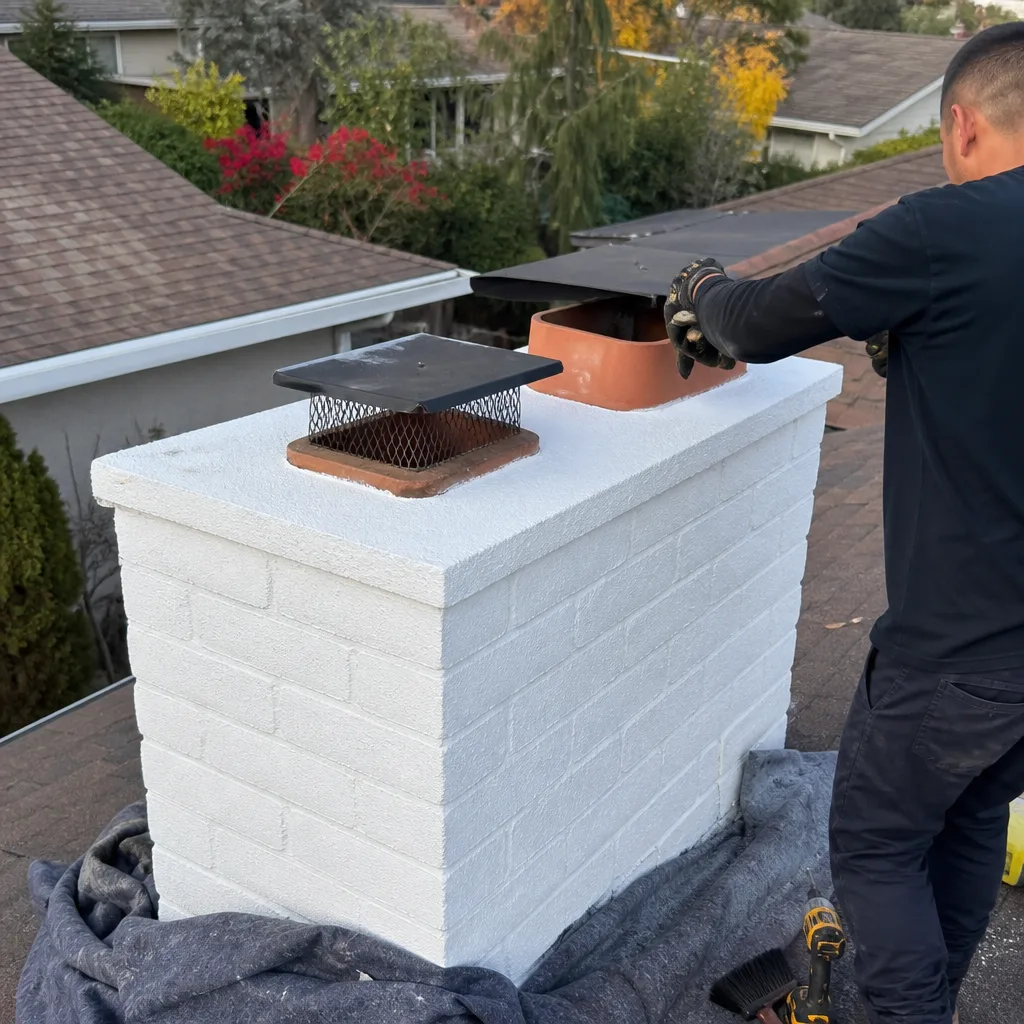
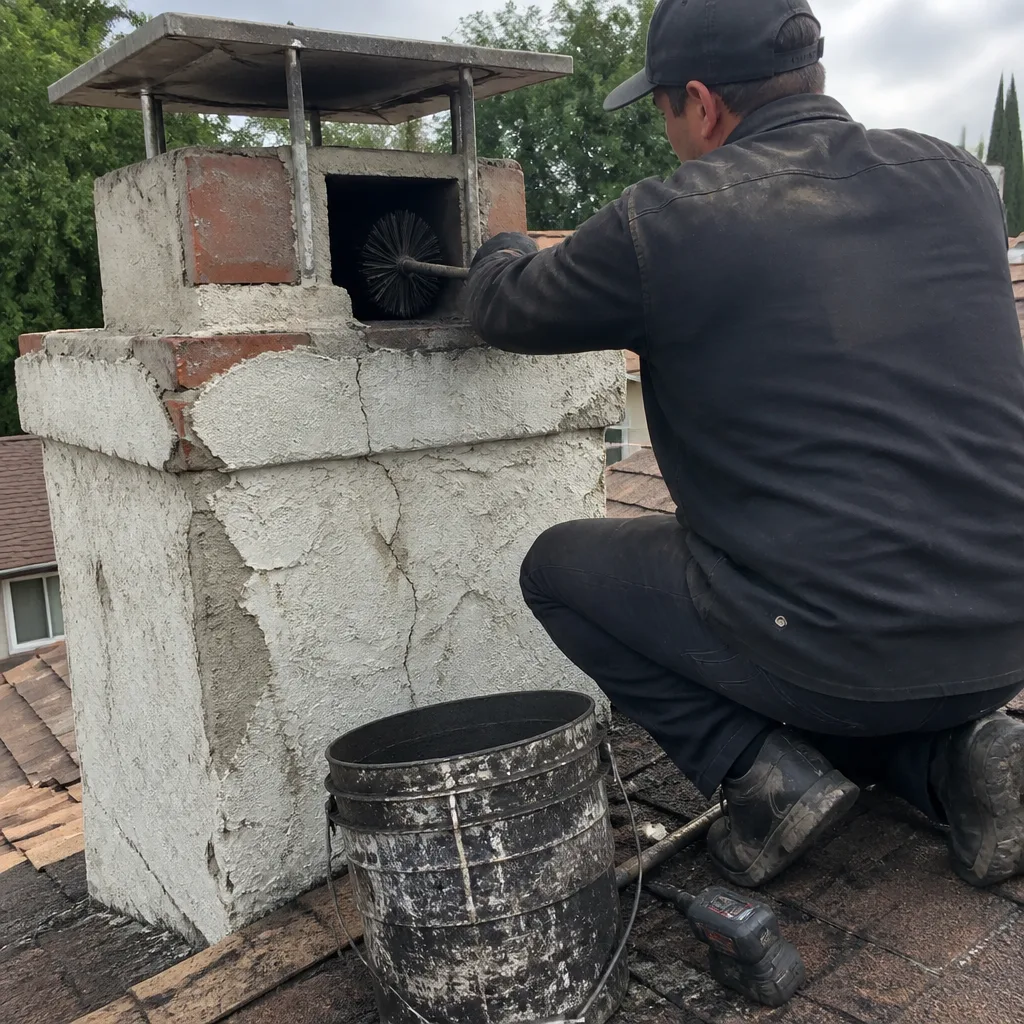
See the difference
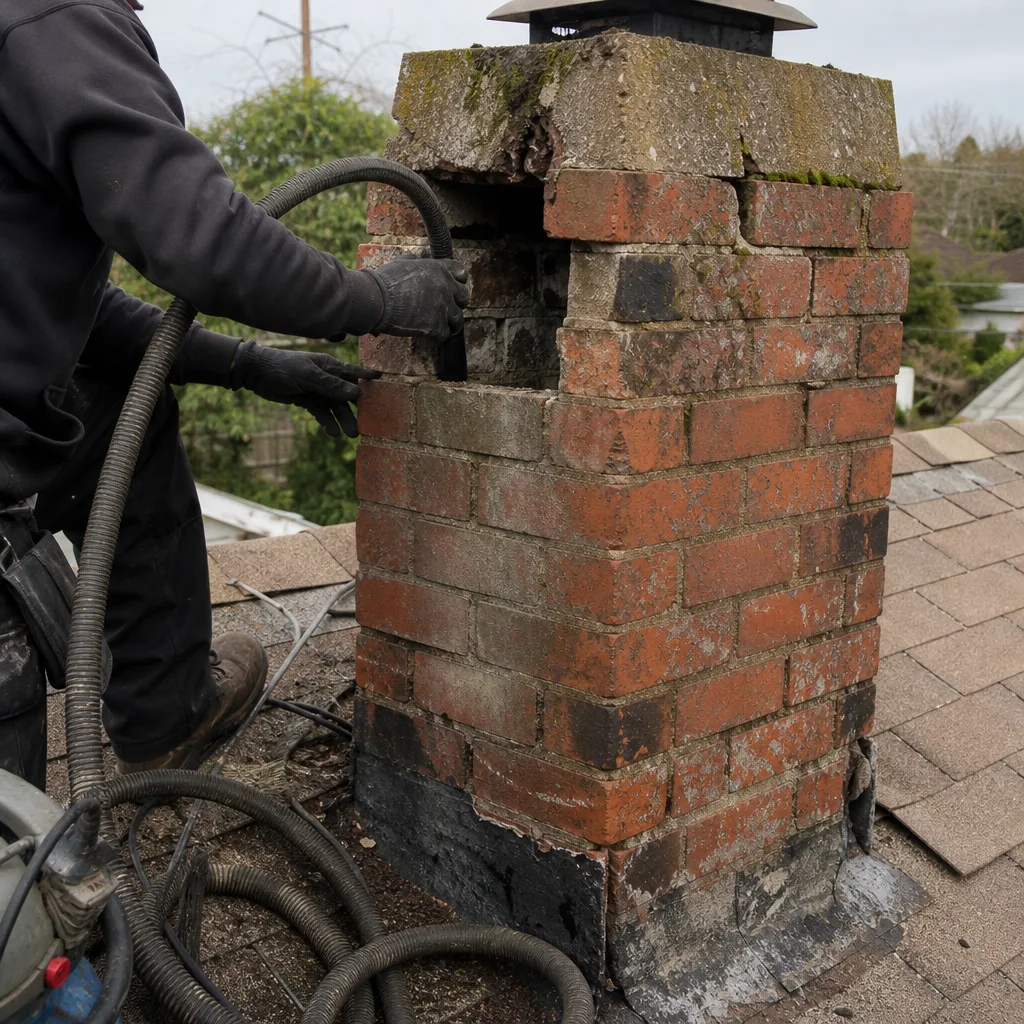 Before
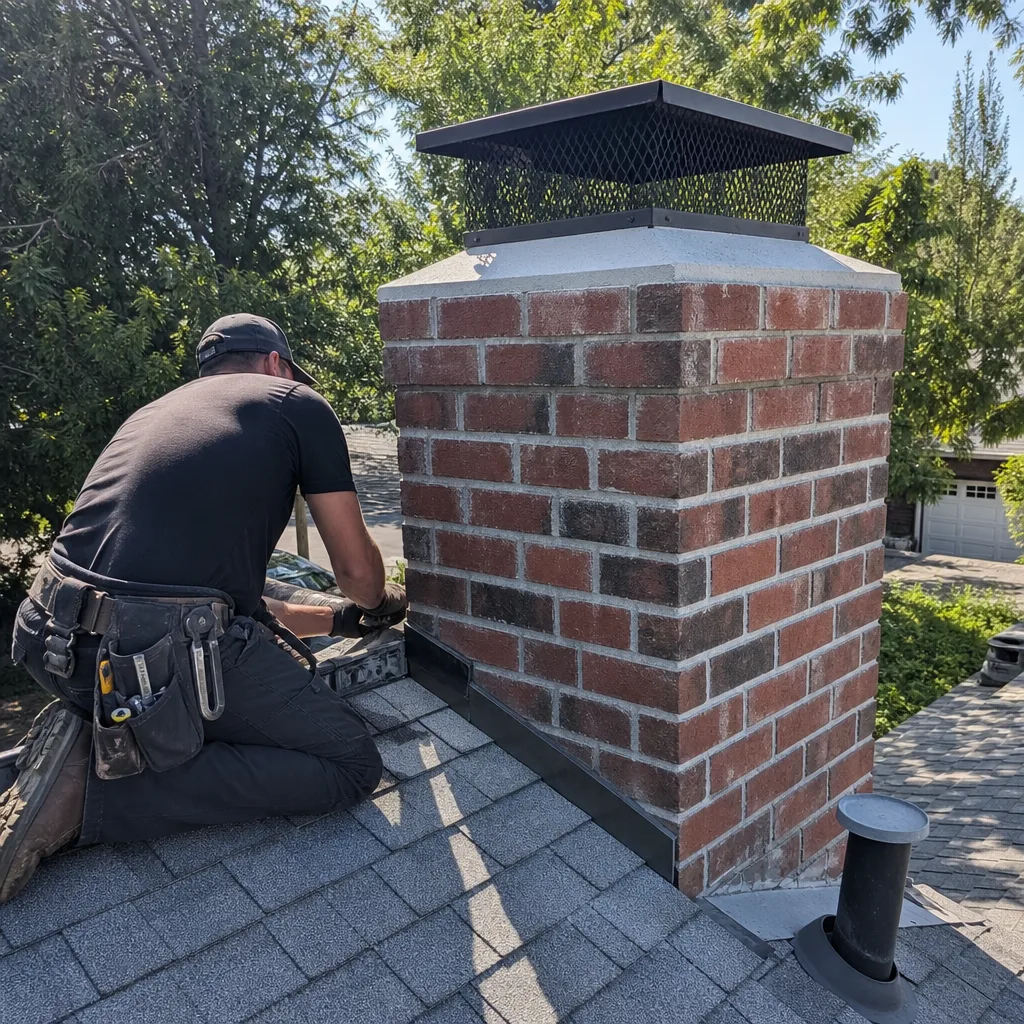 After
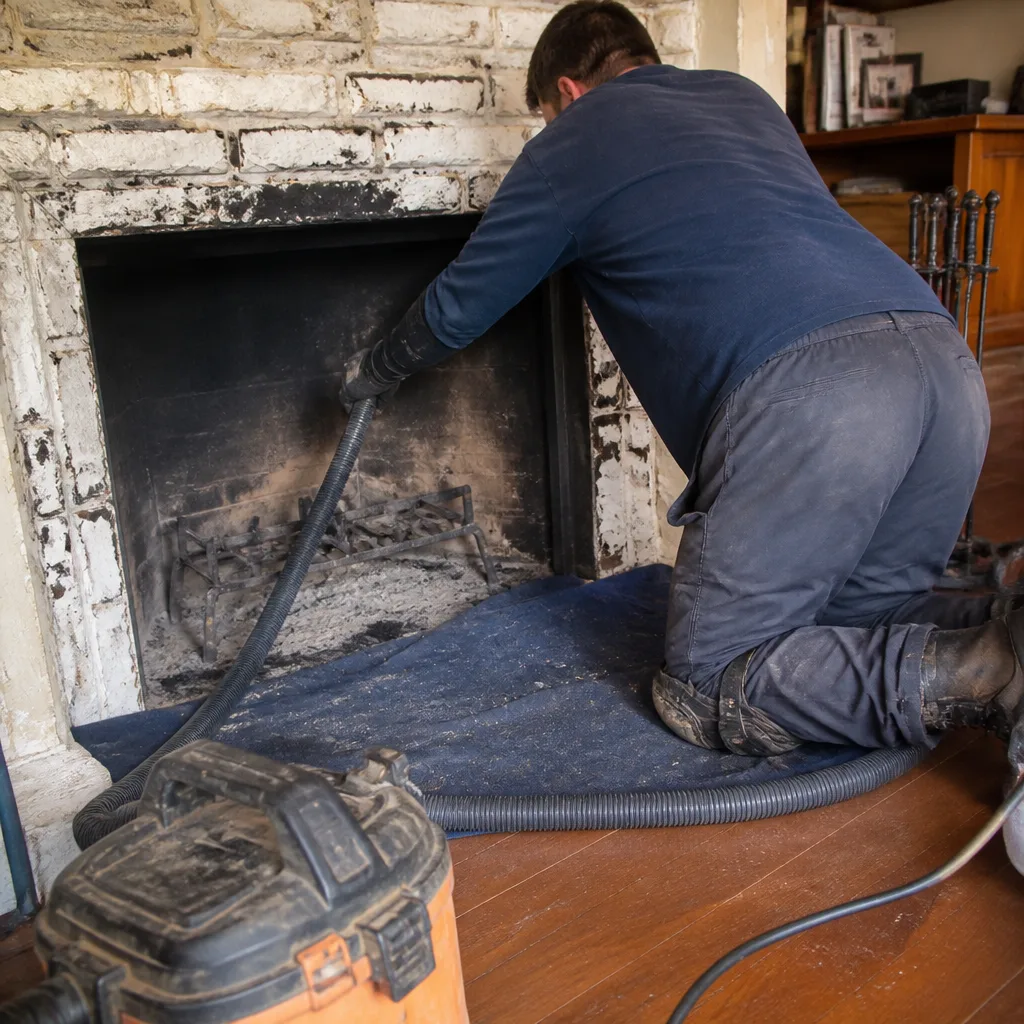 Before
 After
 Before
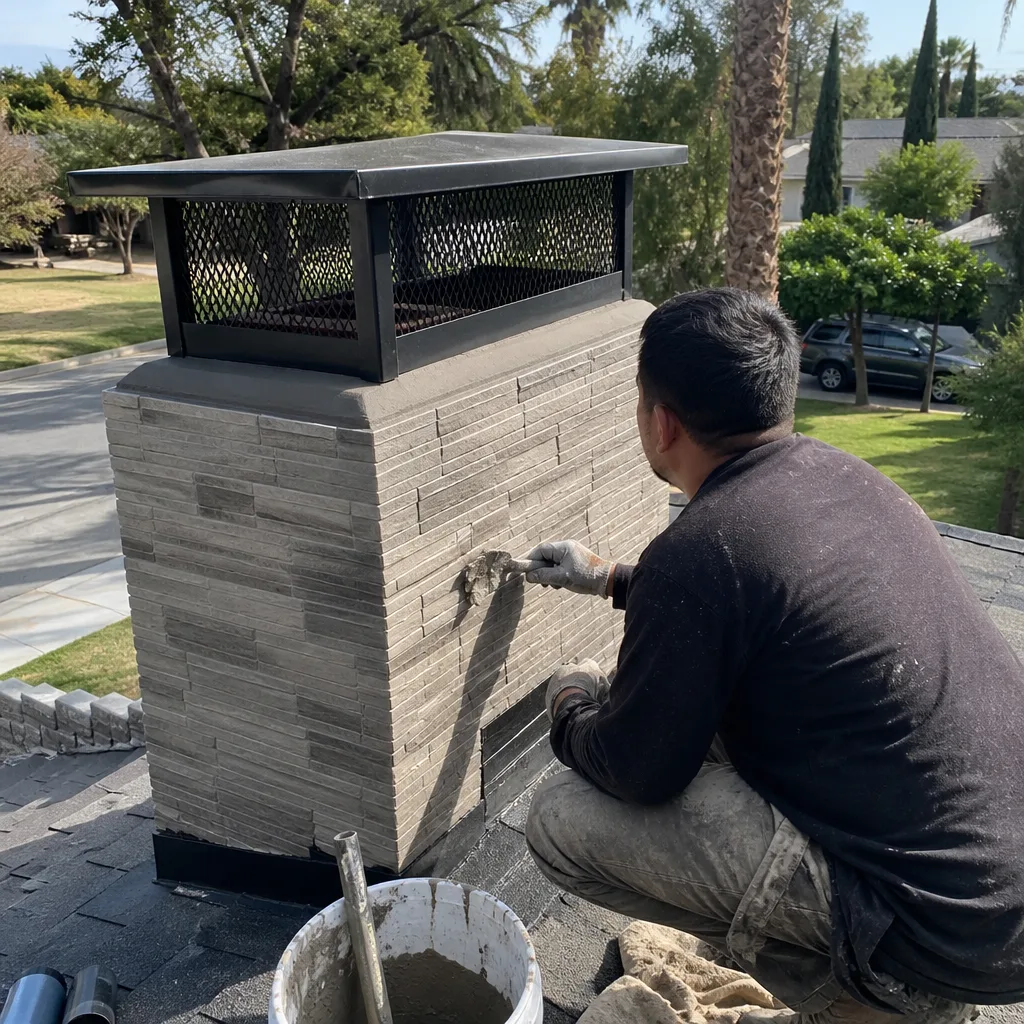 After