
Last updated November 3, 2026
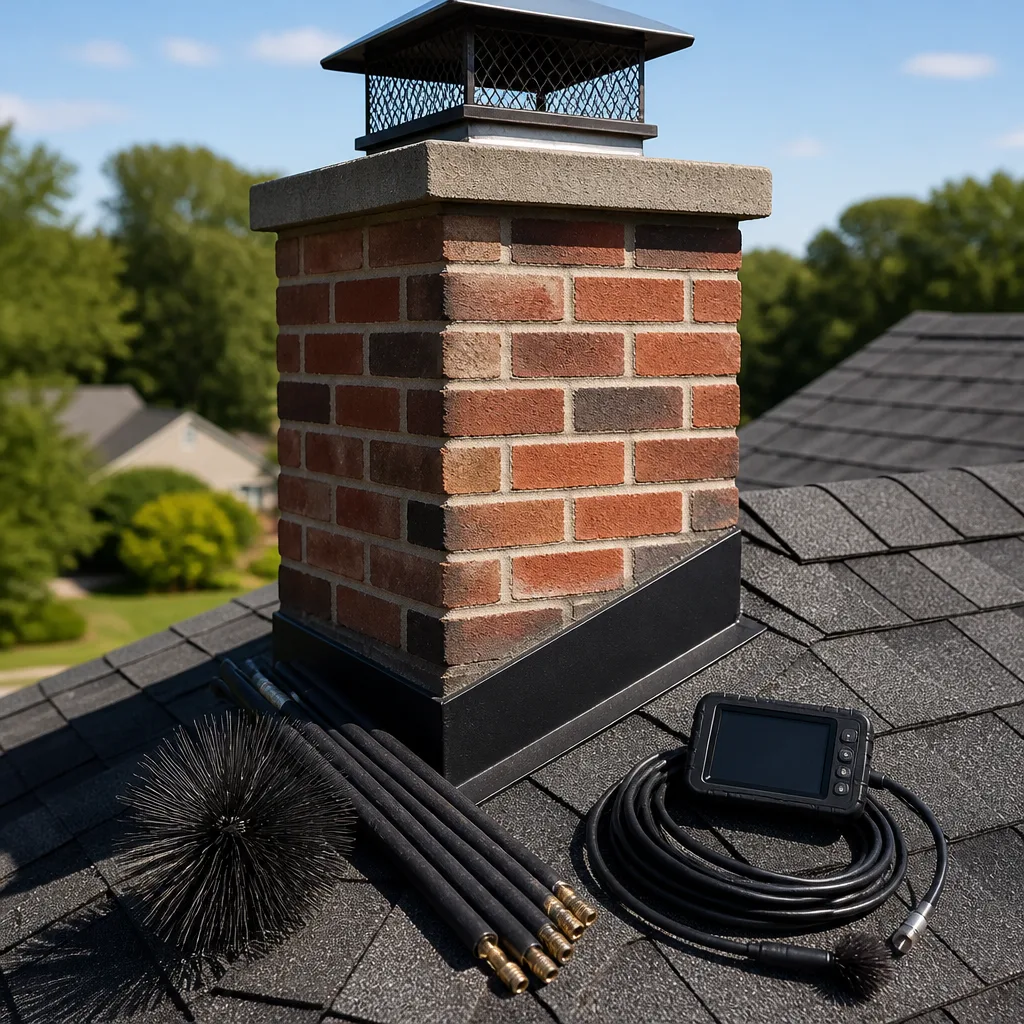 Sweep & inspection
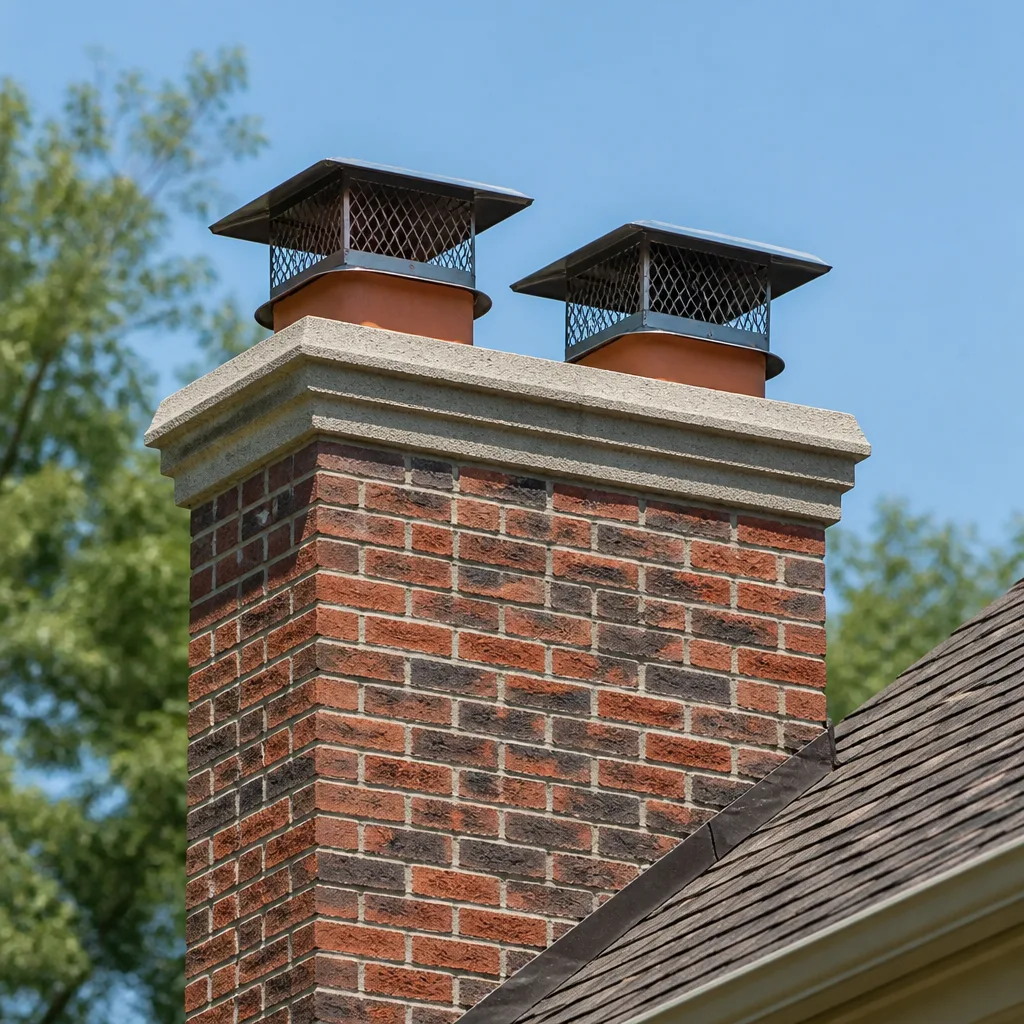 Caps & crowns
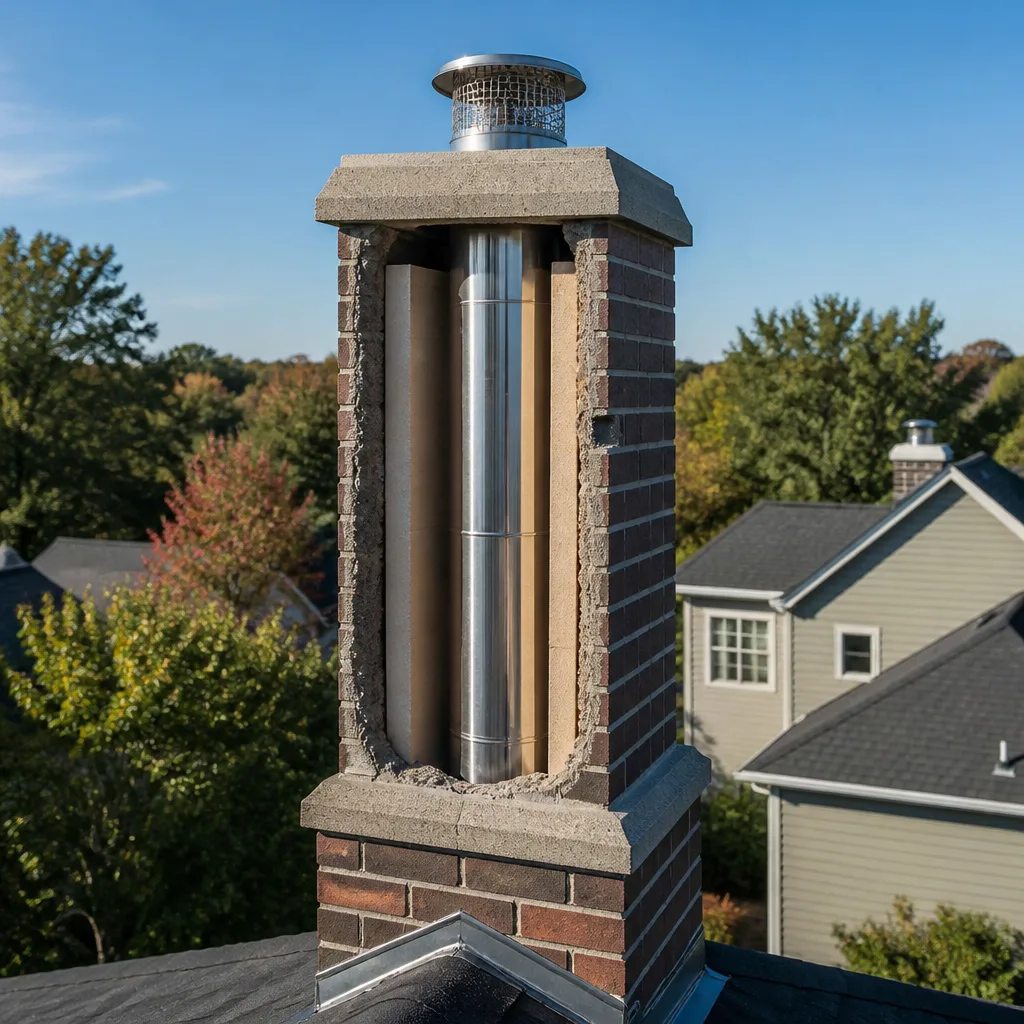 Flue relining
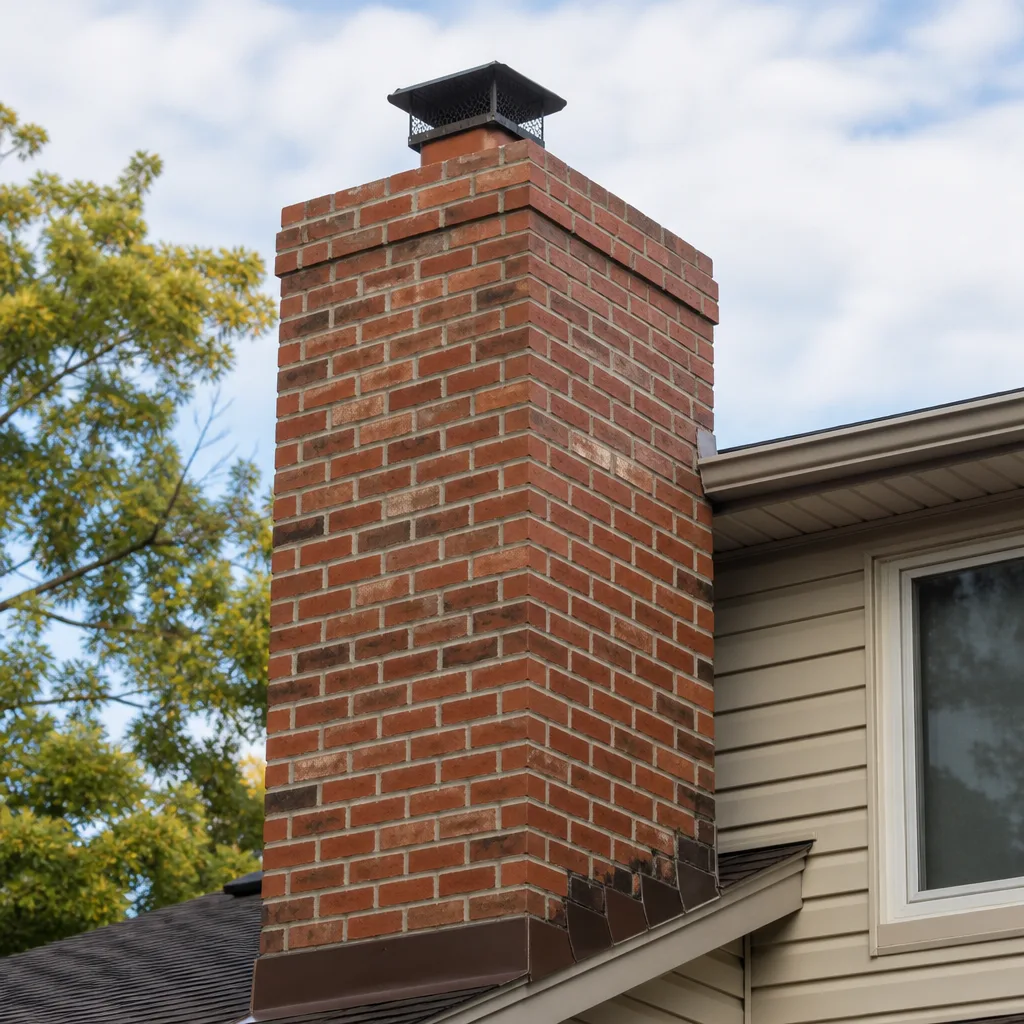 Masonry repair
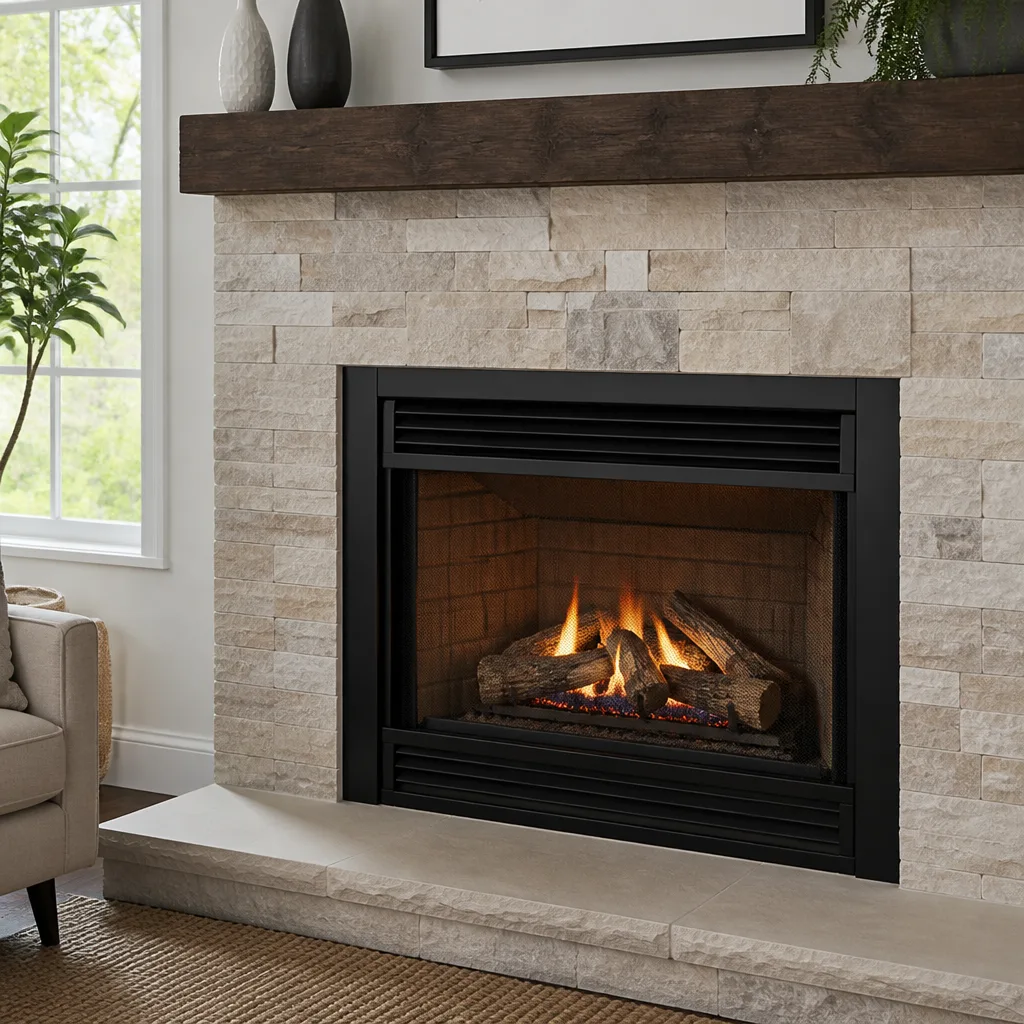 Gas fireplace service
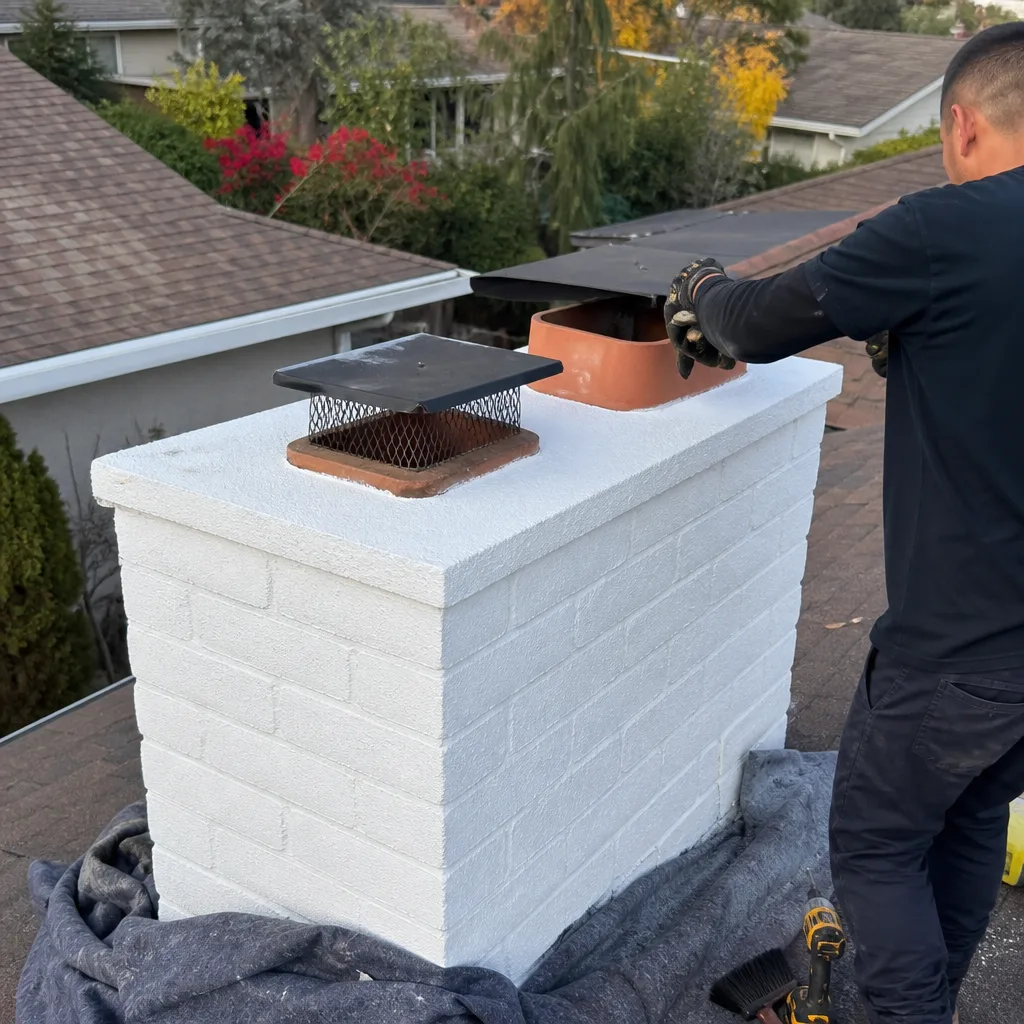
Level 1 sweep and inspection to the NFPA 211 annual standard - flue, crown, cap, and flashing checked and photographed
Chimney sweep logs do not sweep chimneys. They loosen some creosote - which then falls where a brush and vacuum still have to collect it.
The Complete Chimney Sweep Guide for Winnetka Homeowners
Most chimney sweep guides tell you to schedule a cleaning “once a year.” That advice might hold up in Seattle or Chicago, but it falls apart in Winnetka, where Santa Ana winds shove debris into flues during months when your fireplace is barely being used. This guide was written specifically for Winnetka homeowners who want a maintenance schedule that actually fits the local climate, the local housing stock, and the fire season calendar that governs Southern California. You’ll learn what a sweep actually accomplishes, when a basic cleaning isn’t enough, why gas fireplaces need attention too, and how to avoid paying for repairs that aren’t necessary.
Quick Answer
Chimney sweeping in Winnetka should happen every 50 to 70 fires for wood-burning fireplaces, or at minimum once per year when the fireplace is used regularly. For gas inserts, an annual flue inspection is non-negotiable even when there’s no ash, because gas combustion produces corrosive residue and can vent carbon monoxide. Santa Ana wind events can pack flues with debris within weeks, so a mid-season safety check is often the difference between a working chimney and a blocked one.
Styles & brands we work with
- Sweep & inspection
- Caps & crowns
- Flue relining
- Masonry repair
- Gas fireplace service
Table of Contents
- How Often Should You Sweep a Chimney in Winnetka?
- Why Santa Ana Winds Change Everything
- Level 1, Level 2, and Level 3 Inspections: What You’re Actually Paying For
- Gas Fireplace Inserts Still Need Annual Flue Inspections
- What Rotary Cleaning Removes That a Standard Brush Misses
- A Month-by-Month Maintenance Calendar for Winnetka Homes
- When a Sweep Isn’t Enough: Liner Cracks, Spalling, and Blockages
- Common Mistakes to Avoid
- When to Call a Professional
- Frequently Asked Questions
How Often Should You Sweep a Chimney in Winnetka?
The honest answer is that frequency depends entirely on how you use your fireplace. If you burn wood two or three times a week between November and March, you’ll likely cross the 50-fire threshold by late January. That means Winnetka homes with regular wood-burning habits should plan for a sweep in early fall before the season starts, and a safety check in late winter if winter drags on. Homes in the flat, dense neighborhoods north of Sherman Way and east of Winnetka Avenue tend to burn more during the shorter, colder days of December and January, while canyon-adjacent homes near Chatsworth and the Santa Susana foothills often deal with stronger wind events that bring debris into chimneys faster. A good rule for Winnetka: if you can’t remember the last sweep, you’re overdue.
Creosote buildup is the primary reason to sweep. Wood smoke condenses inside the flue as it cools, leaving behind a tar-like residue that can be flaky, sticky, or glazed depending on burn temperature. That residue is combustible. The National Fire Protection Association recommends cleaning when creosote reaches 1/8 inch thickness, which can accumulate in as few as 20 to 30 fires with unseasoned wood. If you’re buying firewood from roadside sellers without knowing its moisture content, you’re likely burning green wood that produces more creosote per fire, which accelerates the schedule.
Gas fireplaces are a different case. Logs that look clean and produce no ash still vent combustion byproducts. Those byproducts can include water vapor that corrodes metal flue liners and sulfur compounds that create acidic residue. Even a gas insert used once a week over the winter needs a professional flue inspection annually, because the problems are invisible until they become structural. More on that in the gas-specific section below.
Why Santa Ana Winds Change Everything
Winnetka sits in a wind corridor. When Santa Ana events blow from the northeast, they push dry air through the San Fernando Valley at speeds that easily reach 40 to 60 miles per hour, and gusts in exposed areas can hit 70. Those winds do two things to your chimney: they drive leaves, twigs, dust, and even small branches into open flues, and they create negative pressure at the flue opening that pulls airborne debris downward. The result is a chimney that can go from clean to partially blocked in a single afternoon.
We’ve seen Winnetka flues with a half-inch of wind-blown debris sitting on top of the damper in October, before burning season even starts. In wetter climates, rain tends to mat down leaves or wash them out of flues. Winnetka’s low annual rainfall, typically under 18 inches, means that debris sits dry and loose. The first fire of the season can ignite it. That’s a specific risk to this area that generic chimney guides don’t address.
Santa Ana events also push animals into chimneys. Dry, warm flues on cold windy nights look like shelter to squirrels, birds, and even raccoons. Once an animal moves in, you’re not dealing with a cleaning problem, you’re dealing with a removal problem plus a fire hazard from nesting material. A well-fitted chimney cap with proper screening from a brand like Famco or Copperfield is the standard solution, but caps need inspection after major wind events. Bent screens, lifted edges, or broken mounting brackets are common after a strong Santa Ana season.
If your home is in one of Winnetka’s older pockets, especially mid-century builds with original masonry chimneys, wind-driven debris matters even more. Clay tile liners in those homes often have hairline cracks from decades of thermal cycling, and the combination of wind-blown debris and cracked tiles creates a fire-escape path from the flue into the structure. The debris is fuel, the crack is an exit, and the result is a chimney fire you won’t see until it’s already in the walls.
Level 1, Level 2, and Level 3 Inspections: What You’re Actually Paying For
Most people think a chimney sweep is just a guy with a brush. A professional sweep is also an inspection that tells you whether the chimney is safe to use at all. The Chimney Safety Institute of America (CSIA) defines three inspection levels, and knowing the difference means you’ll never pay for a Level 3 inspection when a Level 1 will do, or worse, settle for a Level 1 when a Level 2 is what the situation actually calls for.
Level 1 inspection is the standard. It covers the accessible portions of the chimney, both inside and out. The technician checks the flue liner, damper, firebox, chimney cap, and exterior masonry that can be reached from the roof or the ground. No special tools are needed beyond a flashlight and a trained eye. This inspection is included with most routine sweeps and is appropriate when nothing has changed about your fireplace or chimney since the last visit. If you’ve used the same wood-burning fireplace for years, a Level 1 is usually sufficient.
Level 2 inspection is required when something changes. If you’ve bought a new home in Winnetka, changed fuel types (wood to gas, for example), relined the flue, experienced a chimney fire, an animal intrusion, a building fire nearby, or a seismic event, the standard calls for a Level 2. This adds video scanning of the flue interior and may include access to attics, crawl spaces, and other concealed areas. The camera reveals cracks, voids, and deteriorated mortar joints that a flashlight cannot see. After a Southern California wildfire smoke event, even one where flames never reached your property, a Level 2 is the smart choice. Smoke can deposit acidic residue inside the flue, and animal activity spikes during evacuation periods and smoke displacement, which leaves nesting material behind.
Level 3 inspection involves removing portions of the chimney structure to access concealed areas. It is reserved for situations where a Level 2 reveals damage that requires investigation before a repair plan can be formed. If a chimney fire has occurred and you need to know whether the liner survived, or if the flue has shifted and mortar joints have opened up inside a multi-story chase, a Level 3 might be necessary. This is not routine. Any company that jumps straight to a Level 3 without first completing Levels 1 and 2 is either padding the bill or doesn’t understand the standard.
What to Do After a Wildfire Smoke Event
- Do not light a fire until the flue has been inspected. Smoke residue inside the flue can be acidic enough to accelerate liner deterioration.
- Schedule a Level 2 inspection with video scanning. This catches debris, animal activity, and smoke residue in places a flashlight can’t see.
- Check the chimney cap for wind or ember damage. Cap screens that hold back burning embers during high wind are a required defense in Winnetka’s fire season.
- Document the inspection. Home insurers in Southern California increasingly ask for maintenance records when processing fire-related claims.
Gas Fireplace Inserts Still Need Annual Flue Inspections
The most persistent myth in chimney maintenance is that gas fireplaces don’t need cleaning because they don’t produce ash. That’s false in a way that carries real risk. Gas combustion produces water vapor, carbon dioxide, and small amounts of sulfur compounds and nitrogen oxides. In a properly vented system, those byproducts flow up the flue. When the flue is cold, as it will be for the first few minutes of every burn cycle, that water vapor condenses on the liner walls. Over time, the condensed water absorbs sulfur and nitrogen compounds and creates an acidic solution that eats away at clay tile liners and corrodes metal liners.
In Winnetka, where gas fireplaces are common in homes built from the 1970s through the 1990s, we see liner deterioration in gas flues that have never been inspected. The homeowners assume that because there’s no ash, there’s no problem. Then the liner cracks or the mortar joints open up, and combustion gases start escaping into the wall cavity or the attic. The first sign is often a sulfur-like smell or a carbon monoxide detector that won’t stop beeping. For homes where the CO detector is old or its battery is dead, the first sign can be worse.
Annual gas flue inspections are not an upsell. They are the minimum required to confirm that the venting path is intact and unobstructed. The inspection covers the termination cap for blockages, the flue interior for corrosion or debris, and the damper or venting assembly for proper operation. Gas fireplace service also includes checking for proper flame color and pattern, which signals whether the burner is operating with the right air-to-fuel ratio. A lazy yellow flame that touches the logs produces more soot and more carbon monoxide than a crisp blue flame, and that’s something a professional checks in minutes.
What Rotary Cleaning Removes That a Standard Brush Misses
Older masonry chimneys, the kind common throughout Winnetka’s mid-century housing stock, develop surfaces that a standard wire brush simply can’t clean. Glazed creosote, the shiny tar-like residue that forms when flue temperatures cycle between hot and cool, bonds to tile and brick. A brush slides over it. Scrubbing by hand won’t touch it. That’s where professional-grade rotary cleaning systems make the difference.
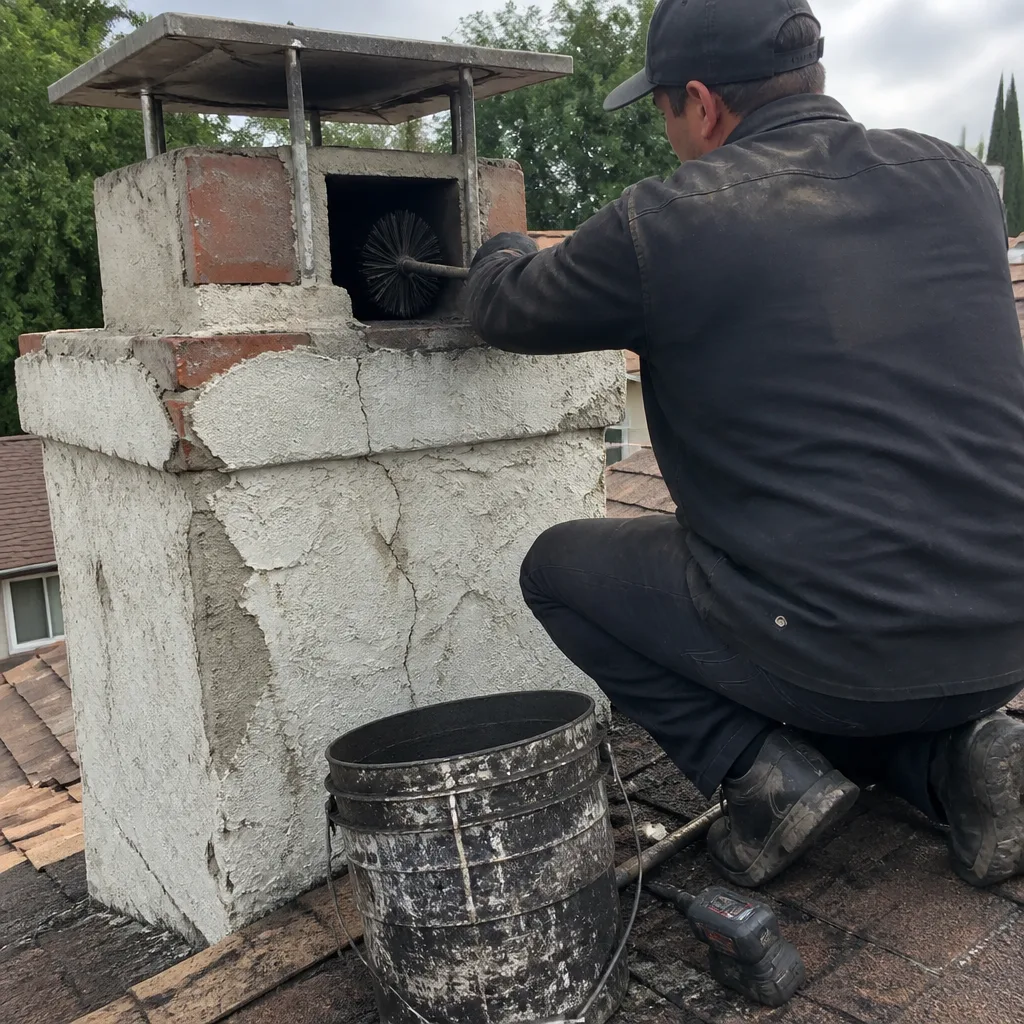
A rotary cleaning system uses a spinning whip head attached to a flexible drive shaft, powered by a drill. The whip heads, typically made of nylon or polypropylene line, strike the flue walls at high speed and chip away glazed creosote that has yellowed or blackened into a hard, glassy layer. The system reaches the kind of third-degree creosote that standard brushes can’t. In older Winnetka chimneys where clay tile liners have pitted surfaces or where the flue runs at an angle through a hip roof, rotary cleaning removes residue from corners and ledges that a push-pull brush method skips entirely.
This matters for fire safety because glazed creosote is the most combustible residue a chimney can hold. It ignites at lower temperatures than porous creosote and burns hotter and longer once lit. It’s also the residue most likely to require chemical treatments or mechanical removal if left too long. For a Chimney Sweep in Winnetka dealing with the older housing stock along Winnetka Avenue, the rotary system is the difference between a cosmetic cleaning and an actual prevention measure.
Professional-grade rotary systems also remove nesting material more completely. Squirrel and bird nests are woven into the flue structure, and simply brushing past them leaves material behind that becomes kindling. Whip heads shred and dislodge the material, pulling it down into the firebox where it can be vacuumed out. If you’ve had animal activity in your flue, rotary cleaning plus a proper cap installation is the only approach that fully resets the chimney.
A Month-by-Month Maintenance Calendar for Winnetka Homes
Here’s a specific maintenance calendar built around Winnetka’s actual climate patterns, fire season dates, and typical fireplace usage. This is not the generic advice you’ll find on national home maintenance sites. For the full deep dive, see The Complete Guide to Chimney Cleaning in Winnetka.
September: Pre-Season Inspection and Cleaning
The month matters. Winnetka’s first nights in the 50s usually arrive by late October, and the first fire of the season happens soon after. September is the window to schedule a professional Chimney Sweep Winnetka home inspection before the fall rush. A September visit lets a technician address whatever Santa Ana winds have pushed into the flue over the summer and gives you weeks of buffer before the first freeze warnings hit the Valley. It also beats the October scheduling crunch that every chimney company experiences.
October: Verify the Cap and Damper
Before the heavy burning starts, do a visual check from ground level. Is the cap still seated correctly on the flue? Is the damper opening and closing freely? If you see a bent cap, missing screen mesh, or an animal entering or leaving the chimney, schedule a service call immediately. October is also the month to confirm that your firewood supply is actually seasoned. Green wood is the single biggest contributor to rapid creosote buildup in Winnetka homes.
November through February: Monthly Burn Habit Checks
During peak burning season, run a quick check on each fire. You’re looking for three things: a clean, hot fire within 15 minutes of lighting; smoke that draws upward without backing into the room; and no strange odors. If you notice smoke spillage into the room, a fire that smolders rather than burns, or a smell that persists after the fire is out, you’ve got a draft problem or a blockage. Don’t wait until spring to deal with it.
March: Post-Season Sweep or Inspection
If you’ve burned more than 50 fires over the fall and winter, this is the time to schedule a sweep. Many Winnetka homeowners think spring cleaning is for gutters and windows, but it’s also the best window for chimney maintenance. The weather is mild, service appointments are easy to get, and you’ll go into the spring and summer with a clean, inspected flue that’s ready for the next fire season.
April through August: Off-Season Monitoring
Fireplace usage drops to near zero, but Santa Ana wind exposure continues. The off-season is when debris accumulates and animals move in. If you don’t have a screened cap, the spring and summer are when you should schedule that installation. A cap with proper screening from Famco or Copperfield prevents most animal intrusions before they start. The off-season is also the time to address liner repairs or masonry issues found during the March inspection, while weather allows for easier roof access.
When a Sweep Isn’t Enough: Liner Cracks, Spalling, and Blockages
A sweep removes residue. It does not repair structural problems. In Winnetka’s older masonry chimneys, the most common findings during a routine sweep are cracked clay tiles, deteriorated mortar joints, and spalling brick on the exterior. Spalling happens when water enters the masonry and freezes, then expands, causing the brick face to pop off. In Winnetka’s low-freeze climate, spalling is less common than in the Midwest, but it still occurs in chimneys where irrigation overspray or rain has soaked the masonry. More common are cracked liners from thermal stress and liner gaps from old, failing mortar.
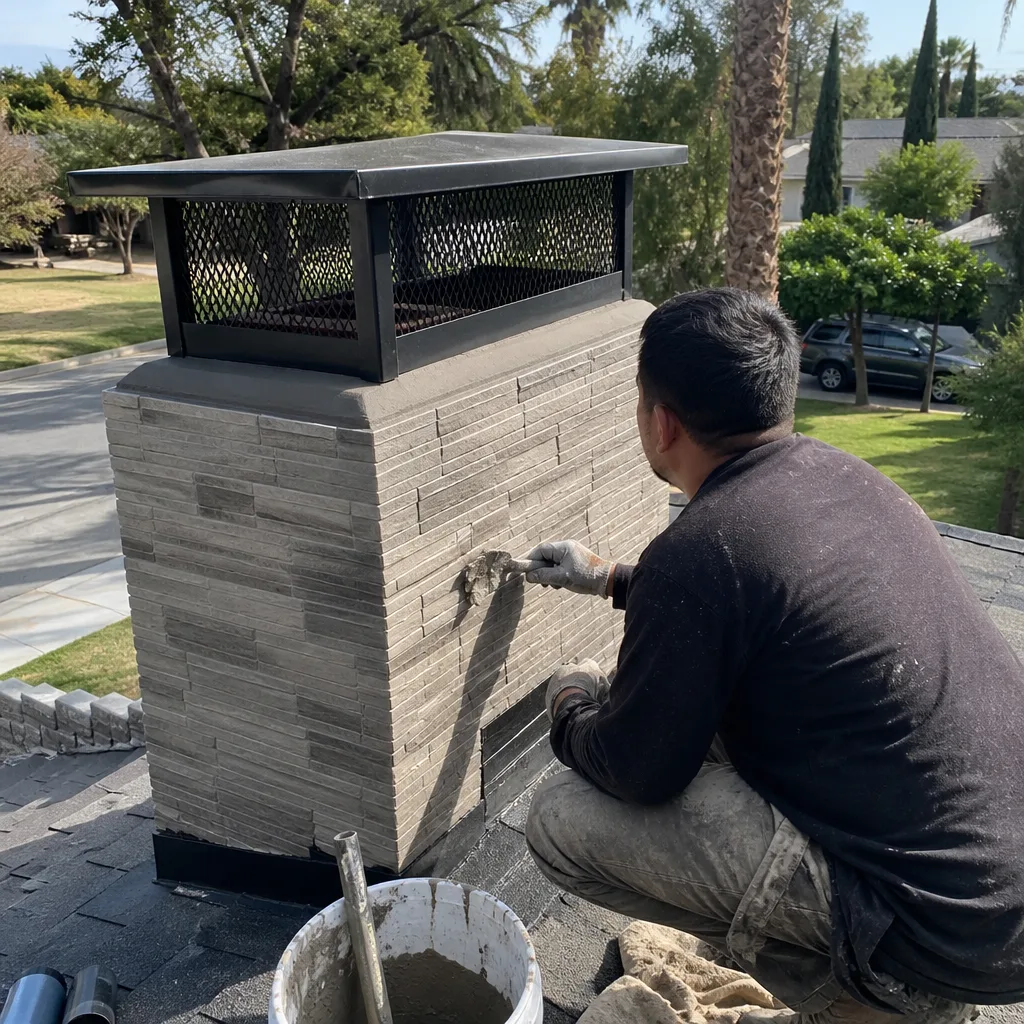
A cracked clay tile liner is a legitimate safety issue. The liner’s job is to contain heat and combustion gases inside the flue. When it cracks, two things can happen: combustion gases are no longer fully contained, and radiant heat reaches combustible materials in the surrounding wall. This is why a cracked liner found during inspection often means the chimney shouldn’t be used until it’s addressed. The two modern repair options are a stainless steel liner system from DuraFlex, or a resurfacing treatment like HeatShield. HeatShield uses a specially formulated cerfractory material that’s applied to the interior of the damaged flue, restoring the liner’s integrity without tearing out the original masonry. It’s a repair option that many sweep-only companies can’t offer because it requires specialized training and application equipment. Companies that work with Chimney Repair in Winnetka materials at the professional level will carry these options, not just a brush and a vacuum.
Blockages are the other category where a sweep turns into a repair. A chimney cap that has failed and allowed a squirrel, bird, or raccoon to build a nest isn’t just a cleaning problem. The animal must be dealt with humanely, the nesting material removed completely, and the cap replaced. If you’ve had a return visit from an animal after a previous removal, the cap installation is the issue. Professional-grade caps from Gelco or Olympia Chimney are designed to seal properly and include the right screen mesh to keep wildlife out without restricting draft.
Common Mistakes to Avoid
- Burning unseasoned wood. Wet wood produces more creosote per fire. In Winnetka, where firewood often comes from pop-up roadside sellers, you’re likely getting wood that hasn’t been properly dried. Stack it for six months minimum before burning.
- Skipping the off-season cap check. Santa Ana winds damage caps despite no fireplace use. A bent or missing cap from an October wind event can let a bird nest in January.
- Assuming gas means maintenance-free. Gas fireplace flues still corrode and still need annual inspection. The lack of ash hides the problem, but the venting path wears out at the same rate.
- Using a generalist handyman for chimney work. Chimney sweeps inspect for fire-safety conditions that a general contractor won’t recognize. The difference is a Level 2 inspection standard, not just a wire brush.
- Ignoring a chimney that is never used. Unused chimneys still accumulate debris, still harbor animals, and still experience masonry deterioration. The water entry that damages liners doesn’t stop because you don’t burn fires.
- Waiting until fall to schedule. September fills up fast. The chimney service window in Winnetka is narrow, and homeowners who wait until the first cold night will be at the back of the line.
- Treating dryer vents as an afterthought. Lint-clogged dryer vents are one of the top causes of residential fires. Dryer Vent Cleaning in Winnetka should happen annually, especially in homes with long vent runs through exterior walls.
When to Call a Professional
Call a professional when you notice smoke backing into the room, a persistent odor after the fire is out, visible debris falling from the chimney, or a cap that is bent, missing, or showing gaps. Call if it’s been more than a year since the last inspection, or if you’ve had a wildfire smoke event or an animal in the chimney. Most importantly, call if you don’t know the condition of your flue liner. A cracked liner is not something you’ll see from the living room. Chimney Sweep Winnetka offers free estimates in Winnetka, and we work with professional-grade materials including HeatShield, DuraFlex, and Famco. Call (877) 939-1446 to schedule an inspection or a cleaning. If it’s been more than a year, don’t wait.
Frequently Asked Questions
A standard chimney sweep and Level 1 inspection in Winnetka typically runs between $150 and $350 depending on the chimney’s height, liner type, and level of creosote buildup. Homes with glazed creosote, animal nesting, or difficult roof access will fall toward the higher end. Call (877) 939-1446 for a free estimate on your specific chimney.
You don’t have to take anyone’s word for a liner problem. A video scan shows the exact condition of your flue interior, and a reputable company will show you the footage. If you’re told the liner needs replacement or resurfacing, ask to see the scan. If there’s no camera evidence, treat the recommendation with skepticism. HeatShield resurfacing is often a less invasive alternative to full replacement, but the decision should be based on what the camera shows, not on a sales script.
For a wood-burning fireplace used occasionally, once every one to two years is sufficient, provided an annual visual inspection confirms it’s clean. In Winnetka, Santa Ana wind season can change that schedule quickly. A cap that fails in October can mean debris and animal intrusion by Thanksgiving, so even occasional users should check the flue before the first seasonal burn.
The failure paths are predictable. Creosote accumulates until it ignites, causing a chimney fire that can spread to the structure. Or debris and nests block the flue and force combustion gases back into the living space. Or liner deterioration allows gases to leak into walls and attics. Each of these is preventable with a routine inspection and sweep. None of them announce themselves with a warning sign until they’re already happening.
Yes, with a different focus. Gas flues don’t get creosote, but they do accumulate acidic residue that corrodes liners and produces blockages from animal activity. The annual standard is the same: an inspection that checks the flue path, the cap, and the venting assembly. The risks are different, but the maintenance interval doesn’t change.
A properly installed, professional-grade cap with secure mounting brackets prevents most wind-driven debris and all animal intrusion. But caps themselves are subject to wind damage. After any Santa Ana event with gusts over 50 miles per hour, it’s worth checking the cap from ground level. Bent, loose, or missing caps need replacing. Brands like Famco and Copperfield carry professional-tier caps that hold up better than the flimsy versions sold at hardware stores.
The Bottom Line
Chimney maintenance in Winnetka is not a once-a-year checkbox. It’s a seasonal rhythm that responds to Santa Ana wind events, the region’s dry, low-rainfall conditions, and the older masonry chimneys that make up much of the local housing stock. Wood-burning fireplaces need sweeping every 50 to 70 fires or annually for regular users. Gas fireplaces need annual flue inspections regardless of how clean they look. And after any wildfire smoke event or major wind episode, a Level 2 inspection with video scanning is the only way to know the flue’s true condition. Professional-grade materials from HeatShield, DuraFlex, Famco, and Copperfield make the difference between a repair that lasts and one that doesn’t. When it’s time to schedule, call (877) 939-1446 for a free estimate. Maintenance today means a fireplace you can trust every season after.
Written by the team at Chimney Sweep Winnetka, serving Winnetka since 2014.
See the difference
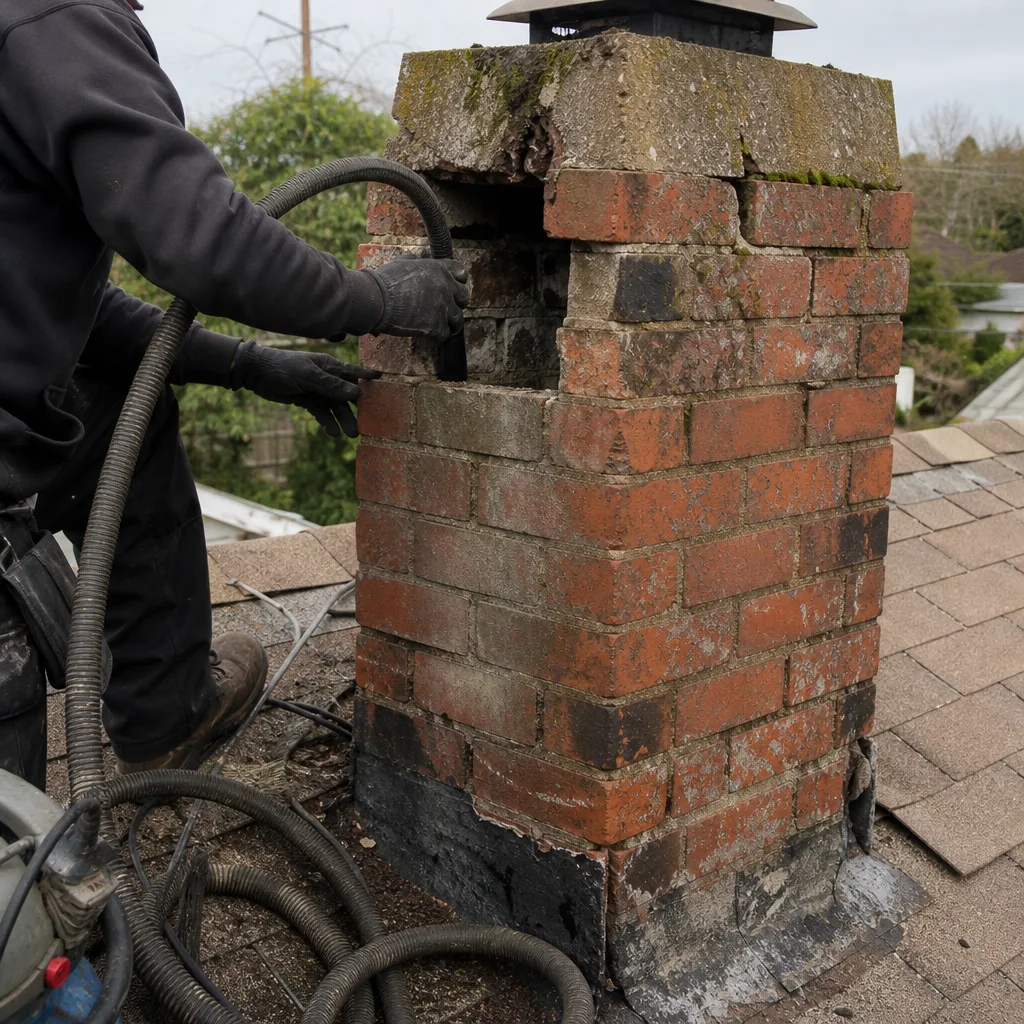 Before
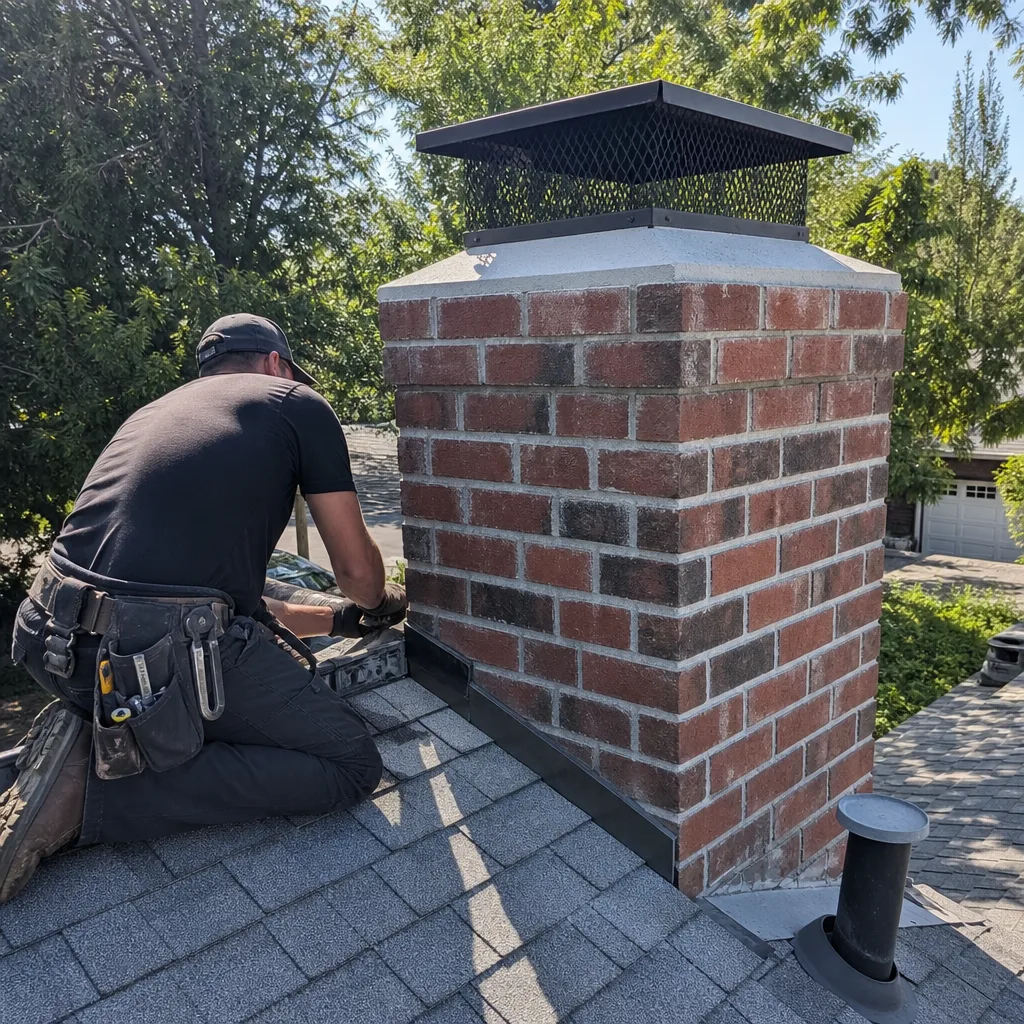 After
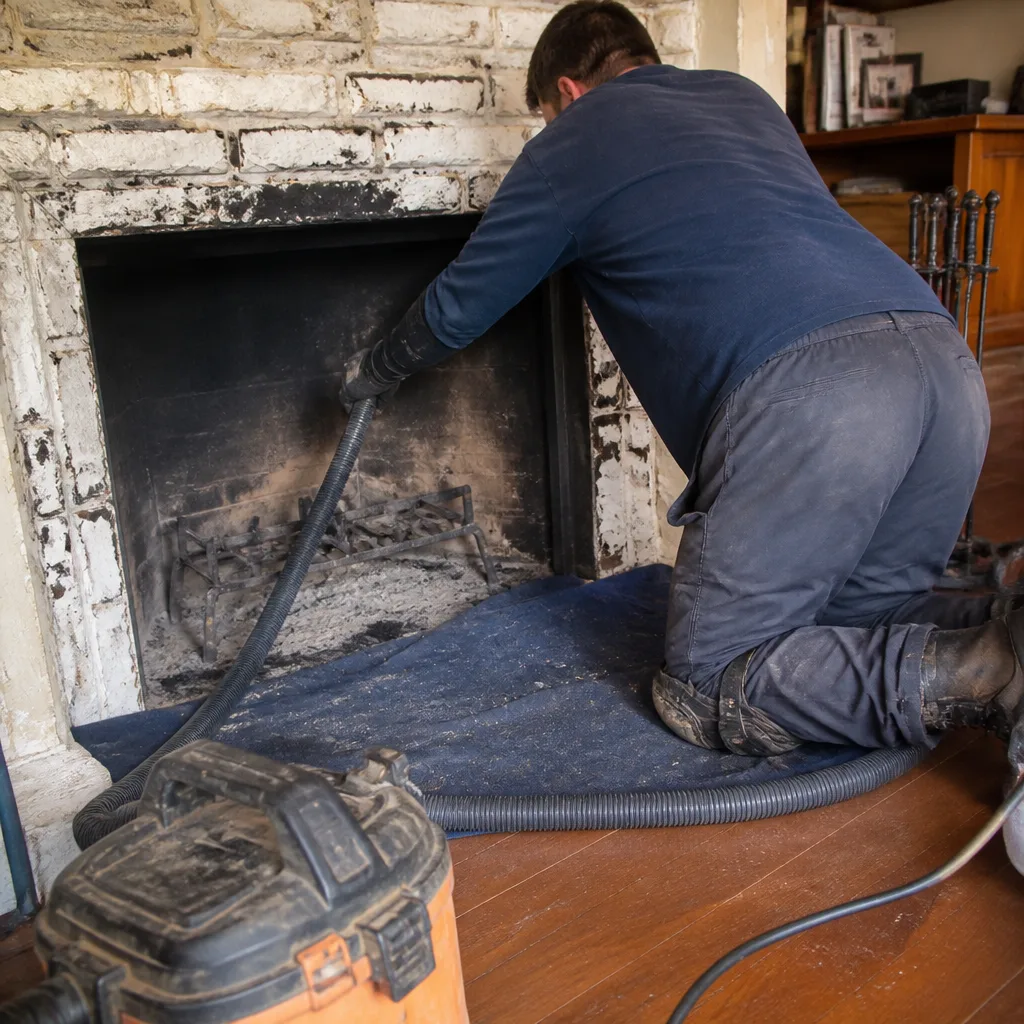 Before
 After
 Before
 After