
Last updated November 2, 2026
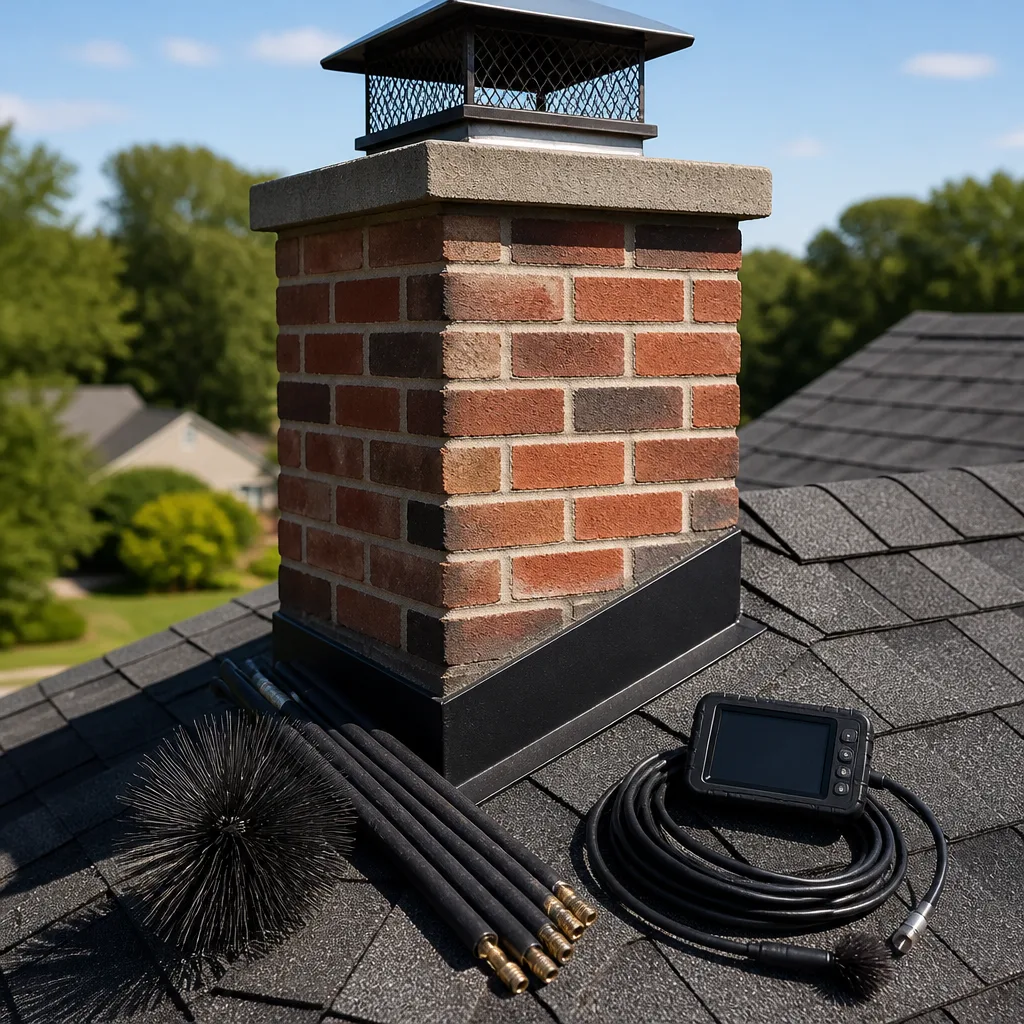 Sweep & inspection
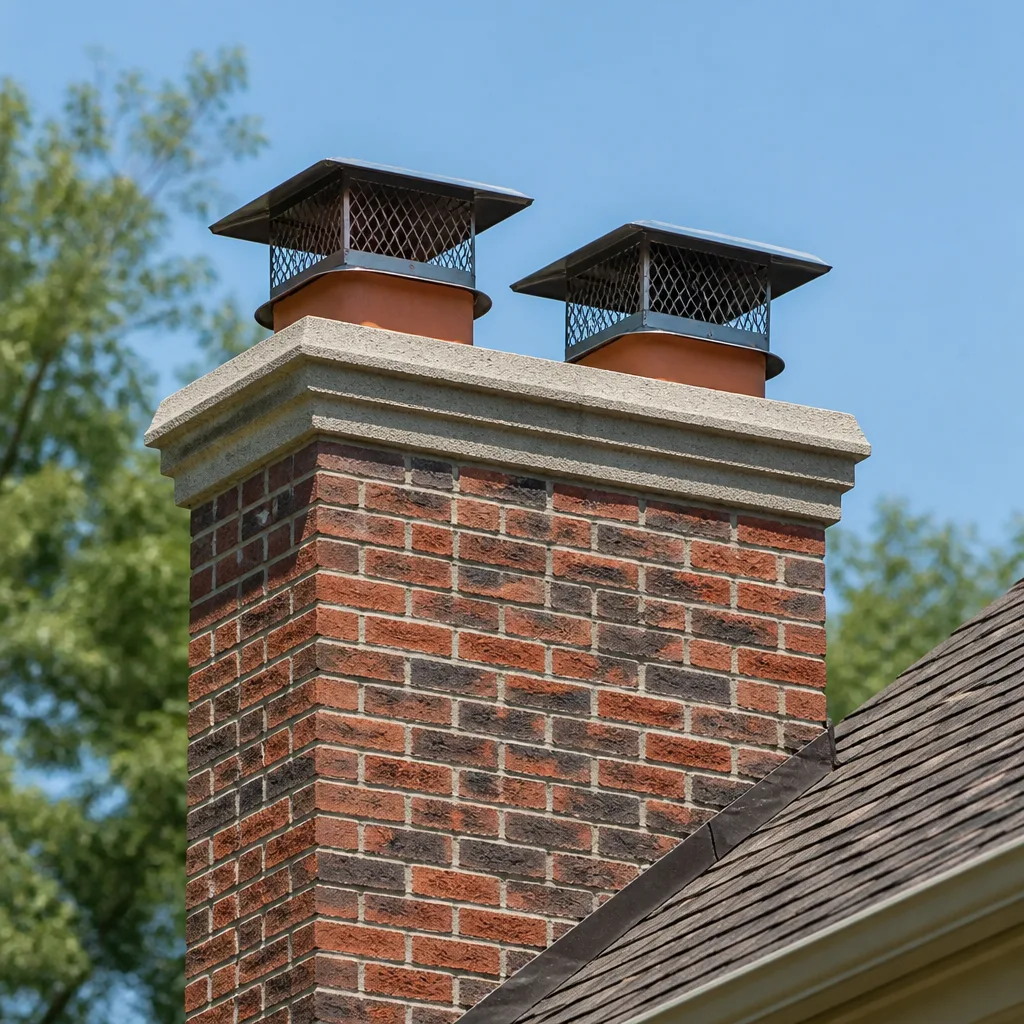 Caps & crowns
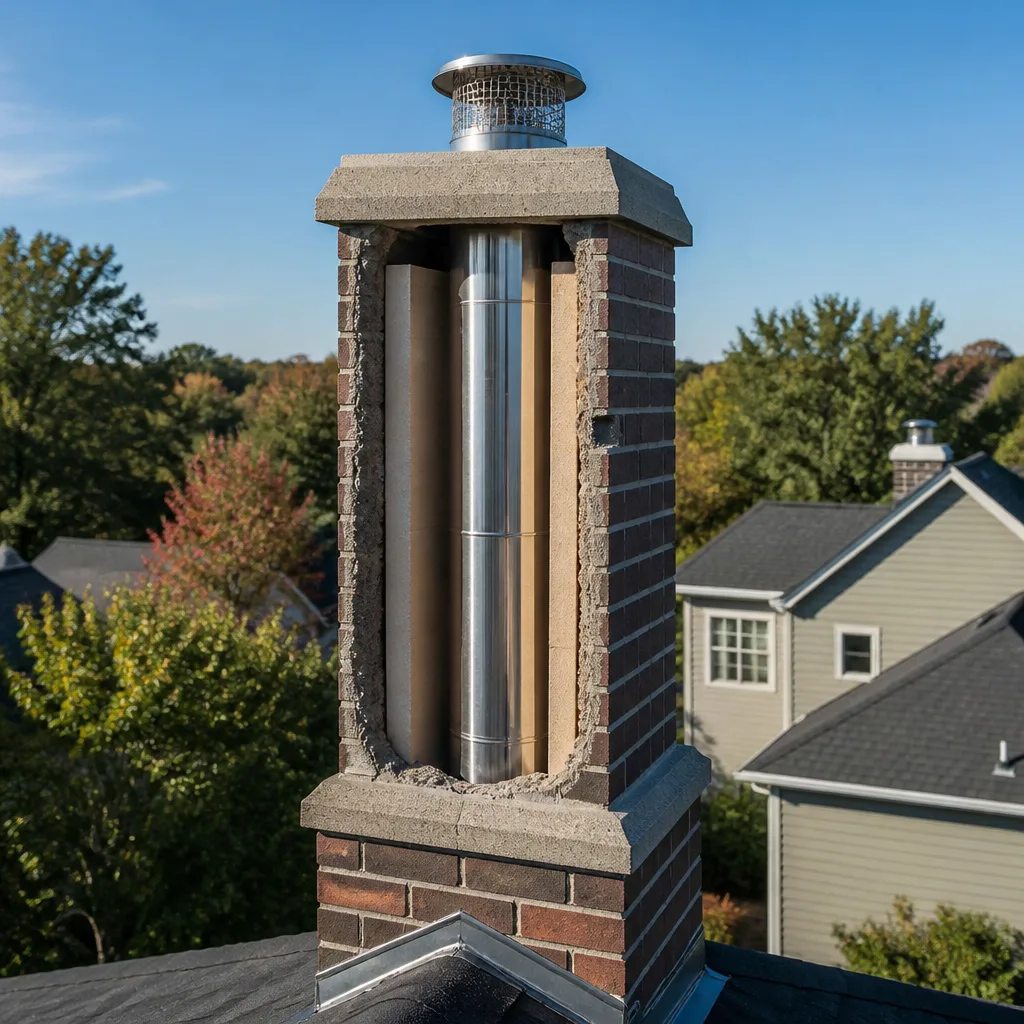 Flue relining
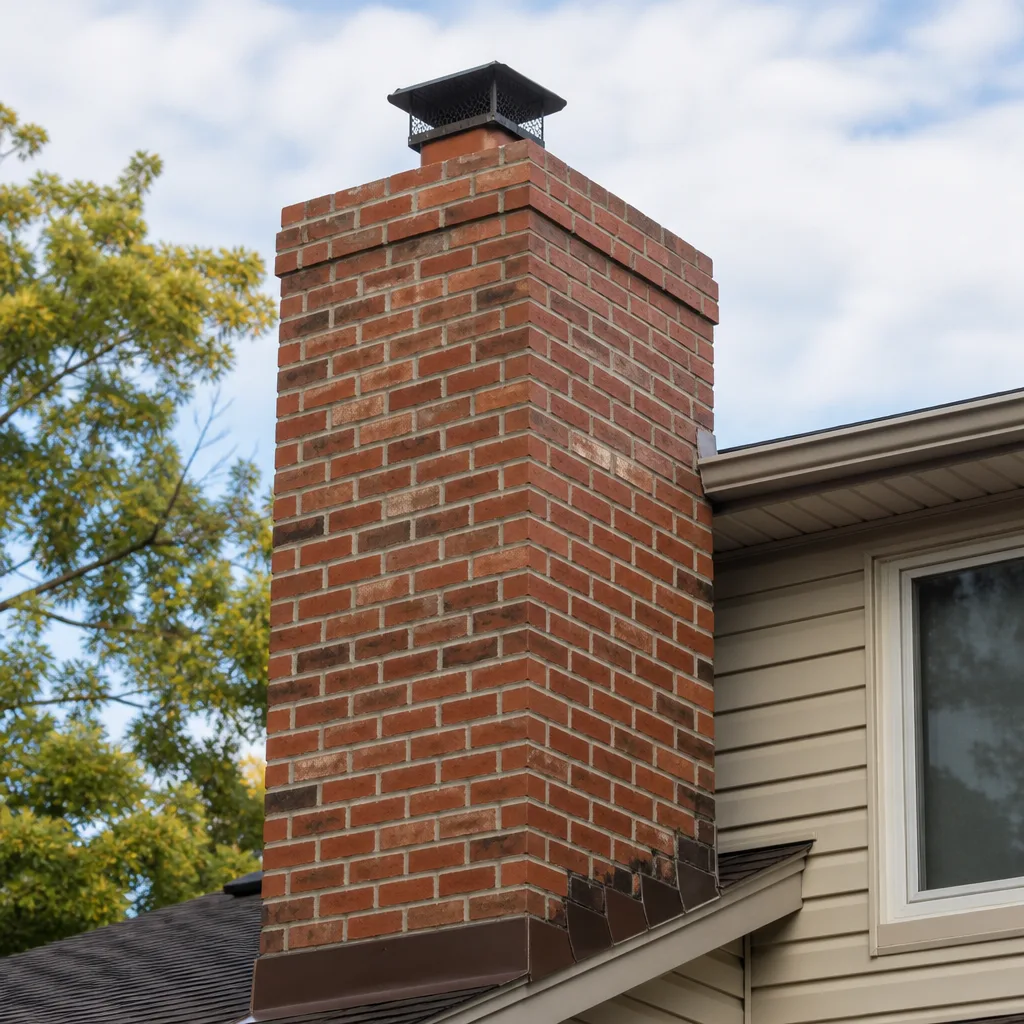 Masonry repair
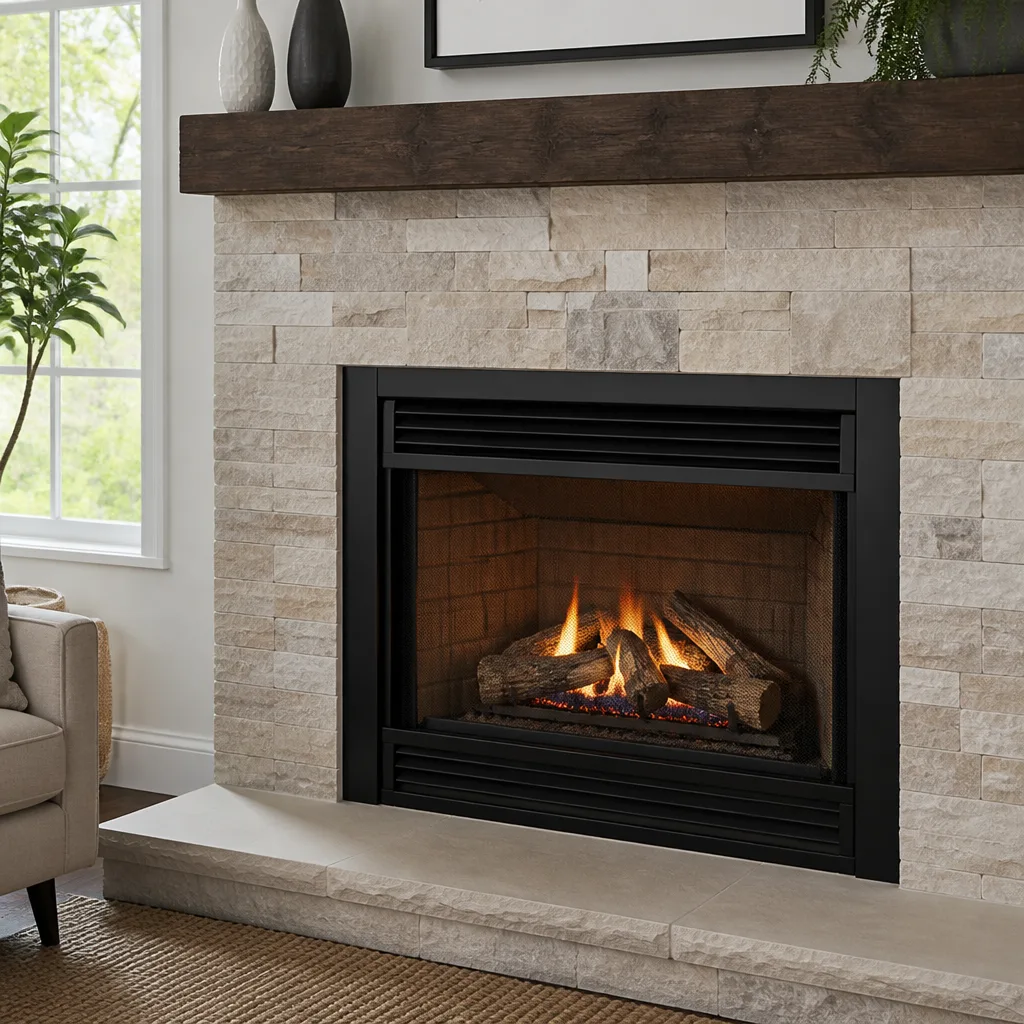 Gas fireplace service
Level 1 sweep and inspection to the NFPA 211 annual standard - flue, crown, cap, and flashing checked and photographed
Chimney sweep logs do not sweep chimneys. They loosen some creosote - which then falls where a brush and vacuum still have to collect it.
DIY vs Professional Chimney Cleaning: The Winnetka Homeowner’s Decision Guide
Most Winnetka homeowners who buy a chimney brush kit do so believing the choice is between paying a professional or doing the same work themselves. That framing misses the actual question. Consumer kits retail for $40 to $90 and move loose dust out of a flue. What they don’t do is remove Stage 2 creosote, measure flue clearances, identify cracked mortar, or produce the documentation your insurance company will ask for if something goes wrong. This guide walks through exactly where the line falls in Winnetka, what each option actually costs in time and money, and why the decision often has less to do with skill than with what the tools can physically accomplish.
Quick Answer
For light ash and soot removal in the firebox, a homeowner with basic tools can handle it safely. For creosote removal from the flue lining, a professional chimney sweep in Winnetka is the only reliable option – consumer brush kits physically cannot remove Stage 2 or Stage 3 creosote, and they provide zero diagnostic information about flue condition. The real cost question isn’t the $50 kit versus a sweep fee. It’s what a missed crack or hidden creosote glazing costs when it becomes a chimney fire.
Styles & brands we work with
- Sweep & inspection
- Caps & crowns
- Flue relining
- Masonry repair
- Gas fireplace service
Table of Contents
- What DIY Equipment Actually Does – and Cannot Do
- What Homeowners Can Safely Do Themselves
- What Requires Professional Equipment – and Why Consumer Gear Can’t Replicate It
- The Documentation Gap: DIY Cleaning and Insurance Claims
- Winnetka-Specific Factors That Shift the Calculation
- An Honest Cost Comparison: DIY Kit vs Professional Sweep
- How Staged Creosote Works – and Why Stage 2 Is the Tipping Point
- Common Mistakes to Avoid
- When to Call a Professional
- Frequently Asked Questions
- The Bottom Line
What DIY Equipment Actually Does – and Cannot Do
A consumer chimney brush kit from a hardware store or online retailer typically includes a wire or poly brush head, a set of fiberglass rods, and a hand crank or drill attachment. The brush head is sized to the flue tile diameter – usually 6, 8, or 10 inches – and the rods thread together to give you reach from either the top of the chimney or up through the firebox. That’s the full capability of the kit.
What it does: it loosens light, fluffy soot and Stage 1 creosote (the dusty, powdery kind) from the flue walls. If the flue is relatively smooth clay tile, reasonably straight, and hasn’t had heavy use, a homeowner can remove surface accumulation with patience and proper technique. The soot falls into the firebox, you vacuum it out, and the job is done. We’ve seen homeowners do this competently, particularly with fireplaces that see occasional use – ten fires a season or fewer.
What it cannot do: dislodge Stage 2 creosote, which is the flaky, tar-like buildup that forms when flue temperatures stay low and smoke condenses before it exits. Stage 2 creosote adheres to the flue wall. A poly brush – or even a wire brush – dragged across it repeatedly will polish the surface without removing the deposit. Stage 3 creosote, the glossy, hard, glazed variety, is essentially a resin. No consumer tool removes Stage 3 creosote. Professionals use rotary cleaning systems – chains or whips mounted on a heavy-duty drill motor designed specifically for this – plus chemical treatments when necessary. That equipment costs several hundred dollars and requires training to use without cracking older flue tiles.
The second limitation is diagnostic. A brush moves through a flue and tells you nothing about what’s above it. Cracked tile joins, deteriorated mortar, a shifted flue liner, animal nesting – the brush passes over all of it and leaves no trace in the firebox. You finish cleaning and assume the chimney is safe because the visible soot is gone. The chimney may have a structural problem that was never visible from below.
What Homeowners Can Safely Do Themselves
We’re not here to tell you that everything about chimney maintenance requires a professional visit, though our more guides & resources can help you decide what’s within reach. That’s false, and homeowners who maintain the accessible parts of their fireplace between professional cleanings end up with fewer surprises. Here’s what falls squarely in the DIY column.
Firebox cleaning. The firebox is the masonry box where the fire actually burns. Ash removal, vacuuming, and wiping down the firebrick are all safe for a homeowner. Use a shop vac with a HEPA filter if possible – standard filters send fine ash back into the room’s air. Wait at least 24 hours after the last fire so you’re not dealing with live embers. A dust mask is sensible; fine ash is an irritant.
Exterior visual inspection. You can – and should – look at your chimney from the ground, every season. Walk around the house. Check for visible cracks in the masonry, crumbling mortar joints, a leaning chimney stack, missing or damaged chimney cap, or any vegetation growing out of the mortar. From the roof side, you can check that the rain cap isn’t clogged with debris. No ladders needed for most of this; binoculars work fine for the upper sections.
Glass door and damper maintenance. Cleaning glass doors, checking the damper opens and closes fully, and keeping the area around the fireplace clear of combustibles. These are basic habits that improve function between sweeps.
Seasonal habit checks. Burn only seasoned hardwood – wood that has dried for at least 12 months, ideally from a covered pile. Never burn construction lumber, painted wood, cardboard, wrapping paper, or trash. Wet and unseasoned wood is the single biggest driver of creosote accumulation in Winnetka homes. This doesn’t require any tools, but it’s the most impactful thing a homeowner can do themselves as part of broader Seasonal Chimney Cleaning Care for Winnetka: Year-Round Homeowner’s Guide.
The common thread: all of these tasks are surface-level and non-diagnostic. You’re not in the flue, you’re not evaluating structural integrity, and you’re not making a judgment call about safety. That’s where DIY belongs – and where it ends.
What Requires Professional Equipment – and Why Consumer Gear Can’t Replicate It
Three things happen during a professional chimney sweep that consumer gear physically cannot replicate. Understanding them is useful because it reframes the whole DIY-versus-pro question away from “how hard is it to run a brush” toward “what is actually being accomplished” – a question we explore in detail in our guide on How to Hire a Chimney Cleaning Contractor in Winnetka: A Step-by-Step Guide.
Rotary cleaning systems. A professional sweep in Winnetka arrives with a rotary cleaning system: a motorized head with chains or nylon whips sized to the exact flue dimensions, running at controlled speed through the full length of the flue. This breaks off Stage 2 and Stage 3 creosote that no hand-driven brush can address. The system also smooths the flue walls, reducing the surface area where new creosote can begin forming. The equipment costs $500 to $1,500 depending on configuration, requires a power source on the roof, and needs a trained operator who can feel when the head is meeting resistance that indicates damage rather than just buildup. This is not a drill attachment; it’s the difference between sweeping a tile floor and refinishing it.
HEPA containment and vacuum systems. Professional sweeps bring negative-air or high-volume HEPA vacuums that pull soot and dust out of the house as the cleaning proceeds. The unit runs continuously, keeping the work area under negative pressure so particulate doesn’t drift into the living room, kitchen, or bedrooms. Consumer kits release whatever you sweep down into the firebox, and then you’re vacuuming it with a shop vac that – unless you’ve bought the right filter – is returning micron-level particles to your home’s air. This matters more in Winnetka than people think: with homes closed up during winter heating months, whatever particulate enters the air stays in the envelope.
Video inspection systems. After the sweep, a professional can run a video camera up the flue – a long, flexible scope with lighting and recording capability – and show you the actual interior condition of the chimney. Cracked tile joints, gaps in the mortar, moisture intrusion, flue liner damage, nested animals: all visible on the screen. This camera also documents the post-cleaning condition for insurance purposes. No consumer kit includes or can substitute for this. And in our experience, video inspection is where the “you need a new liner” conversation either gets honest fast or gets exposed as a sales pitch. If a company tells you the liner is shot, they should be able to hand you footage that shows it. This is also where professional-grade relining systems like Chimney Repair in Winnetka using HeatShield and DuraFlex materials enter the picture – repairs that start with camera evidence, not guesswork.
The Documentation Gap: DIY Cleaning and Insurance Claims
Here’s the part of the DIY-versus-professional decision that most guides skip, and it might be the most consequential. If you clean your own chimney and a chimney fire occurs, your insurance company has a specific question: when was this chimney last professionally inspected and certified clean?
A DIY job creates no documentation trail. There’s no receipt from a licensed company, no inspection report, no camera footage, no paper showing the flue was clear and structurally sound on a specific date. That doesn’t automatically void coverage – but it shifts the burden of proof onto you. The insurer can reasonably ask how you determined the chimney was safe. Your answer is “I ran a brush through it and the soot came out.” That is not an engineering assessment.
A professional sweep in Winnetka performs – or should perform – at minimum a Level 1 inspection with every cleaning. That inspection follows NFPA 211, the national standard for chimneys and venting systems. It includes checking the accessible portions of the flue, the firebox, the damper, the exterior, and the basic structural soundness of the system. The company documents the finding. If something looks suspect, they document it and recommend a more thorough Level 2 inspection. That documentation is the difference between a straightforward claim and a contested one.
You can do your own firebox cleaning and visual checks between professional visits. What you cannot do is generate the paper trail that proves to a third party that the system was safe on a given date. The insurance angle alone – independent of the safety case – makes the annual professional sweep the smart default for Winnetka homeowners.
Winnetka-Specific Factors That Shift the Calculation
Winnetka’s housing stock tilts the DIY-versus-professional debate further toward professional service than it might in, say, a newer subdivision in Simi Valley. A few local factors are worth naming plainly.
Older masonry stock. Much of Winnetka’s residential housing dates from the 1950s through the 1970s. That means clay tile flues that have been through fifty or sixty years of thermal cycling, rain exposure, and the occasional seismic event. Clay tile liners crack. Mortar joints between tiles open up. A brush kit doesn’t tell you this is happening. The chimney looks like a chimney, and it might function fine with a Stage 1 creosote layer – right up until a crack opens into the framing and hot gases find a path they shouldn’t have.
Seismic stress. Winnetka sits in the San Fernando Valley, close to multiple fault systems. Every earthquake, even the ones people don’t register consciously, puts shear stress on masonry chimneys. The most common damage mode is cracking at the roofline – where the above-roof chimney stack meets the house structure – or interior flue tile separation. This damage is invisible unless you’re looking for it with the right equipment. You can brush a flue with separated tiles and never know the smoke path has been compromised.
Wildlife intrusion. Winnetka has a significant population of raccoons, squirrels, and birds that find uncapped or poorly capped chimneys attractive. A raccoon can tear apart a rain cap. Birds build nests. Squirrels leave nests and debris. These blockages don’t just reduce draft – they create fire hazards and carbon monoxide backdraft risk. A homeowner doing a DIY sweep might knock some nesting loose and call it good. What the brush doesn’t reveal is whether the animal left damage, whether the cap is compromised, or whether more intrusion is ongoing. Professional inspection sees that.
Burning-season living patterns. Winnetka residents use fireplaces heavily during the winter months when evening temperatures drop. Many homes also supplement heat with gas log sets or inserts. That consistent, sustained use means creosote accumulates faster here than in mild climates where fireplaces are decorative. The annual or twice-annual professional cleaning cadence has real justification in Winnetka.
An Honest Cost Comparison: DIY Kit vs Professional Sweep
The math matters. Here it is, straightforward.
DIY route, all-in:
| Item | Typical Cost |
|---|---|
| Chimney brush kit (rods + brush head) | $45 – $90 |
| Shop vac HEPA filter (if you don’t have one) | $30 – $50 |
| Drop cloths, dust masks, gloves | $15 – $25 |
| Roof ladder rental (if you don’t own one) | $35 – $60 for a day |
| Total cash outlay, first time | $125 – $225 |
| Time commitment | 3 – 5 hours including setup, cleaning, and cleanup |
| What gets done | Surface soot removal. No inspection. No documentation. |
Professional route, typical market range:
| Service | Typical Range in Winnetka |
|---|---|
| Standard chimney sweep with Level 1 inspection | $150 – $300 |
| Sweep plus video inspection add-on | Often $50 – $100 more, sometimes included |
| Time commitment for homeowner | 1 – 2 hours total, including answering questions |
| What gets done | Creosote removal to tile surface, Level 1 inspection, documentation, camera evidence available, structural assessment |
The first-year cash difference is roughly $100. That’s the spread when you factor in everything. What that $100 buys: removal of all creosote stages, not just loose dust; an inspection by someone who handles Winnetka chimneys daily; a written record for insurance; and a baseline for spotting changes over time. From year two onward – when you already own the DIY kit – the cash difference widens to maybe $150 to $250. That’s the honest number, and it’s why the decision is not about price. It’s about what a few hundred dollars protects you from.
You can schedule a Chimney Sweep in Winnetka to do the full job, or keep the firebox work in-house and bring us in for the flue. That middle path is perfectly reasonable and many Winnetka homeowners take it.
How Staged Creosote Works – and Why Stage 2 Is the Tipping Point
Creosote sounds like one substance. It isn’t. It has three recognized stages, and the stage determines whether a homeowner can realistically remove it.
Stage 1: Powdery soot. Fluffy, dull black, and dry. This forms from efficient fires burning reasonably dry wood. It brushes off easily with hand tools. This is what consumer kits are designed to remove, and they do it adequately in a straight flue with normal access.
Stage 2: Flaky, crusty deposits. Darker, more textured, sometimes bubbled or flaked. Forms when fires burn cooler or wood carries higher moisture content. The creosote is no longer a dust layer – it’s an adhered deposit. Hand brushing can stir it, loosen small pieces, and create the illusion of cleaning. What actually happens is the top surface gets roughed up while the deposit stays bonded to the tile. Many homeowners who swear by their DIY kit are leaving Stage 2 creosote in place without knowing it.
Stage 3: Glazed, tar-like creosote. Hard, shiny, and dense. This is the material that fuels the most intense chimney fires. It forms when flue temperatures stay continuously low – which happens with damp wood, restricted airflow, or an oversized flue that never warms. Stage 3 creosote requires mechanical removal with rotary equipment or chemical treatment followed by mechanical cleaning. No consumer product removes it.
The tipping point is Stage 2, because that’s the moment when the homeowner’s judgment breaks down. The brush moves smoothly, the job is done, and the chimney still carries a significant fuel load. Winnetka’s cold winter evenings and older drafty homes create exactly the low-temperature, smoke-heavy conditions that push Stage 1 into Stage 2, season after season. A professional sweep inspects for stage before choosing the approach. That’s the diagnostic step the DIY route skips entirely.
And on the subject of professional tools: the same logic applies to dryer venting, which is another system that accumulates lint the way a chimney accumulates creosote. We handle Dryer Vent Cleaning in Winnetka because it’s the same fire-safety principle operating at a different scale. Regular maintenance with the right equipment is the only thing that removes the hazard.
Common Mistakes to Avoid
- Assuming a clean firebox means a clean flue. The firebox is where everything falls. A brush kit that removes visible soot from the firebox says nothing about what remains bonded inside the flue. Many Winnetka homeowners finish a DIY job and the chimney is still carrying Stage 2 creosote they never saw.
- Burning pine or unseasoned wood “to get the fire going.” Softwoods and wet wood produce heavy smoke and low flue temperatures, which accelerate creosote formation. Burn only seasoned hardwood that has dried 12 months or more, and have it tested with a moisture meter before burning.
- Skipping the chimney cap. Winnetka’s wildlife population doesn’t need an invitation. A missing or damaged cap leads to animal intrusion, nesting, blocked flues, and carbon monoxide risk. Check the cap every season, even if you do nothing else.
- Using chemical creosote “cleaning” logs as a substitute for a sweep. These products can help break down Stage 1 deposits and make professional cleaning easier, but they do not remove creosote on their own. Some homeowners use them and then believe they’ve maintained the chimney. They haven’t.
- Cleaning from the roof without proper gear. This is where DIY chimney work goes from a maintenance job to a fall risk. Roof work on a Winnetka home with a steep pitch, without a harness and proper ladder setup, is not a maintenance task. It’s an accident waiting to happen.
- Ignoring the dryer vent while cleaning the fireplace. Fireplaces and dryers are both venting systems. A clogged dryer vent is a top fire cause independent of the chimney. If you’re doing safety maintenance, the dryer vent belongs in the same conversation.
- Not documenting anything. If you do DIY work, at least take photos of what you cleaned and when. But understand that a phone photo is not the same as a professional inspection report, and post-incident insurance conversations will treat them differently.
See the difference
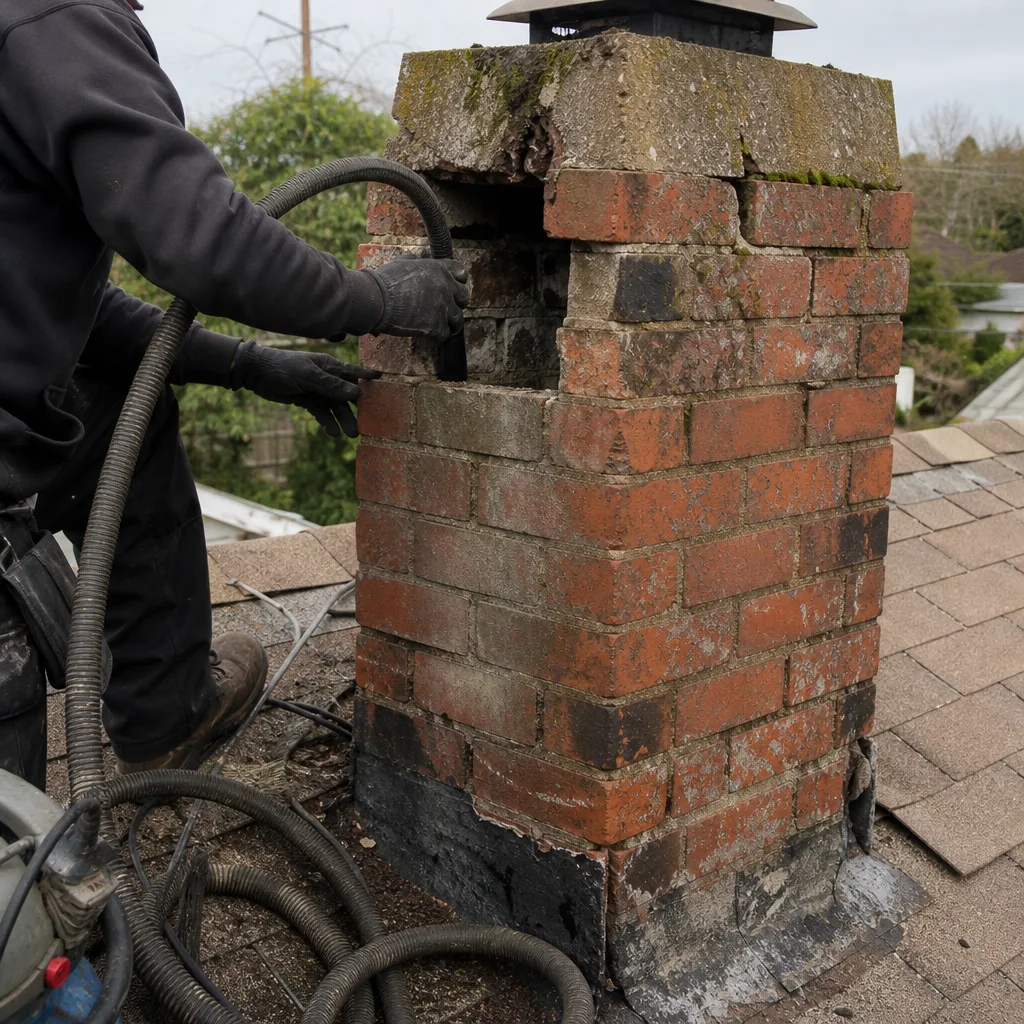 Before
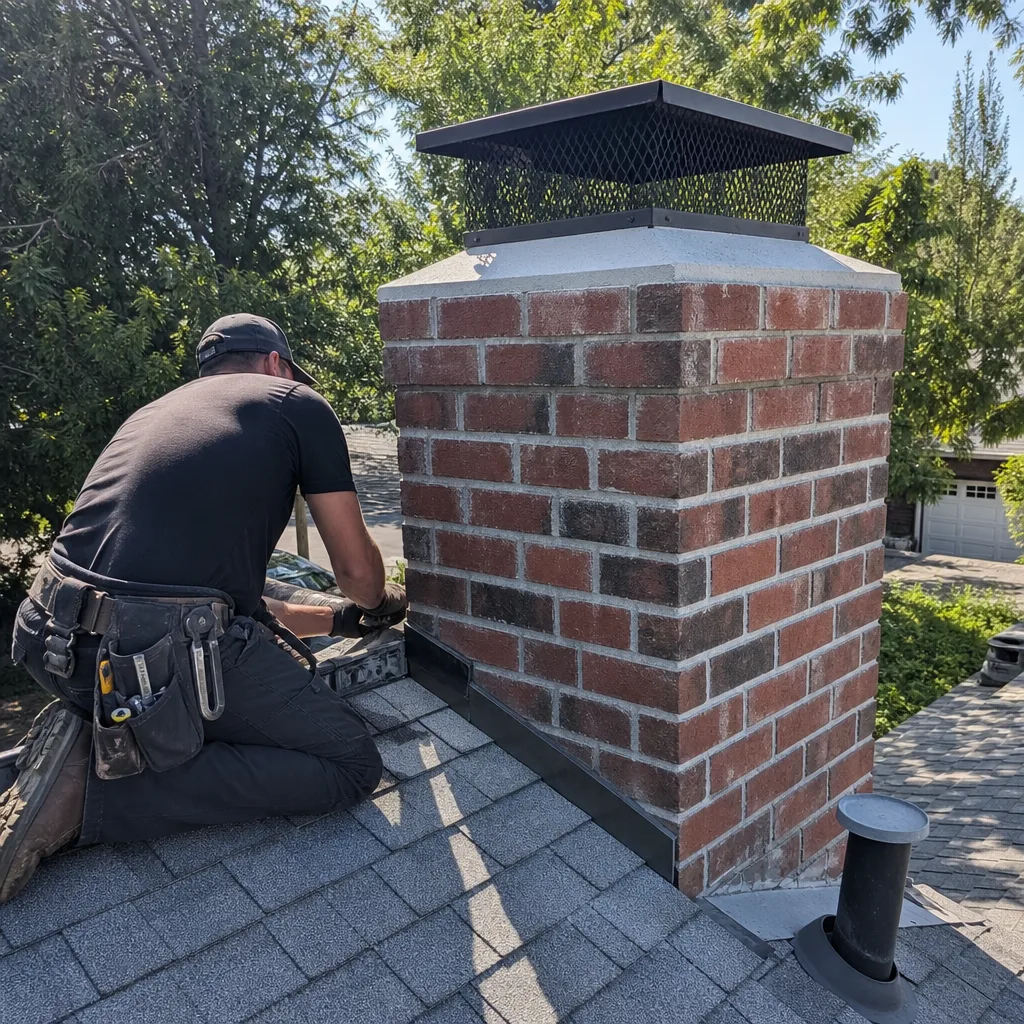 After
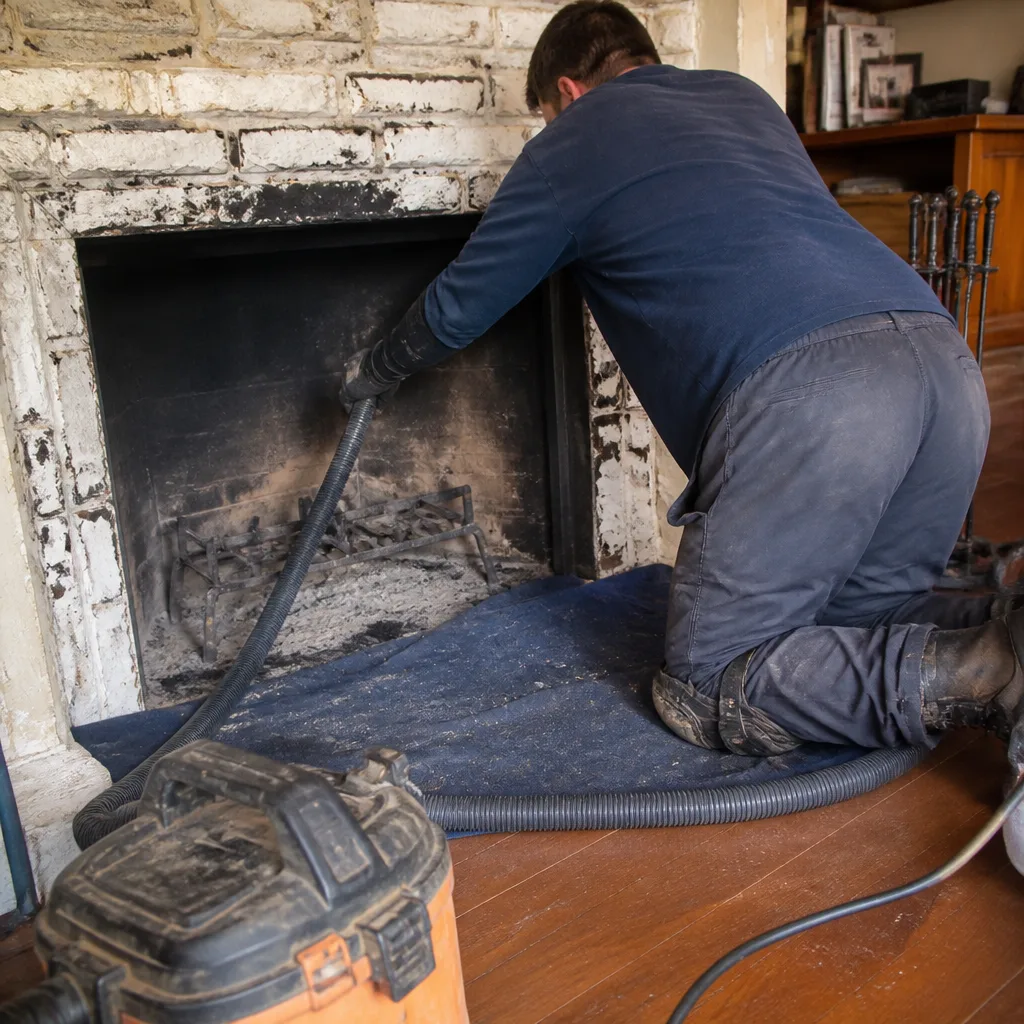 Before
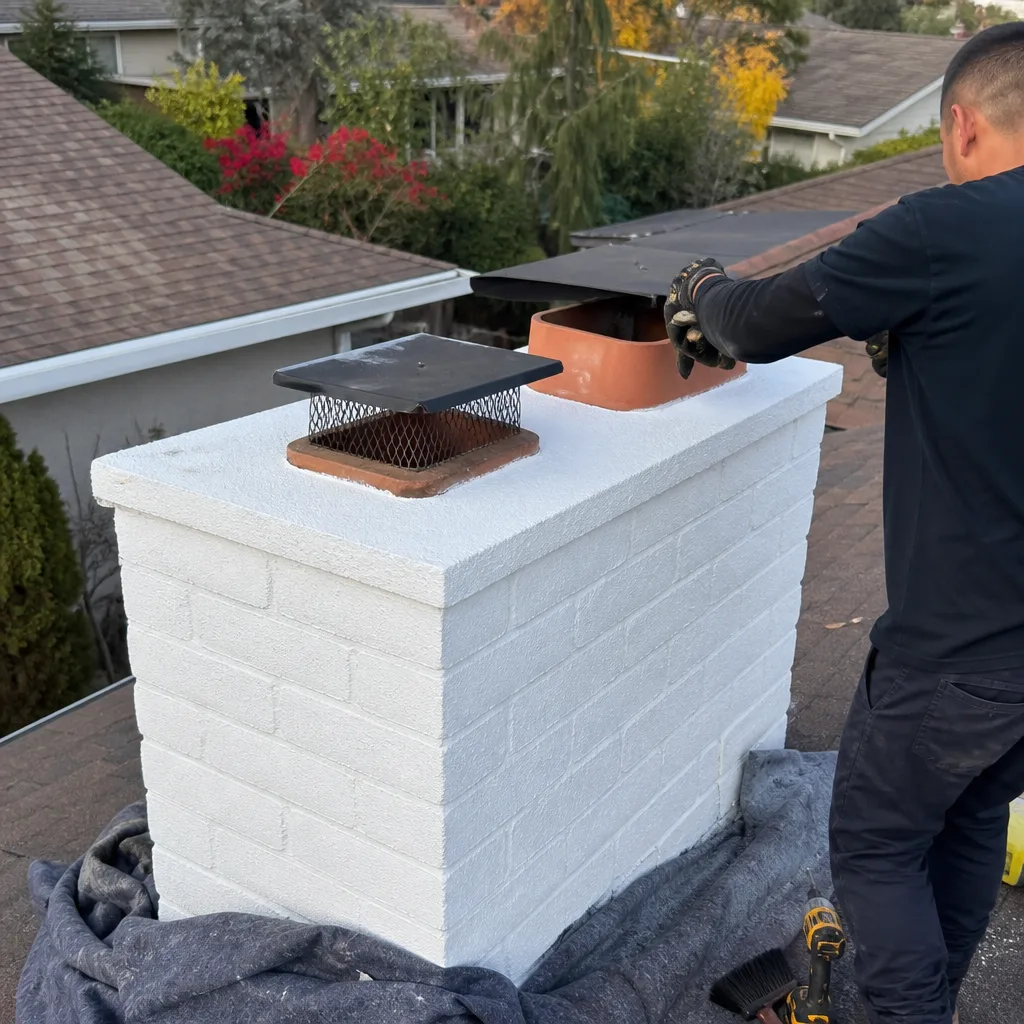 After
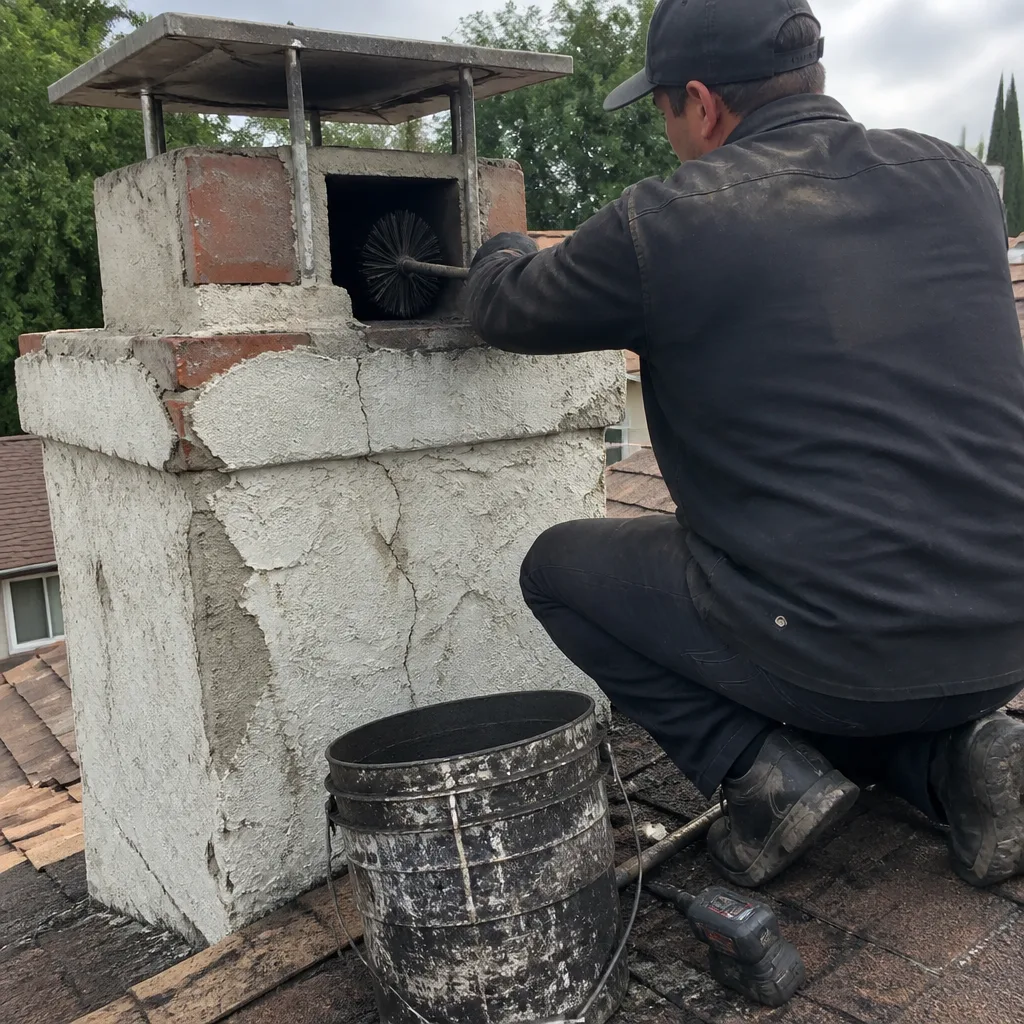 Before
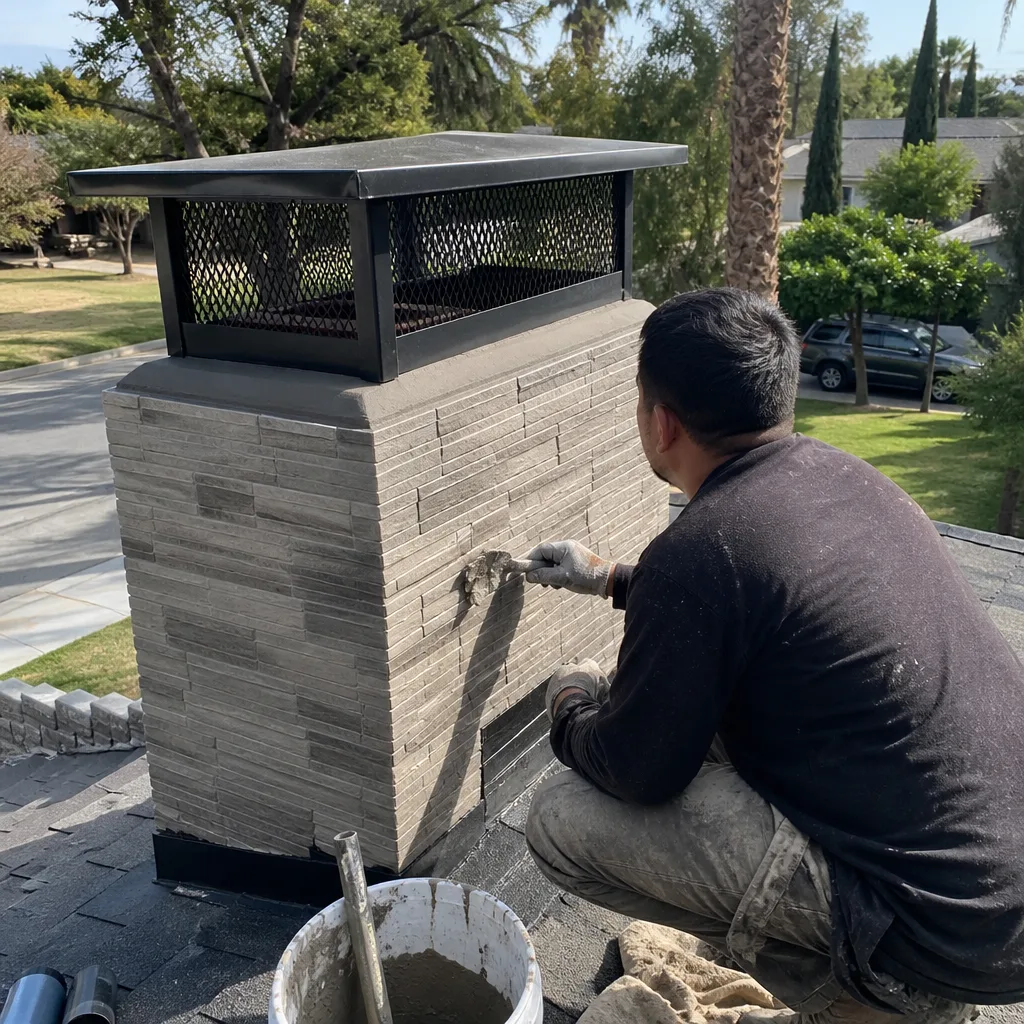 After
When to Call a Professional
Call a professional chimney sweep when you’ve had a chimney fire, no matter how small. Call if you smell smoke or see discoloration in rooms near the chimney while the fireplace is burning. Call if you see cracks, spalling brick, or rust stains on the exterior masonry. Call if wildlife has nested in the chimney, or if the cap is damaged or missing. Call if you haven’t had a professional inspection in more than one burning season – especially in an older Winnetka home. And call if you’re buying a home with a fireplace and the seller can’t produce documentation of chimney maintenance. Chimney Sweep Winnetka offers free estimates in Winnetka – call (877) 939-1446.
Frequently Asked Questions
A standard chimney sweep with a Level 1 inspection typically runs between $150 and $300 in Winnetka, depending on flue condition, roof access, and whether additional services like video inspection are included. The price reflects the equipment and the inspection documentation. Chimney Sweep Winnetka provides free estimates – call Chimney Sweep Winnetka home at (877) 939-1446 to get a specific number for your fireplace.
The NFPA recommends annual inspection and cleaning as needed. In Winnetka, where fireplaces see regular winter use and many chimneys are older, annual professional cleaning is the practical standard. If you burn frequently, burn wood that isn’t perfectly seasoned, or have an older chimney, once a year is the floor, not the ceiling.
Creosote logs help soften Stage 1 creosote and can make a professional cleaning more effective, but they do not remove creosote on their own. They are a supplement, not a substitute. A chimney treated with creosote logs but never swept still carries a fuel load.
The brushing itself is not the main risk. The main risks are roof falls, hidden structural damage you can’t see, and creosote that remains bonded to the flue after you finish. For firebox cleaning and visual inspection, DIY is fine. For anything inside the flue, a professional with proper training and equipment is the safer route.
A dirty chimney carries two risks: chimney fire, which can spread to the roof and structure of the home, and carbon monoxide backdraft, which is odorless and potentially fatal. Both are entirely preventable with regular inspection and cleaning. The financial difference between a sweep and a chimney fire repair is measured in tens of thousands of dollars.
Usually yes, but the insurer will ask for documentation that the chimney was professionally maintained. A professional sweep receipt and inspection report makes that conversation straightforward. A DIY history makes it harder. This documentation gap is one of the core arguments for professional cleaning.
We handle both. Chimneys and dryer vents are both venting systems that accumulate combustible material – creosote in one, lint in the other. Several professional trade brands in our toolkit, including Famco and Copperfield termination products, apply to proper venting across both systems. Our Chimney Sweep in Winnetka service and dryer vent service can often be coordinated into a single visit.
The Bottom Line
The DIY-versus-professional chimney cleaning decision in Winnetka comes down to this: you can clean the firebox, remove ash, and look at the outside of your chimney with basic tools and good habits. What you cannot do is remove Stage 2 or Stage 3 creosote, evaluate the inside of an older flue for seismic damage, document your chimney’s condition for insurance, or spot wildlife problems before they become hazards. The honest cost difference is roughly $100 to $250, and the protective difference is substantial. Do the surface work yourself. Let a professional handle the flue, the inspection, and the paperwork. For most Winnetka homeowners, that’s the right division of labor.
Written by the team at Chimney Sweep Winnetka, serving Winnetka since 2014.